
University of Bristol climbs 12 places in the Guardian University Guide
The University of Bristol has been named as 11th best university in the country in The Guardian’s annual university guide – a rise of 12 places.

The University of Bristol has been named as 11th best university in the country in The Guardian’s annual university guide – a rise of 12 places.

One in four people acquired their puppies before the advised age of eight weeks old, according to new findings from Dogs Trust's pioneering dog welfare study 'Generation Pup'.

Sex and relationship education (SRE) is in need of an overhaul, according to research by the University of Bristol.
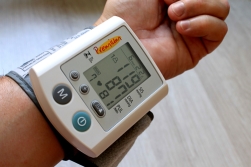
Three major new studies, published today in Nature Genetics, provide novel insights into the genetic basis of hypertension and blood pressure, with the contribution of the MRC Integrative Epidemiology Unit at the University of Bristol.

A consortium of nine academics from the University of Bristol has been awarded £1.5 million to carry out research on antibiotic resistance (AMR) in animals and the risks it poses to humans.
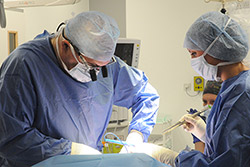
A new national centre, unique in the UK and Europe, that will take research out of the laboratory and closer to the bedside to ensure more patients worldwide can access ground-breaking treatments as quickly as possible will be officially opened today [Thursday 9 June].
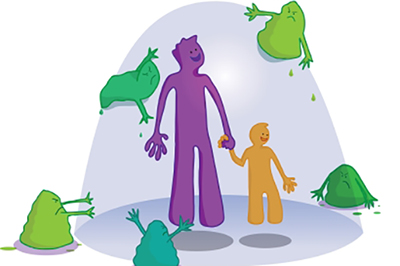
With Covid-19 infections still high and people preparing for Christmas gatherings, it is vitally important to try to reduce the spread of infection in people's homes as this is where infections are now most likely to be transmitted. Research suggests people who follow the advice from Germ Defence are less likely to catch flu or other viruses and less likely to pass it on to members of their household.

Over 700 children and young people are to take part in the largest clinical trial ever undertaken in Chronic Fatigue Syndrome (CFS), which affects up to two per cent of young people, most of whom do not have access to treatment.

Major reallocation of healthcare services during the COVID-19 pandemic meant that elective surgery in children with congenital heart disease (CHD) was significantly reduced, so that those needing urgent, lifesaving and emergency surgery could be treated. However, this prioritisation of the most severely ill children did not increase overall post-operative complications rates or death, a study led by the University of Bristol has shown.

The number of young people with anxiety doubled from 13 per cent to 24 per cent, during the early stages of the COVID-19 pandemic and lockdown 1, according to new research from the University of Bristol. The study, using Bristol’s Children of the 90s questionnaire data, showed that young people (27-29 years) reported higher levels of anxiety during the early phases of the pandemic in the first national lockdown and this was higher than their parents.