
Bristol embarks on a new partnership with India’s Krea University
The University of Bristol has formalised an agreement to collaborate with Krea University in India, focusing on the fields of sciences and humanities.

The University of Bristol has formalised an agreement to collaborate with Krea University in India, focusing on the fields of sciences and humanities.

Pterodactyls and related winged reptiles that lived alongside the dinosaurs steadily improved their ability to fly, becoming the deadly masters of the sky, over the course of millions of years.
Experiencing life on Mars could be more than just a fantastical notion, thanks to a new collaboration that has seen artists come together with scientists, architects and engineers to create a full-scale house for the future, in Bristol.

A new Hub for nuclear energy that will become a leading centre in the South West for academic research, education and innovation will be officially opened at the University of Bristol today, Monday 12 September.
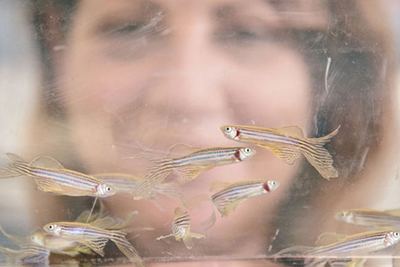
A world-leading £1.5 million research programme that aims to achieve scar free healing within a generation has been launched today [26 November] by The Scar Free Foundation, the only medical research charity which focuses solely on scarring. The five-year research study led by the University of Bristol will identify the gene(s) that causes scarring and inform future treatments.
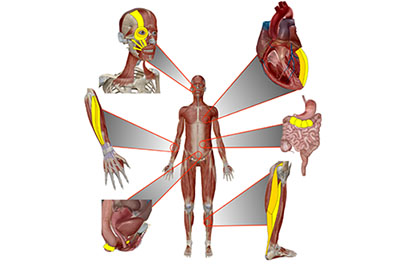
Loss of strength and muscle wastage is currently an unavoidable part of getting older and has a significant impact on health and quality of life.

The University of Bristol is one of four international institutions selected to form a partnership within the new National Science Foundation (NSF) project, Fabric Across Borders (FAB).
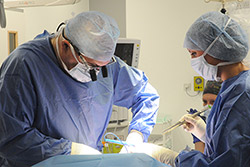
A new national centre, unique in the UK and Europe, that will take research out of the laboratory and closer to the bedside to ensure more patients worldwide can access ground-breaking treatments as quickly as possible will be officially opened today [Thursday 9 June].
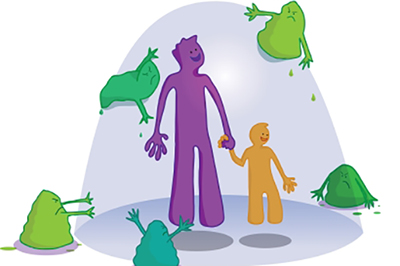
With Covid-19 infections still high and people preparing for Christmas gatherings, it is vitally important to try to reduce the spread of infection in people's homes as this is where infections are now most likely to be transmitted. Research suggests people who follow the advice from Germ Defence are less likely to catch flu or other viruses and less likely to pass it on to members of their household.

Major reallocation of healthcare services during the COVID-19 pandemic meant that elective surgery in children with congenital heart disease (CHD) was significantly reduced, so that those needing urgent, lifesaving and emergency surgery could be treated. However, this prioritisation of the most severely ill children did not increase overall post-operative complications rates or death, a study led by the University of Bristol has shown.