International

Results of the largest ever multimorbidity trial in primary care challenge current thinking

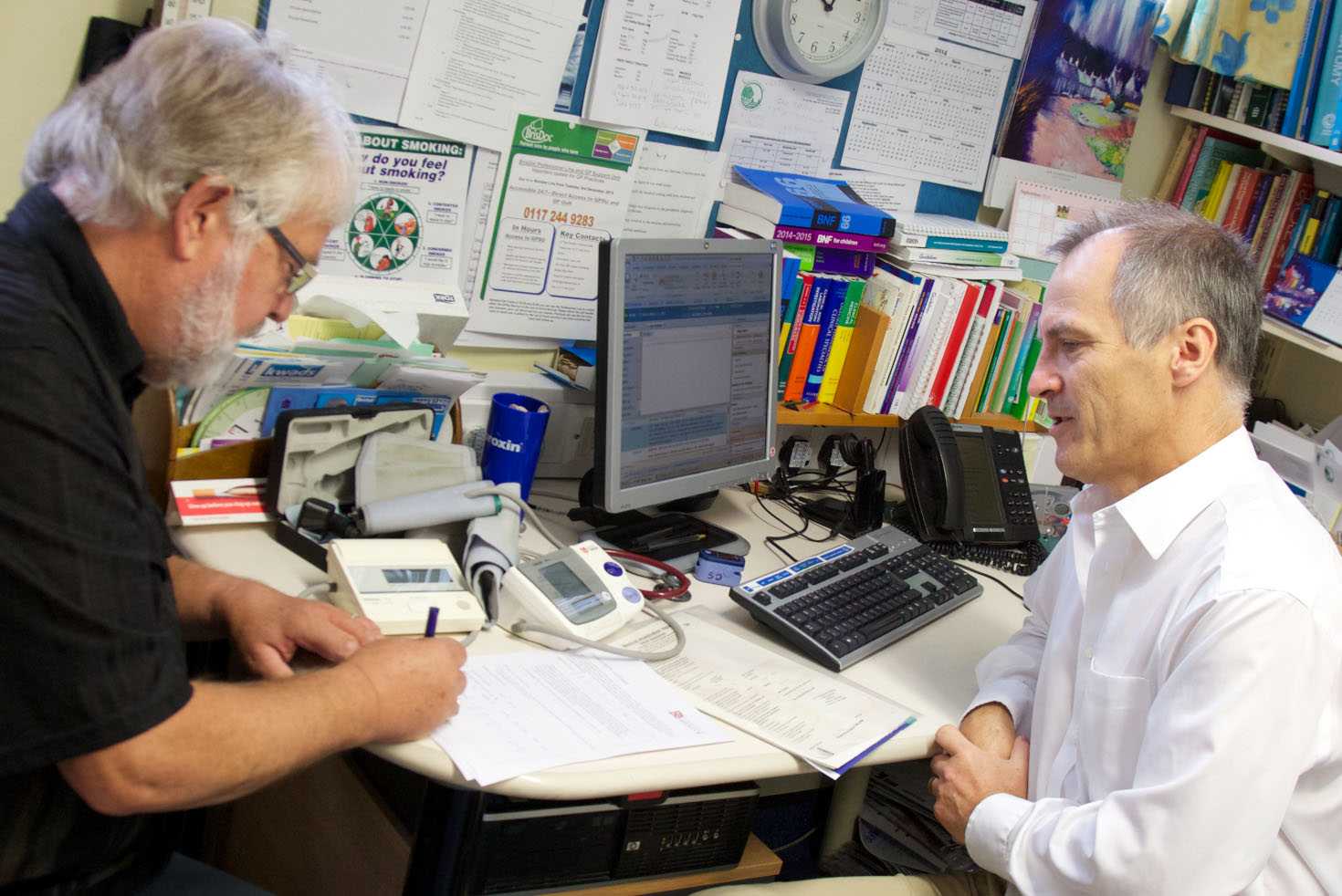
In the largest ever trial of an intervention to treat people with multiple long-term conditions (multimorbidity) in primary care, researchers at the Universities of Bristol, Manchester, Dundee and Glasgow found that the patient-centred approach taken improved patients’ experience of their care but did not improve their health-related quality of life. This is a challenge to current thinking on which UK and international guidelines are based.

Novel host cell pathway hijacked during COVID-19 infection uncovered by Bristol researchers

An international team of scientists, led by the University of Bristol, has been investigating how the SARS-CoV-2 virus, the coronavirus responsible for the COVID-19 pandemic, manipulates host proteins to penetrate into human cells. After identifying Neuropilin-1 (NRP1) as a host factor for SARS-CoV-2 infection, new findings published in the journal of the Proceedings of the National Academy of Sciences (PNAS) today [14 June] describe how the coronavirus subverts a host cell pathway in order to infect human cells.


Patients undergoing hip replacement may be at lower risk of infection with better optimisation before surgery and certain types of operation

Researchers from the Musculoskeletal Research Unit at the University of Bristol have identified the most important risk factors for developing severe infection after hip replacement. Patients who are under 60 years of age, males, those with chronic pulmonary disease, diabetes and a higher body mass index are at increased risk of having the joint replacement redone (known as revision) due to infection. The research also showed that some patients are at risk of early infection whilst others are more prone to late infection after hip replacement.