Bristol Population Health Science Institute

One year on: South West researchers and businesses in the battle against COVID-19

Over the past year, up and down the UK, thousands of research and innovation projects have been publicly funded to tackle the pandemic. Researchers at the universities of Bristol, Bath and Exeter, and businesses in the South West are playing a key role in how the UK is combatting COVID-19. Their work forms part of a £550 million COVID-19 rapid investment programme by UK Research and Innovation (UKRI) - the largest public funder of research and development in the UK.

Patient reporting of possible cancer symptoms to GPs fell during first wave of pandemic

The number of patients aged over 50 reporting possible cancer symptoms to their GPs fell during the first wave of the COVID-19 pandemic, a study at the University of Bristol published in BMJ Open today [25 May] has found. The reduction in reporting was most pronounced for common symptoms, which rarely indicate cancer. It was also significant for 'alarm' symptoms, which are more likely to indicate cancer in older age groups, though most of the time they don’t.

Scientific evidence that informed UK Government’s response to COVID-19

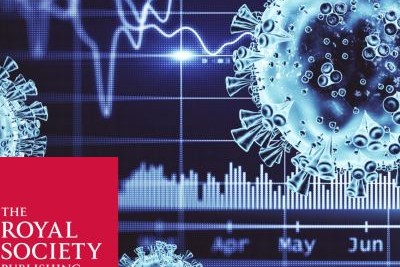
Scientific evidence that was used to inform the UK government’s key policies impacting millions of people during the first wave of COVID-19 including the rule of six and the first national stay-at-home order is published today [31 May] in the journal of the Royal Society. The Special Theme issue is compiled and guest edited by SPI-M scientists including infectious disease modellers Drs Ellen Brooks Pollock and Leon Danon at the University of Bristol.

New trial to assess whether rapid tests reduce antibiotic prescribing for respiratory infections in primary care

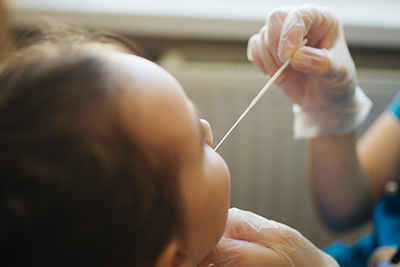
A new randomised controlled clinical trial, led by the University of Bristol, will investigate whether rapid microbiological 'point-of-care' tests for respiratory infections could reduce antibiotic prescribing in primary care, thanks to funding of £1.6 million by the National Institute for Health and Care Research (NIHR). The tests, which are carried out in GP surgeries rather than sent to a laboratory, detect the presence of viruses and some bacteria, with results available on the same day.