
2026 Events
Previous Events
Building Stronger Clinical Academic Fellowships: Insights from our CAT School 15th April 2026
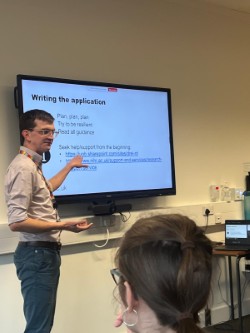
A consistent message from both speakers was the importance of early and sustained planning. Strong applications are rarely produced quickly. Instead, they evolve over months of drafting, feedback and revision. A realistic timeline may often span up to a year and usually includes:
· Iterative drafts of the proposal
· Budget development & justification: seek help early & note all costs in real time
· Engagement with supervisors and collaborators
· Institutional approvals and support
· Early and sustained patient and public involvement
Equally important is familiarity with available support systems. Research and Development teams, Bristol resources and the national NIHR research support service can provide invaluable input, including access to previously successful applications, draft reviews, and mock interview preparation.
Core Elements of a Strong Fellowship
Speakers emphasised that successful NIHR fellowship applications are built around three interconnected components: Person, place and project.
· Person: The central focus. Applicants must demonstrate potential as future leaders, clearly identifying their current skill gaps and how the fellowship training will address them.
· Project: While important, the project serves as a vehicle for development. It should address a meaningful clinical question with clear potential for impact, even if the specifics evolve over time.
· Place: Bristol is recognised as providing the environment that supports growth, offers strong supervision, collaborative opportunities and a track record of developing clinical academics.
Cross-cutting these elements are three critical pillars: Patient and Public Involvement and Engagement (PPIE), Equality, Diversity and Inclusion (EDI) and Research Impact. These are not peripheral considerations but core components of modern fellowship applications, with lay reviewers playing a significant role in these assessments.
Budgeting and Practicalities
Budgeting was highlighted as a frequently underestimated aspect of the application process. Early engagement with finance teams is essential, particularly given the complexity of costing systems such as Worktribe. Applicants are expected to take ownership of this process, developing both competence and confidence in financial planning.
Importantly, funders such as NIHR recognise that projects evolve. Open communication and justified adjustments are expected and usually supported.
Communicating Your Research: The Plain Language Summary
A standout session focused on the Plain Language Summary (PLS), a critical component reviewed by lay panel members. An effective PLS requires clarity, brevity and accessibility.
Key principles include:
· Clearly defining the problem and its scale
· Explaining the research gap and aims
· Avoiding jargon and acronyms
· Demonstrating relevance to patients and the public
· Highlighting PPIE and dissemination plans
Attendees were advised to dedicate significant time to refining this section, often returning to it repeatedly and finalising it later in the process once the project is fully developed.
The Interview: Making the Case
The fellowship interview was described as a decisive moment and an opportunity to bring the application to life, especially the initial 5-minute presentation which when grounded around the Plain Language Summary, can make a substantial difference.
Barny’s example illustrated this effectively. By opening with a personal patient story and connecting it to broader health system challenges including variation in care and rising end-of-life cost, he was able to frame his research in a compelling and human-centred way. Clear articulation of methods, impact and personal development goals further strengthened the narrative.
Preparation is critical. Mock interviews, presentation training and early feedback from trusted colleagues were all strongly recommended. Applicants should also be prepared to demonstrate adaptability, acknowledging how their ideas may have evolved since submission.
The key takeaways included clear, practical messages for aspiring applicants:
· Plan early and thoroughly
· Engage widely and seek feedback
· Read and follow funder guidance carefully
· Prioritise clarity in communication, especially for lay audiences
· Use available institutional and national support
· Prepare rigorously for interview through practice and reflection
Above all, the process of applying for a fellowship is itself developmental. It challenges applicants to clarify their ambitions, refine their ideas and articulate their potential. As this CAT School event demonstrated, sharing experiences and learning collectively can make that journey more navigable and ultimately successful.
A Legacy of Mentorship and Impact in Clinical Academia
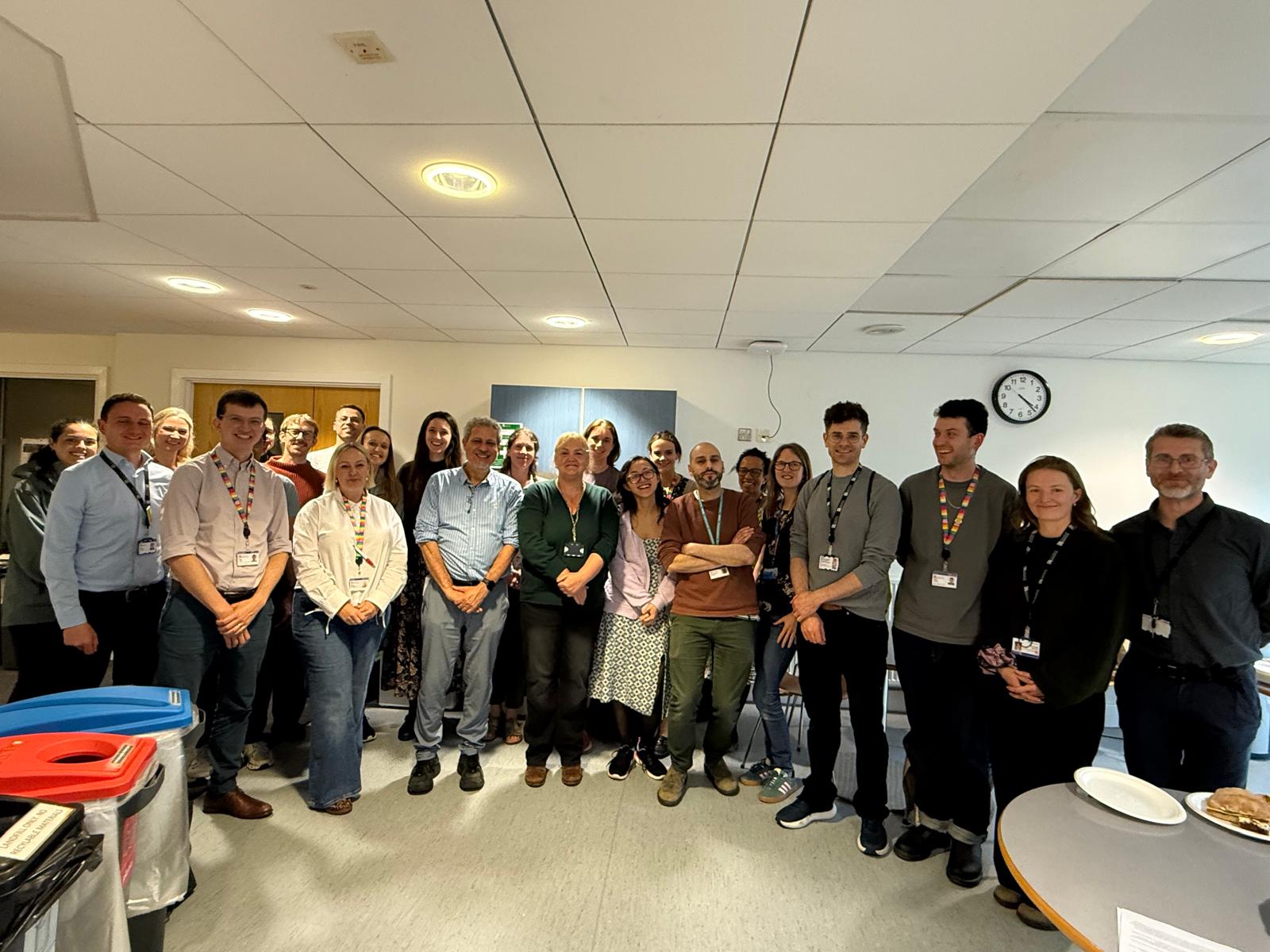
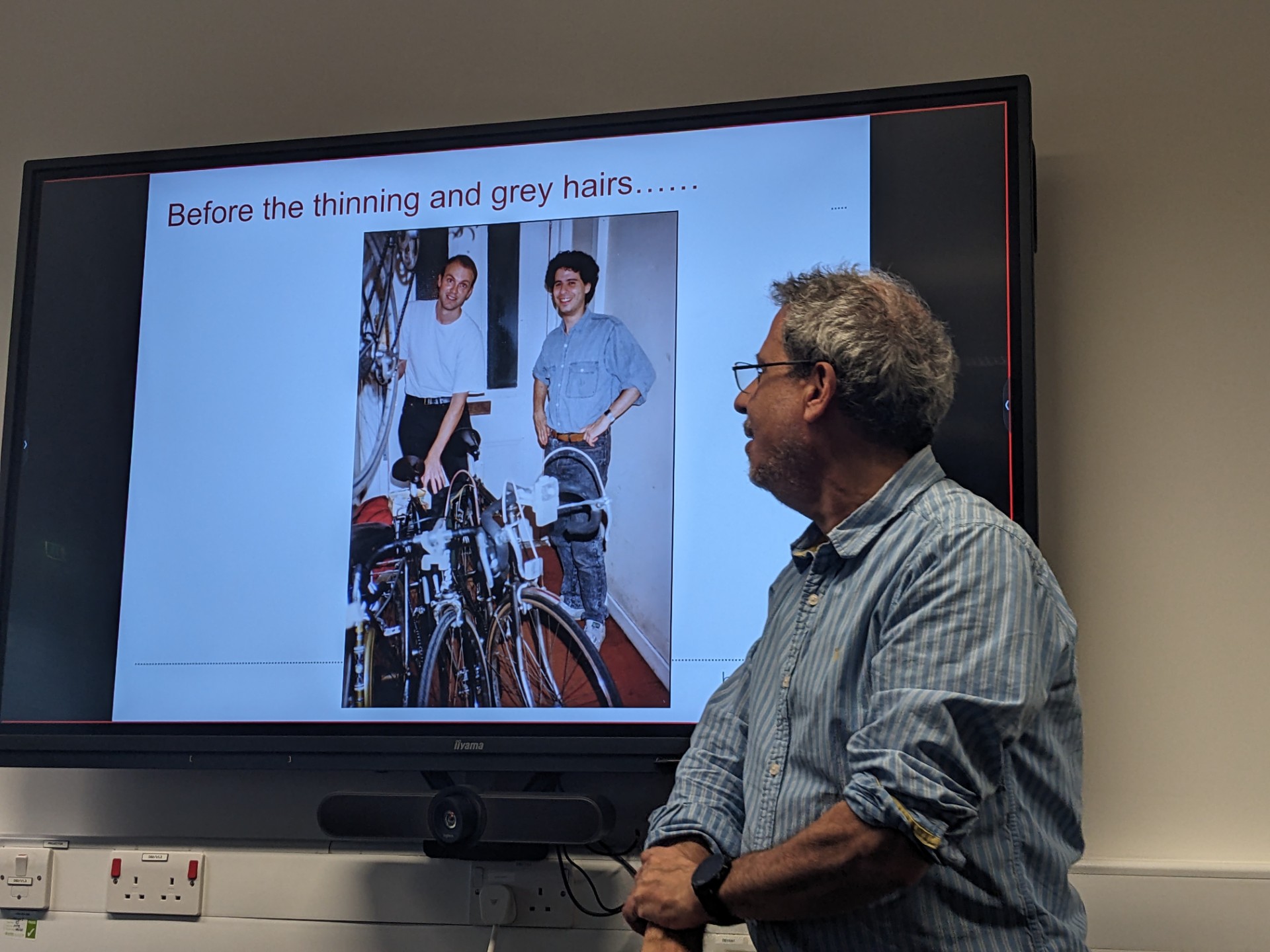
Events that bring together clinical academics at doctoral and postdoctoral fellowship stages often serve as moments of reflection. They provide spaces where emerging scholars not only share research and ideas, but also recognise the individuals whose leadership has shaped the very pathways they now walk. The Spring CAT school event served as a fitting celebration of Yoav’s outstanding 35 year contribution to academic medicine with the room packed with our amazing clinical academic trainees.
During the gathering following outstanding presentations, attention turned to celebrating a distinguished career defined not simply by professional achievement, but by enduring influence on people, programmes and the wider academic community.
Central to this legacy is an exceptional commitment to nurturing others. Many clinical academics have spoken of the guidance, encouragement and belief they received at pivotal moments in their careers. There is a particular skill in recognising potential, when it is not yet fully formed and fostering it with care and intention. This ability has had a ripple effect, shaping careers that, in turn, impact patient care and the future direction of clinical research. One of Yoav’s greatest delights is to see how some of his past ACFs have been awarded PhD funding, then moved onto an ACL post, then a post-doctoral fellowship and finally succeeded in obtaining a tenured University post and becoming internationally renowned in their area of expertise.
Equally important has been a leadership style grounded in wisdom, integrity, and thoughtful engagement. This has translated into environments where curiosity is encouraged, challenges are shared, and successes are collectively valued. Such cultures do not emerge by accident; they are cultivated through consistent example and a deep commitment to collaboration and valuing everyone’s inputs.
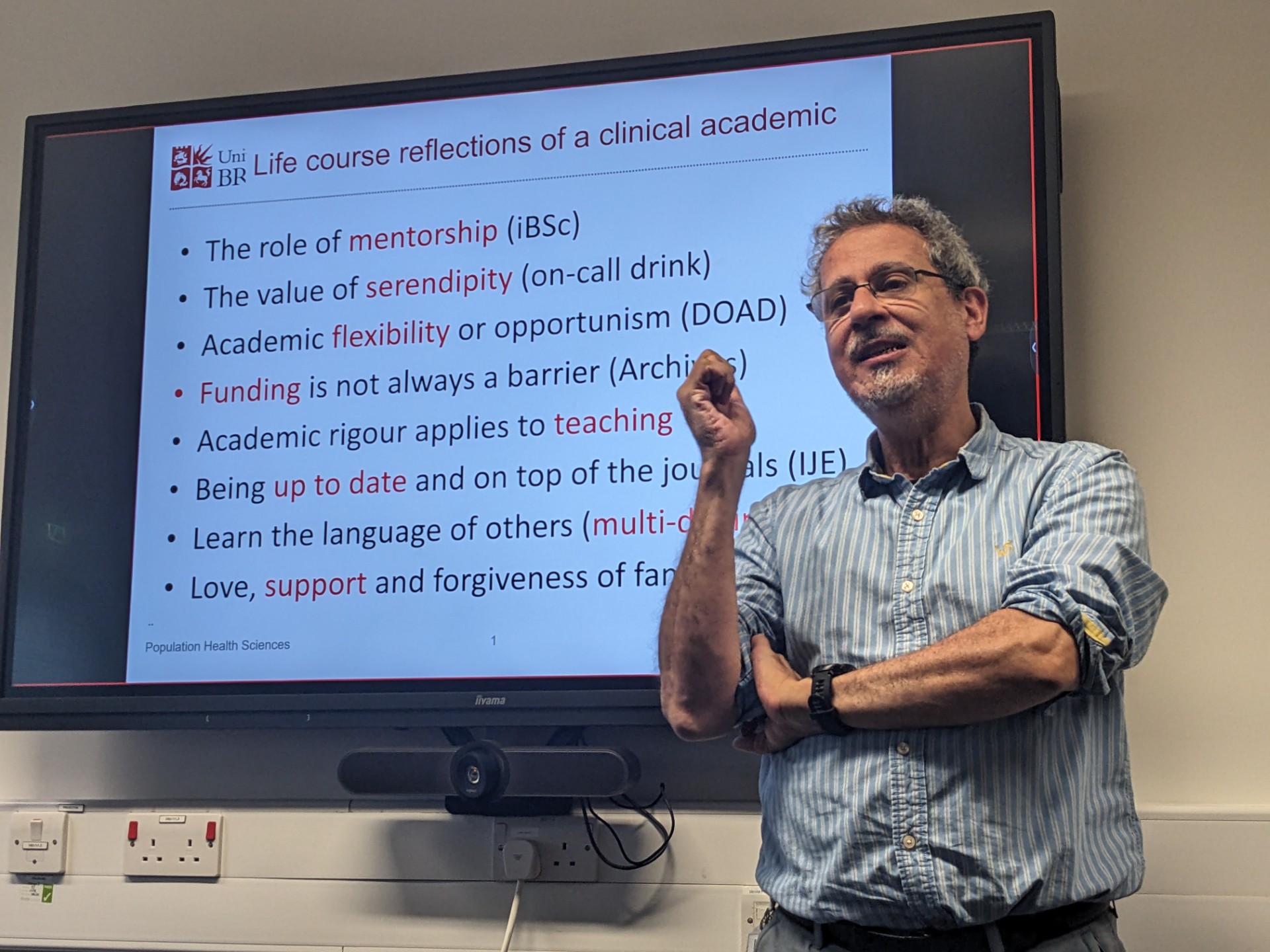
Yoav highlighted several key points that he believes are essential for a successful academic career. (i) the critical role of mentorship, (ii) the value of serendipity, (iii) the need for academic flexibility or opportunism which may take you down an academic pathway you had never considered (iv) the need to work around the barrier of limited research funding, where innovative approaches may allow one to test hypotheses even without grants (v) the need to apply academic rigour equally to teaching as well as research (vi) the never ending task of trying to keep up-to-date in your field (vii) the necessity to learn the language of others so that true multi-disciplinary research is possible and finally (viii) the love, support and forgiveness of family, friends and peers.
As his career transitions into retirement, it marks not an endpoint but a transformation. The closing sentiments shared at the event captured this enduring impact with clarity and warmth: gratitude for wisdom shared, for partnerships formed, and for the countless contributions made to advancing research and opportunity. Retirement, in this context, is not an end in itself but a moment to recognise a profound and lasting legacy as well as the time to follow his other passions, outside of academia.
Working Well Together: Creating and Celebrating Positive Research Environments
On 21 January 2026, the CAT School held another networking event at Canynge Hall on Working Well Together (WWT), focusing on research culture and collaboration. We were pleased to welcome Eleanor Walsh and Claudia Gumm, both of whom have extensive experience supporting research teams and groups.
Why research culture matters
The session emphasised the importance of how research is carried out, not just what is produced. Research culture is increasingly recognised as central to building effective teams, supporting development, and staff wellbeing. Building and promoting positive research cultures are therefore essential to sustainable academic careers.
Working well together in practice
Research is rarely undertaken alone, and all members of a team influence its culture, whether intentionally or not. WWT emphasises that many roles are involved in enabling research, from researchers to technicians and administrative support, all of whom contribute to research culture. WWT highlights leadership as a shared and social activity, not something confined to formal roles. Rather than focusing on individual training, the approach supports collective responsibility for creating and maintaining positive ways of working within our research and wider contexts.
Participants in WWT reflect on shared purpose, everyday behaviours, and decide collectively how feedback is given and received. Practical activities encourage teams to recognise what they already do well, while identifying areas for development. The WWT resources provide structured opportunities for focused conversations that may not otherwise take place.
Principles and tools
WWT is based on groups defining their own goals and agreeing what effective working looks like for them. The approach encourages reflection, action led by the group itself, and involvement from all roles and career stages. Tools such as the WWT Gauge help teams to capture shared perspectives and support discussion about team climate.
A short creative exercise, at the event, explored the “shape” of our teams, prompting reflection on inclusion, distance, and connection within research groups. Despite the limited time available, participants reported gaining useful insights into how their teams’ function and their place within them.
Looking ahead
The session concluded with suggestions for using WWT with research teams, including running the gauge at the beginning and end of a process, embedding activities within existing meetings, or holding dedicated sessions. Evidence from pilot work suggests that creating a space for discussing research culture is highly valuable to teams.
Overall, the event demonstrated how Working Well Together provides both language and structure for conversations and the value of taking time to reflect collectively on how we work together. The potential of WWT to support positive, inclusive, and sustainable research environments going forward in creating space for shared understanding, action, and celebration. Further resources are available at workingwelltogether.co.uk.