
News in 2026
What's on at Children of the 90s?
 (1).png)
Early life disadvantage linked to decreased preventative dental visits into adulthood
People who experienced early socioeconomic disadvantage (SED) were 12-16% less likely to go for preventative dental visits during both adolescence and adulthood, a new University of Bristol study has found. The findings, published in BMC Oral Health, analysed data from over 1,600 participants.
Social connections and health are key to meaning in life and mental health in emerging adults, says new research
From a new study of over 3,300 young adults, those with greater connectivity to others (including emotional and practical support) had a feeling of greater presence of meaning in life.
 (1).png)
Exclusive breastfeeding linked to long-term changes in marks on DNA, found in blood
Babies who are exclusively breastfed for at least three months carry markers in their blood that differ from babies who are not breastfed.
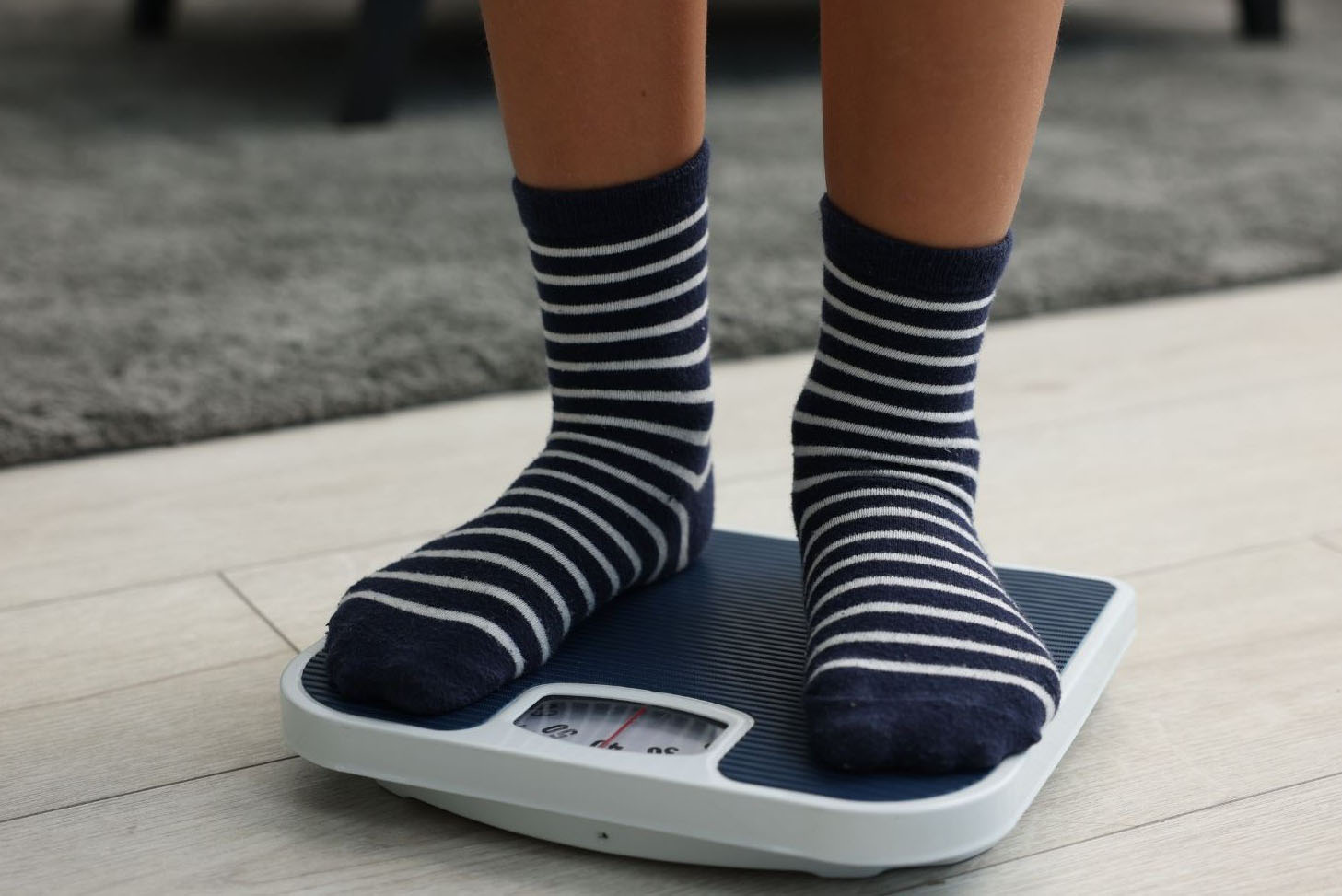
A risk factor for liver disease: your parent’s body weight
Study shows risk for common liver disorder starts much earlier in life than thought

Childhood BMI changes genetically linked to adulthood diabetes and heart disease
A new study has modelled how genes can influence a child’s body mass index (BMI) over time and how they may contribute to the risk of developing diseases, such as heart disease or type 2 diabetes, later in life.
Indoor mould exposure in childhood linked to asthma and reduced lung function in childhood and adolescence
A new longitudinal study has linked mould exposure at 5 years of age to reduced lung function at ages 8 and 15, as well as asthma diagnoses at ages 15 and 24. These associations remain after adjusting for other influencing factors including height, sex, age, exposure to smoking and socioeconomic status.
Academic pressure linked to increased risk of depression in teens
Pressure to achieve at school at age 15 is linked to depressive symptoms and risk of self-harm, and the association appears to persist into adulthood, finds a study led by UCL researchers.

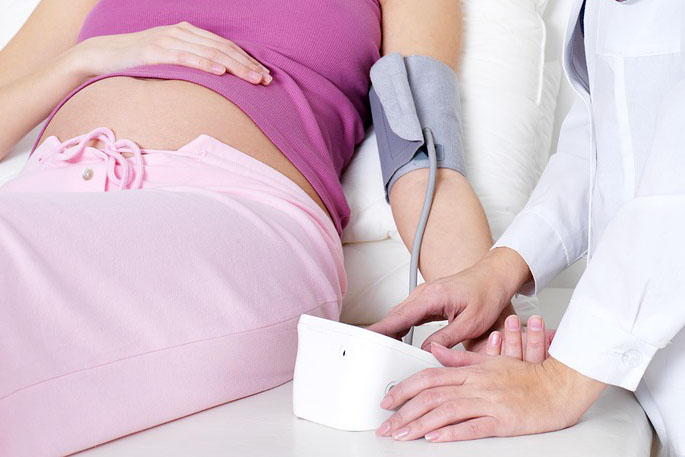
Higher maternal blood pressure increases the risk of pregnancy complications, study concludes
Helping women to keep their blood pressure at normal levels could reduce their risk of experiencing pregnancy complications, according to a new study led by researchers at the University of Bristol. The research is published in BMC Medicine today [14 January].