Forest futures: empowering Amazonian children to safeguard heritage and biodiversity
Tropical forests are major components of world’s carbon and water cycles but how their trees cope with drought stress?
We integrate expertise across multiple disciplines to provide the evidence base and solutions to tackle the world's most pressing environmental challenges.
We dissect the effects that humans are having on society and Earth's systems, revealing the rapidly changing character of the planet and its inhabitants.
Tropical forests are major components of world’s carbon and water cycles but how their trees cope with drought stress?
Could the toxic effects of air pollutants be increasing the risk of dementia?
How can we more efficiently track microplastics in the ocean?
How do we meet society’s infrastructure needs while protecting, recovering and enhancing our environment?
Rewilding has been championed as a solution to Britain’s biodiversity crisis, but finding land for this new form of conservation can generate conflicts with existing landowners and users.
Nitrous oxide is a potent greenhouse gas with 300 times the warming potential of carbon dioxide and agriculture is the largest anthropogenic source. Utilising the soil microbiome could hold the key to reducing emissions.
In India, scavenging vultures saw a greater than 95% decline in population due to a painkiller given to cattle, allowing deadly bacteria and infections to proliferate in humans. Understanding the risk in other parts of the world is essential to avoid another conservation catastrophe.
The carbon footprint of university research activity is substantial. Reducing the environmental impact of research would decrease carbon emissions and help the Higher Education sector meet its net-zero goals.
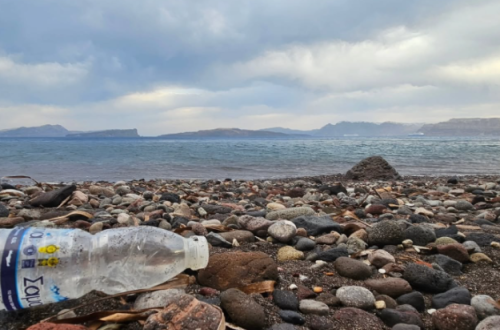
Plastic pollution is so widespread that microplastics are found in food chain of most ecosystems, but we are still in the early stages of uncovering the extent of the problem and the threat to marine ecosystems.
Food security in the 21st century will ultimately depend on our ability to mitigate the climate crisis. Agricultural fertilisers are a key component of food security but have negative impacts on our climate and ecology.
Do we need to reframe our relationship with nature to solve our biggest global crises?
When storm surges and climate change threaten one of the world’s most outstanding gardens, how do you plan its future?
Sea-level rise and more frequent and intense storms are impacting coastal communities, with coastal flooding, erosion and damage to infrastructure. Novel breakwater designs have the potential to increase the resilience of UK coastlines to these climate change related events.
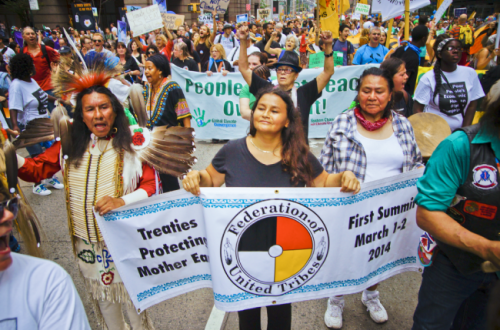
Bringing together scientists, Indigenous leaderships and decision-makers to identify and prioritise the most pressing questions for biodiversity conservation in Amazonia, through knowledge co-production.
Humans aren’t built for darkness, so we still know very little about the senses of creatures that inhabit dark spaces.
How do you facilitate a just transition if city-level environmental policymaking is inherently unjust?
Bringing together researchers from multiple disciplines to find out the effects of rising heat stress on women’s health.
Modelling the relationship between meteorology and disease to help healthcare systems prepare for the impacts of climate change
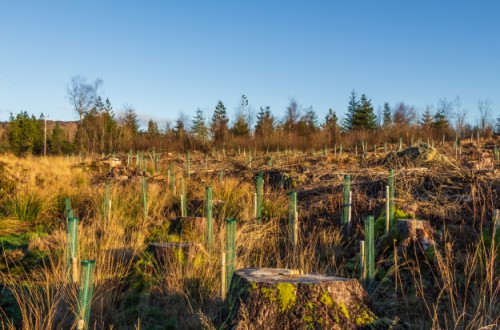
Developing practical models for reforestation that respect the knowledge, livelihoods and rights of forest-based communities
How can we secure food production in the face of a changing environment which increases the range of ticks?
Understanding the effects of anthropogenic change on the function of bee sensory systems and the impact that these changes may have on both pollination biology and population dynamics.
Toilets. Everyone should have access to one. Understanding how emissions from sanitation and resilience of services can be improved will help achieve universal access.
Empowering students as agents of change.
Implementing a low-cost environmental and aerosol monitoring provision inside the Chernobyl Exclusion Zone for seasonal and wild-fire event monitoring and risk management.
Engaging young people in climate change research and empowering them to take positive climate action.
The conservation of tropical rainforests is one of the most cost-effective solutions to slow down climate change.
Exploring the opportunities and risks of aerial monitoring for biodiversity conservation.
Ensuring a just transition to a carbon neutral and climate resilient city in Bristol.
Musical and technological innovation towards a new sustainability
Climate change is making universal access to water, sanitation and hygiene services tougher to deliver. We must be ready to adapt.
Projections show our climate will warm above agreed levels. How dangerous might this extra heat be to public health?
Recent disastrous hurricane activity in the Caribbean highlights the urgent need to prepare appropriately for extreme changes in climate.
The East Asian monsoon fuels energy, industry and agriculture for over 1.5 billion people. How will it cope with rising CO2?
Hurricanes can savage small island states: the Caribbean has been battered by 264 of them since 1960. Will our changing climate alter their frequency or intensity?
Concentrations of methane in our atmosphere are rising faster than predicted. Why?
Working together to discover the links between pollinators, climate change and human health in Nepal.
How can we better understand how manmade pollutants are affecting the electrical environment and thus affecting nature and human health?
What will be the role of the aviation sector in a 'green recovery' and how has the pandemic changed this?
As climate changes, the world’s driest regions will be hit hardest. Already in a delicate balance with limited rainfall and high temperatures, dryland environments and the societies within them, are now facing immense challenges of adapting to environmental change.
More than half of the world’s species are nocturnal by habit so how do we enhance our knowledge of these night time worlds and how they may be affected by climate change?
We need to rethink nature and the non-human world in response to our climate and ecological emergency.
A theatre and research collaboration exploring the uses, abuses and future of copper mining in a globally changing environment.
As our ice sheets melt, the Earth's ability to regulate its own temperature diminishes, and sea levels rise. But it's not just ice in Antarctica and Greenland we need to focus on – how can we help the people who rely on mountain glaciers to prepare for a future with less water, and possibly less food as a result?
In 2015 the Paris Agreement stipulated that global warming must be limited to well below 2°C if we are to avoid dangerous climate change. Much of this depends on reducing manmade greenhouse gases.
This project is developing the University of Bristol’s capacity for interdisciplinary research on Earth’s cold places.
After a long history of bloody conflict, there’s understandable pressure to make Colombia’s damaged forests more economically productive. But with so little data on these environments, it’s hard to predict the potential impacts.
What can we understand about people who break the law to save the environment and what is 'appropriate' protest in this time of great environmental change?
How can we monitor endangered species in the wild over large distances when their populations are so small?
As we face an increasingly urban future, we need to protect and cultivate greater biodiversity in our cities for the sake of people and pollinators alike.
A rapidly warming climate means Himalayan Nepal’s vital natural reservoirs are vanishing fast.
Tropical forests are major components of world’s carbon and water cycles, yet we still know surprisingly little about how their trees cope with drought stress.
Humans are altering the natural nitrogen cycle which is affecting our planet and health, and contributing to climate change.
Fossil fuels, oil in particular, have entirely shaped our evolution since the industrial age. How can art and science combine to spark a dialogue around our relationship with oil?