Net zero and climate change
Discover a world-leading community of researchers confronting the climate crisis head on.

Why Bristol?
- 2nd
for earth systems and environmental sciences (REF 2021)
- 100%
green labs LEAF Green Lab Certification
- 12th
for sustainability QS World Sustainability Rankings (2025)
How oxygen can be made without photosynthesis
Oxygen is largely made by plants. Whether underwater or on land. However, a suggestion from deep sea rocks deepens the mystery of life, indicating oxygen may be produced without the need for life at depths where light cannot reach.
Nuclear energy and the lifetime safety of power stations
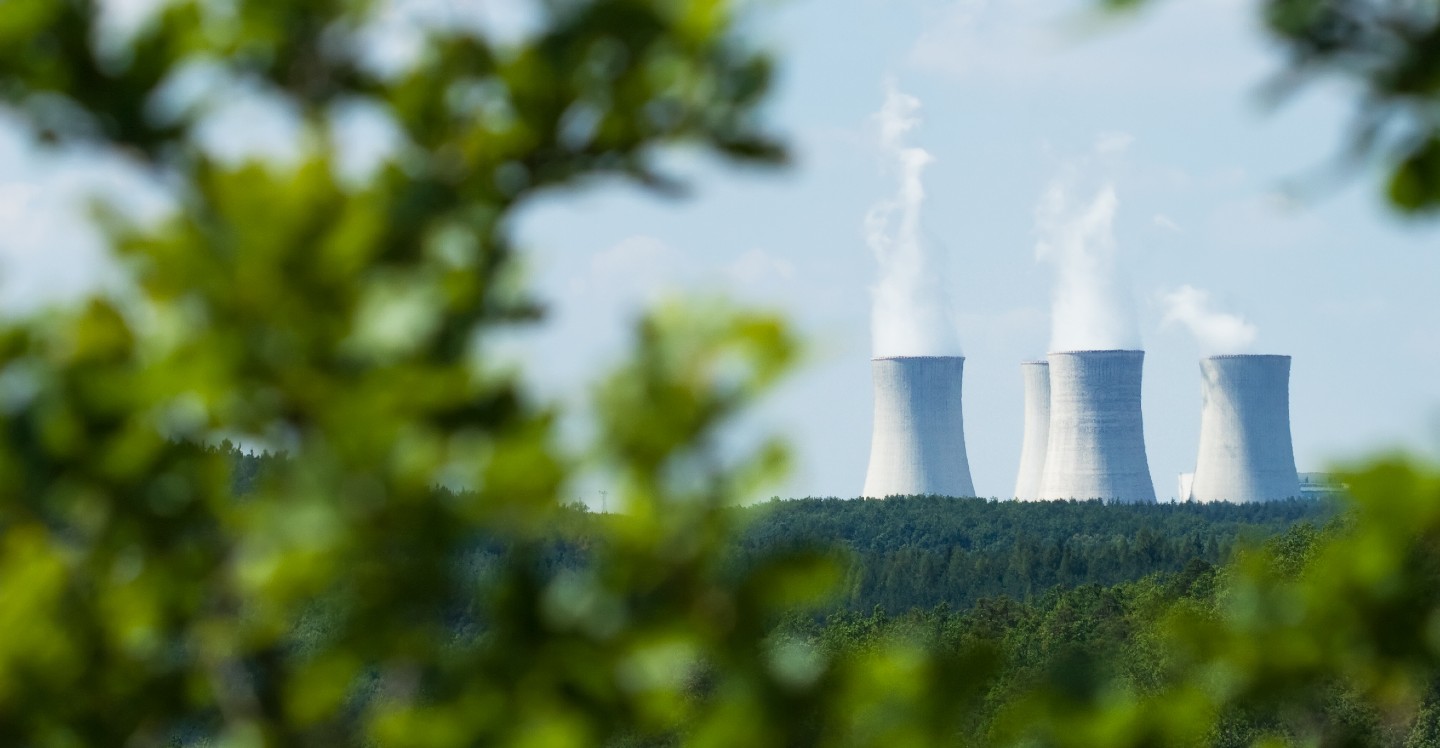
In the third of three short films about the world of nuclear energy production, researchers from the School of Physics discuss how material science help us to keep nuclear power stations operating safely for longer.
Climate research in action
BLOG: Five key issues at COP30 that should matter
As COP30 started in Brazil in November, key countries hadn't submitted new climate plans, and negotiations had been held up by disputes over who should pay for climate action. In this blog, academics from Bristol outline five key issues that matter.
NEWS: Groundbreaking connection to heat network
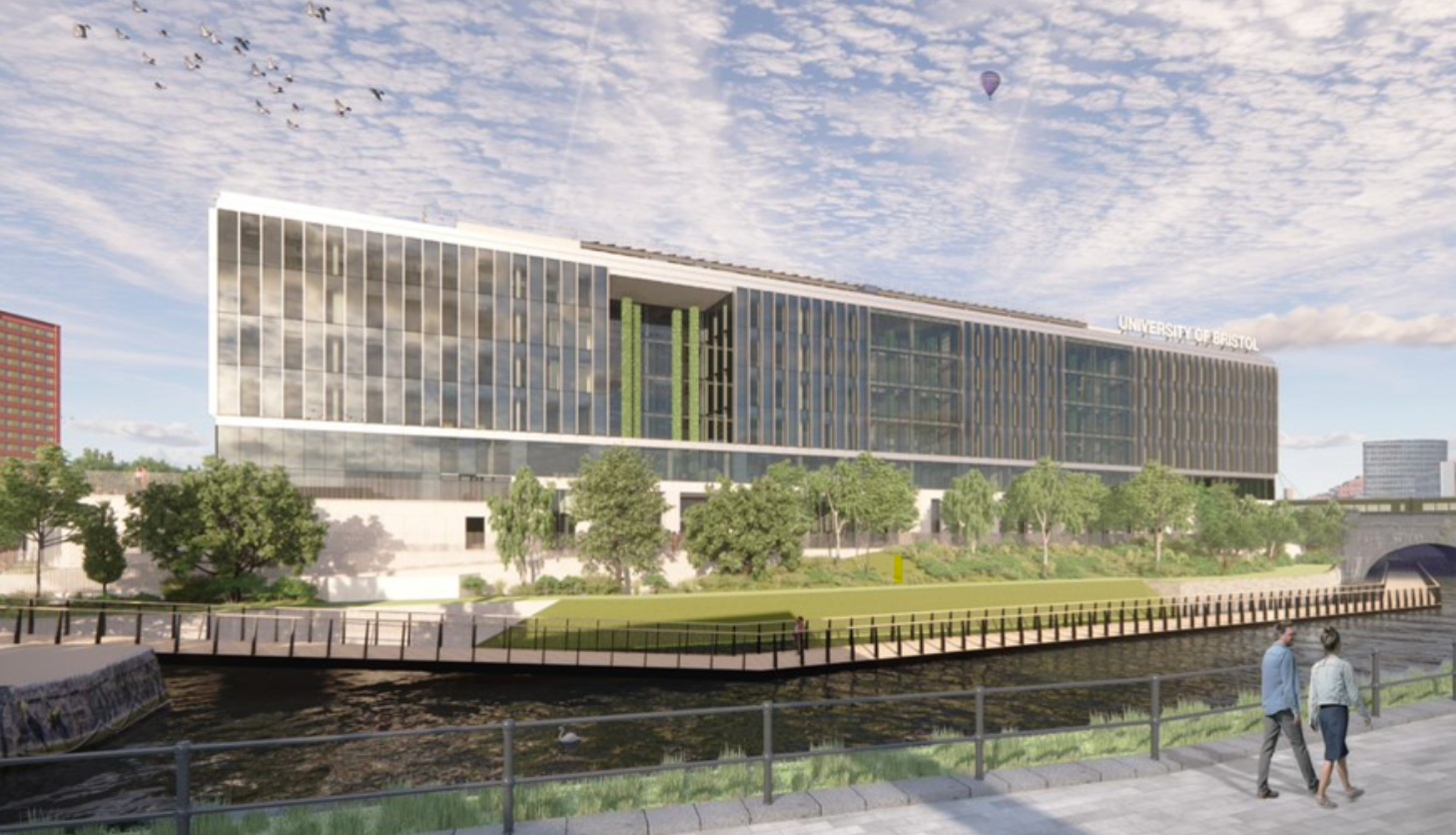
A Bristol University building is one of the first in the country capable of exporting heat from its own computer servers and cooling system back into a citywide heat network, helping to heat other local buildings and reduce carbon emissions.
PROJECT: Modelling flood related disease risks
As flooding events become more common, University of Bristol researchers are developing the first hydro-epidemiological model to help predict and tackle the rise of the flood related disease, Leptospirosis.
In Conversation
Around 56 million years ago, Earth suddenly got much hotter. Over about 5,000 years, the amount of carbon in the atmosphere drastically increased and global temperatures shot up by some 6°C. As a consequence many of the world’s plants could no longer thrive. Today Earth is warming around ten times faster than it did 56 million years ago, which may make it even harder for modern plants to adapt.
Spotlight on...
...the University of Bristol's Cabot Institute for the Environment works with academics, students, and research partners, as well as local and international communities, governments and individuals. Together we help solve the biggest global environmental challenges. We understand that finding solutions requires different perspectives, expertise, and action. Find out more.
Discover Bristol
Our research programmes
Discover an exciting future and join our community of over 3,000 postgraduate researchers from all over the world.
Our research experts
Find out more about our research and the projects we're involved in. Connect with experts in your field.
Our research community
Our culture of innovation, community and outstanding facilities enables our researchers to achieve their ambitions.