
Bristol endocrinologist with a passion for invention
A University of Bristol professor, consultant and inventor, Andy Levy, puts patient and student experience at the forefront of the products he invents.
A University of Bristol professor, consultant and inventor, Andy Levy, puts patient and student experience at the forefront of the products he invents.

Forty-four per cent of deaths of children under 11 years of age involved in falls from windows or balconies in England occurred among children living in the country’s most deprived areas, a new report has found.
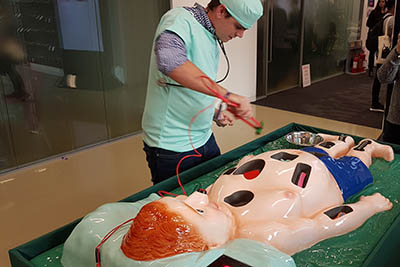
Surgeons from the National Institute for Health Research (NIHR) Bristol Biomedical Research Centre (BRC) will be challenging passers-by to a giant game of Operation in Clifton Down Shopping Centre, Whiteladies Road, today [Monday 20 May] from 9am-4pm to mark International Clinical Trials Day.

A new breakthrough in a rare genetic disease which causes children to age rapidly has been discovered using ‘longevity genes’ found in people who live exceptionally long lives - over 100 years old. The research, by the University of Bristol and IRCCS MultiMedica, found these genes which helps keep the heart and blood vessels healthy during ageing could reverse the damage caused by this life-limiting disease.

Researchers based in Bristol and London have uncovered a link between Lewy body diseases like Parkinson’s and the brain changes associated with Alzheimer’s. The findings could help to explain the close relationship between Parkinson’s, more commonly known for causing movement difficulties, and dementia.

An innovative new pill could soon offer a new and affordable weight management treatment, following a successful clinical trial involving University of Bristol researchers and supported by the National Institute for Health and Care Research (NIHR). The results are published in Obesity today [15 October].

A groundbreaking trial to explore the potential of blood tests to diagnose dementia has begun at North Bristol NHS Trust, in collaboration with the University of Bristol. The research study marks a significant step toward improving the UK’s dementia diagnosis rate.

A new gene therapy approach aimed at protecting people with type 1 diabetes from developing diabetic kidney disease — a serious and common complication of the condition, has shown promising results in a University of Bristol study.

People with Alzheimer’s disease who live in Scotland are being asked to consider taking part in a ground-breaking government-funded trial. The trial is investigating if a drug normally used to treat high blood pressure (hypertension) has additional properties that could slow down the progression of Alzheimer’s disease (AD) in people with and without hypertension.
On World Diabetes Day [14 November] people around the world will be coming together to raise awareness of the condition, which now affects 3.9 million people in the UK. To mark the occasion, the University of Bristol’s Dr Kathleen Gillespie has opened her research labs and invited children and families living with Type 1 diabetes to hear about her ground breaking work in this area.