
Research

Eliminating hepatitis C in Pakistan could yield a return-on-investment of US$9.10 billion

Pakistan has one of the highest rates of hepatitis C virus (HCV) infection in the world, accounting for over ten per cent of global HCV infections. A new modelling study led by the University of Bristol, UK, suggests that achieving the World Health Organization goal of eliminating HCV as a public health problem by 2030 in Pakistan is likely to be highly cost-effective by 2030, cost-saving by 2031, and could deliver US$9.10 billion in savings to the Pakistan national economy by 2050.

Can portable air filters prevent respiratory infections and COVID-19 in care homes?

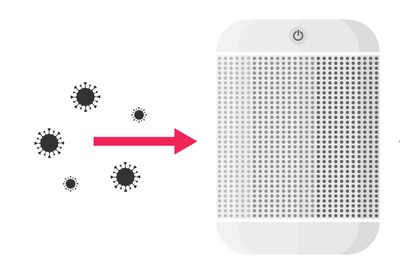
A major new randomised controlled trial will investigate the effectiveness of air filtration systems in preventing respiratory infections (such as coughs, colds and flu) and COVID-19 among care home residents in England. The AFRI-c (Air Filters to Prevent Respiratory Infections including COVID-19 in Care Homes) study, which received funding from the National Institute for Health Research (NIHR), is led by researchers at the University of Bristol.