
Bristol appoints Professor Tavaré to lead new Faculty of Life Sciences
Professor Jeremy Tavaré will take up the role of Dean when the University of Bristol’s new Faculty of Life Sciences is officially launched on 1 August this year.

Professor Jeremy Tavaré will take up the role of Dean when the University of Bristol’s new Faculty of Life Sciences is officially launched on 1 August this year.
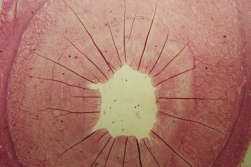
Scientists at the University of Bristol are to study how stopping Porcupine – a protein named after the spiky rodent - could improve heart surgery.

New research from the University of Bristol is calling for an urgent review into how populations of giraffes are managed in the wild when living alongside lions.

The latest national data on child deaths in England show that while overall deaths have slightly decreased, stark inequalities remain by region, ethnicity and deprivation level. The National Child Mortality Database (NCMD) at the University of Bristol, has released its annual Child Death Review Data Release for the year ending 31 March 2025.

Social Scientists have called for a greater comparative analysis of the impact of Tasers used in law enforcement. The next generation of the electric-shock weapon used by police forces in England and Wales is currently under review.
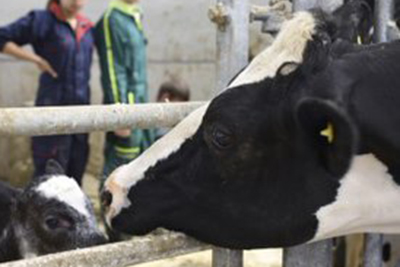
Wales will soon be leading the way in promoting best practice prescribing of antimicrobials, thanks to a nationwide project launched today [Monday 18 November] on European Antibiotic Awareness Day and the start of World Antibiotic Awareness Week [18–24 November].

The Universities of Bath, Bristol, Sheffield and Strathclyde and their industrial partners have been given funding to develop the UK into a future hub for the manufacture of advanced semiconductor materials.

Low doses of fluoxetine – better known as the anti-depressant Prozac – could hold the key to preventing PMS symptoms, an international team of researchers has found.

Expecting GPs to use medical records to identify individual patients who are most vulnerable to cold weather is unrealistic, according to a study by researchers at the University of Bristol, UCL and the University of Birmingham.

New findings from the Children of the 90s study at the University of Bristol suggest that children with low levels of vitamin D in their blood are not at increased risk of developing myopia (short-sightedness).