
Bristol chemistry researchers win Philip Leverhulme Prizes
Two researchers in the School of Chemistry have been awarded 2016 Philip Leverhulme Prizes in recognition of their early-career achievements and exceptional promise.
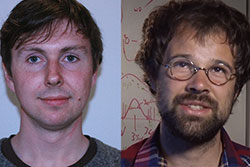
Two researchers in the School of Chemistry have been awarded 2016 Philip Leverhulme Prizes in recognition of their early-career achievements and exceptional promise.

A new report has revealed how the 100 most populated cities globally are becoming increasingly exposed to flooding and drought.

A simple test such as the strength of your handgrip could be used as a quick, low-cost screening tool to help healthcare professionals identify patients at risk of type 2 diabetes. In new research, scientists at the universities of Bristol and Eastern Finland measured the muscular handgrip strength of 776 men and women without a history of diabetes over a 20-year period and demonstrated that the risk of type 2 diabetes was reduced by around 50 per cent for every unit increase in handgrip strength value. The findings are published today in Annals of Medicine.
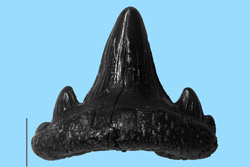
Research on rocks beneath one of the West Country's busiest motorway junctions has revealed unexpected evidence of major flooding events across southern England millions of years ago.
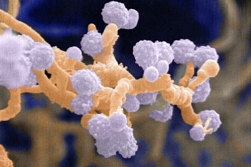
Scientists at the Universities of Bristol and Newcastle have uncovered the secret of the ‘Mona Lisa of chemical reactions’ – in a bacterium that lives at the bottom of the Pacific Ocean. It is hoped the discovery could lead to the development of new antibiotics and other medical treatments.
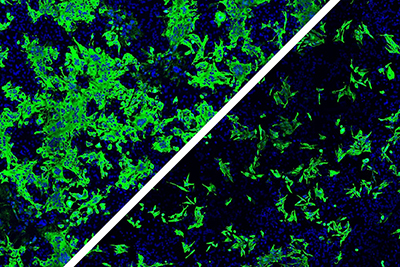
In a major breakthrough an international team of scientists, led by the University of Bristol, has potentially identified what makes SARS-CoV-2 highly infectious and able to spread rapidly in human cells. The findings, published in Science today [20 October] describe how the virus’s ability to infect human cells can be reduced by inhibitors that block a newly discovered interaction between virus and host, demonstrating a potential anti-viral treatment.
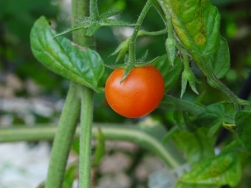
New research from the University of Bristol has found that embracing organic farming methods can bring gains in social sustainability, and benefits for farmers and workers.
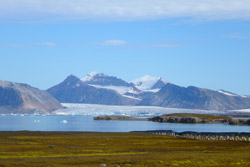
A team of researchers from the Universities of Bristol and Leeds collected soils from an ‘alien-like’ post-glaciation landscape in the Norwegian archipelago, Svalbard, which had only recently been uncovered after several thousand year old ice had melted away.
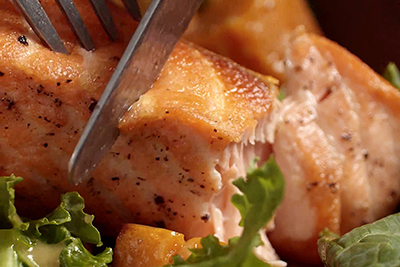
Children who consumed the least amounts of seafood at 7-years-old were likely to be less ‘prosocial’ at ages 7 and 9 years than those who regularly consumed seafood, according to a new study. ‘Prosocial’ behaviour includes friendly interactions, altruism, and sharing.
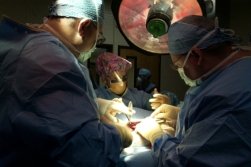
The University of Bristol has received £2.5 million from the British Heart Foundation for a new interdisciplinary PhD studentship programme in integrative cardiovascular science.