
Charities join forces to understand how COVID-19 affects people with type 1 diabetes
JDRF, the world's leading type 1 diabetes charity, is partnering with Diabetes UK to find out how the coronavirus pandemic is affecting people with type 1 diabetes.
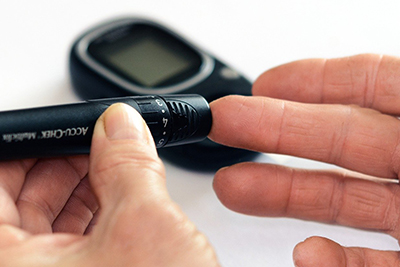
JDRF, the world's leading type 1 diabetes charity, is partnering with Diabetes UK to find out how the coronavirus pandemic is affecting people with type 1 diabetes.
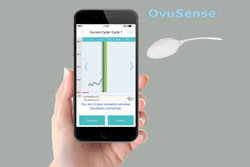
A new real-time fertility monitor, using technology developed at the University of Bristol, has been launched to help women identify their ovulation window and increase the chances of pregnancy.

Competition to create the smallest, lightest and cheapest laptop on the market is motivating the ongoing search for a better computer-memory device then the current, conventional 2D hard-disk technology. Mathematicians from the University of Bristol have been analysing the potential of one such initiative: the 'racetrack memory' device, proposed by researchers at IBM.

A new review of the availability, uptake, and effectiveness of bank card gambling blockers in the UK has found an estimated 28 million personal current accounts do not have the option to block gambling expenditure.

New research led by scientists from King's College London and the University of Bristol has found that a high-fat, high-sugar diet during pregnancy may be linked to symptoms of ADHD in children who show conduct problems early in life.

Despite their obvious differences, the UK and Brazil face stark similarities in the urban challenges they face.

Scientists studying the ‘near threatened’ tequila bat, best known for its vital role in pollinating the Blue Agave plant from which the drink of the same name is made from, have analysed its DNA to help inform conservationists on managing their populations.

When Abdullahi Abdi threw his mortarboard in the air on graduating and looked skyward, his sense of elation was overshadowed by huge sorrow.

The development and survival of an important group of marine invertebrates known as sea hares is under threat from increasing boat noise in the world's oceans, according to a new study by researchers from the UK and France.

Young adults are more likely to give up smoking and switch to vaping if they understand the reduced harm of vaping, according to a new study involving University of Bristol researchers. However, many inaccurately believe that vaping is as bad for you or worse than smoking.