
Charity launches scar-free healing research campaign
A major medical research campaign to achieve scar-free healing within a generation was launched in London today.
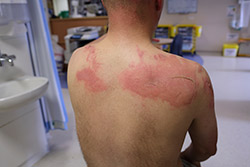
A major medical research campaign to achieve scar-free healing within a generation was launched in London today.
The first UK clinical trial to increase the identification and treatment of hepatitis C (HCV) patients in primary care has been found to be effective, acceptable to staff and highly cost-effective for the NHS. The University of Bristol-led Hepatitis C Assessment to Treatment Trial (HepCATT), published in the British Medical Journal today [27 February], provides robust evidence of effective action GPs should take to increase HCV testing and treatment.

Digital technology can present both opportunities and harms to young people and their mental health. A new research project is asking for practitioners who support young adults with their mental health to take part in a UK-wide online survey to identify the importance of adolescents' digital technology use to consultations about mental health.

Bump2Baby and Me is a new project awarded funding from the EU's Horizon 2020 research and development programme. Led by researchers from the University College Dublin and the University of Bristol, this five-year project will address weight management during and after pregnancy.

A team from the University of Bristol and North Bristol NHS Trust (NBT) has been selected by the Health Foundation, an independent health care charity, to be part of its £1.5 million innovation programme, Innovating for Improvement.

The Government needs to develop new tools to help prevent the sudden unexpected death of infants (SUDI), says a new review by the Child Safeguarding Practice Review Panel which included University of Bristol researchers.

Individuals who have suffered maltreatment in childhood have a higher risk of cardiovascular disease (CVD), according to new University of Bristol research in Heart.
An international team of researchers has shed light on the potential impact of new drugs for hepatitis C virus (HCV). HCV is an important cause of liver cancer and is transmitted through blood to blood contact. People who inject drugs (PWID) and men who have sex with men (MSM), who are also infected with HIV, are key risk groups for HCV infection in UK.

Greater openness about complementary and alternative medicines (CAM) use has the potential to strengthen farmer-vet relationships, which may prevent potential unintended harm to animals, reduce antibiotic use and improve herd health management, new research has found. The study, led by the University of Bristol, is published today [26 February] in Frontiers in Veterinary Science.

Urinary tract infections (UTI) in young children can lead to kidney damage, but are notoriously difficult to diagnose in primary care because symptoms can often be vague and unclear.