
Sounds of the past give new hope for coral reef restoration
Young fish can be drawn to degraded coral reefs by loudspeakers playing the sounds of healthy reefs, according to new research published today [29 November] in Nature Communications.
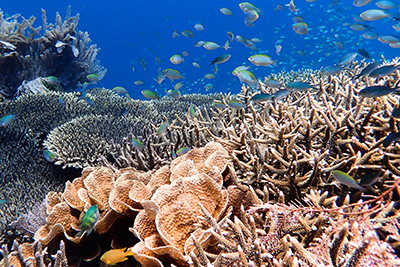
Young fish can be drawn to degraded coral reefs by loudspeakers playing the sounds of healthy reefs, according to new research published today [29 November] in Nature Communications.

A detailed study of the genetic data of nearly 10,000 individuals — one of the largest analyses of its kind to date — has been carried out in an effort to explore how rare differences in our genes contribute to human disease. The main findings, led by an international team including researchers from the University of Bristol’s MRC Integrative Epidemiology Unit, are reported in two papers published in Nature and Nature Communications [14 September 2015].

An international group of scientists has shown that fossil fuel corporations have, for decades, denied the public's right to be accurately informed about climate change by funding efforts to deceive people about the dangers of their product. A report illustrating how the industry "polluted the information landscape" and how the damage could be undone is published today [Monday 21 October].
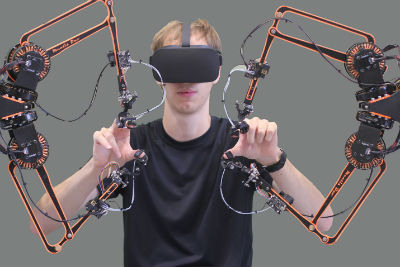
Imagine being able to build and use a robotic device without the need for expensive, specialist kit or skills. That is the vision that researchers from the University of Bristol have turned into reality, creating a lightweight, affordable and simple solution for everyday users.
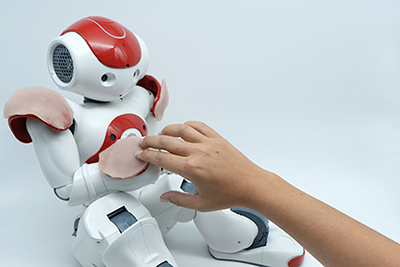
A new interface developed by researchers in Bristol and Paris takes touch technology to the next level by providing an artificial skin-like membrane for augmenting interactive devices such as phones, wearables or computers.
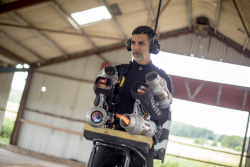
Developing jet-powered human flight suits may sound like science fiction, but Bristol’s Aerospace Engineering students are helping to make it reality, thanks to a collaboration between world-leading human flight suit manufacturer, Gravity Industries and the University of Bristol.
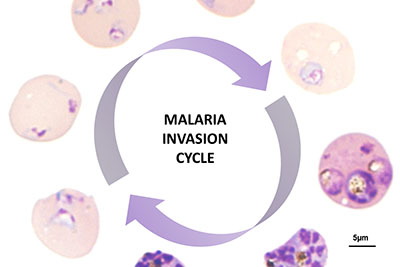
Researchers at the University of Bristol and Imperial College London have established a new model system that uses red blood cells grown in the laboratory to study how malaria parasites invade red blood cells.
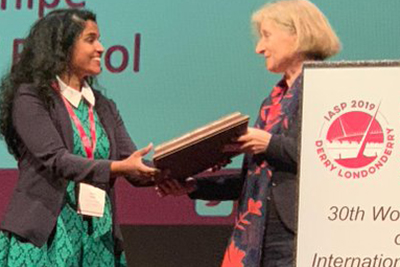
A researcher from the University of Bristol Medical School has received a prestigious international award in recognition of her outstanding research into suicide prevention in low- and middle-income countries.
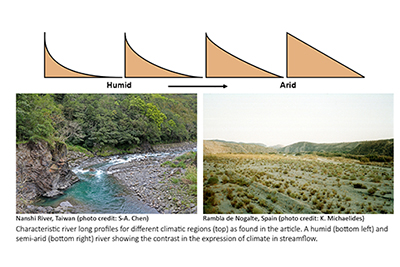
A new study, led by scientists from the University of Bristol and published in the journal Nature, discovers a clear climatic signature on rivers globally that challenges existing theories.

A team of researchers from the Universities of Bristol and Sussex in collaboration with Ultrahaptics have built the world’s first sonic tractor beam that can lift and move objects using sound waves.