
Are rocket scientists and brain surgeons really smarter than everyone else?
Rocket scientists and brain surgeons are no smarter than the general population, suggests a study published in the Christmas issue of The BMJ.

Rocket scientists and brain surgeons are no smarter than the general population, suggests a study published in the Christmas issue of The BMJ.
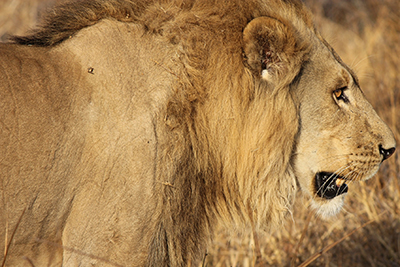
Most animals need to move, whether this is to seek out food, shelter or a mate. New research has shown that movement doesn't always break camouflage and if an animal needs to move, animals that are unpatterned and use short, fast movements are less likely to be located by predators.
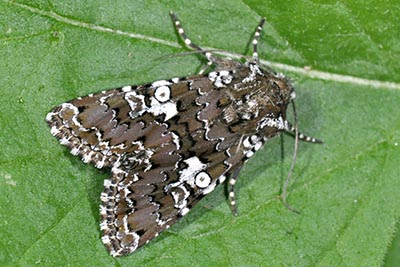
Some forms of camouflage have evolved in animals to exploit a loophole in the way predators perceive their symmetrical markings. The University of Bristol findings, published in Proceedings of the Royal Society B today [15 Jan], describe how animals have evolved to mitigate this defensive disadvantage in their colouration.

Frontline healthcare workers say they are angry at being treated as 'COVID cannon fodder, not COVID heroes' after responding to the virus for nearly two years and working at full capacity, reveal the findings of new research.
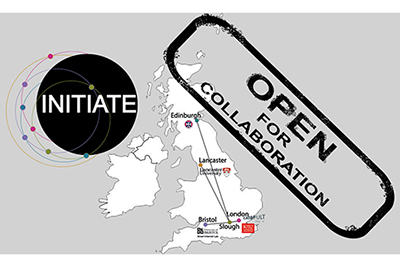
Potential collaborators are invited to pitch ideas to INITIATE, an EPSRC-funded project, led by Smart Internet Lab at the University of Bristol, which is spearheading research into the future capabilities of the Internet.

A Bristol art project about migration has won the 2016-2018 Vera List Centre Prize for Art and Politics. Presented every two years to an artist, or group of artists, whose work furthers social justice, this year the winner is Brazilian artist Maria Thereza Alves, who created Bristol’s Floating Ballast Seed Garden, in collaboration with the University of Bristol Botanic Garden, Bristol City Council and Arnolfini.
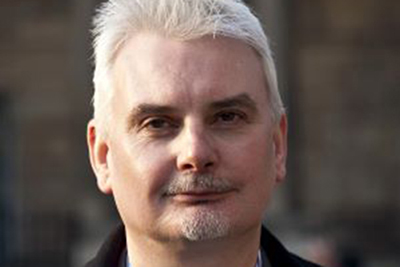
Stephen Hilton, founder and director of Bristol Futures Global, has become Bristol Digital Futures Institute’s first fellow.
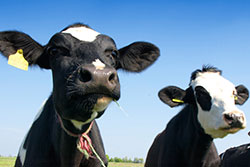
An internationally renowned panel of speakers will share their perspectives on what role livestock can and should play in ensuring global food security and answer audience questions at a free event next week [Tuesday 12 January].
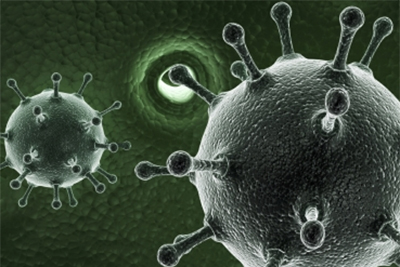
A large investment of at least US$3.9 billion needed to meet the World Health Organisation’s (WHO) target for the elimination of Hepatitis C virus (HCV) in Pakistan could deliver huge benefits in terms of lives saved and reduced ill health, according to University of Bristol led research published in The Lancet Global Health today [19 February].

Researchers at the University of Bristol have come up with a new type of nanoelectromechanical relay to enable reliable, high-temperature, non-volatile memory.