Bristol jumps in global subject rankings by Times Higher Education
Several subjects taught at the University of Bristol have jumped higher in the 2023 Times Higher Education (THE) World University Rankings by Subject.

Several subjects taught at the University of Bristol have jumped higher in the 2023 Times Higher Education (THE) World University Rankings by Subject.
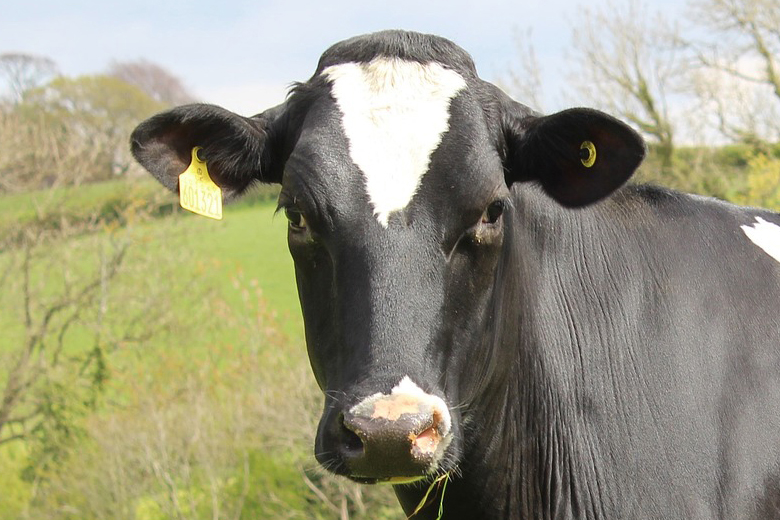
Researchers at the University of Bristol, supported by the British Veterinary Association, the British Cattle Veterinary Association and the Responsible Use of Medicines in Agriculture (RUMA) Alliance, are calling for veterinary surgeons in the UK to work together with their farmer clients to remove expired and inappropriate veterinary medicines from farms and dispose of them appropriately.
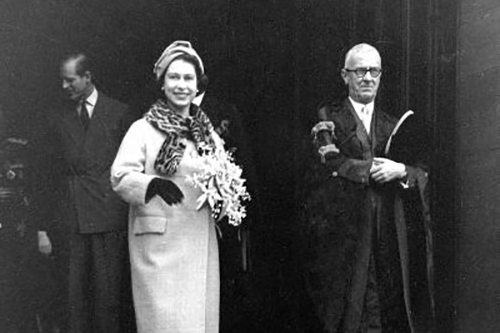
The University of Bristol today pays tribute to Her Majesty The Queen, the longest-reigning monarch in British history, who has sadly passed away.
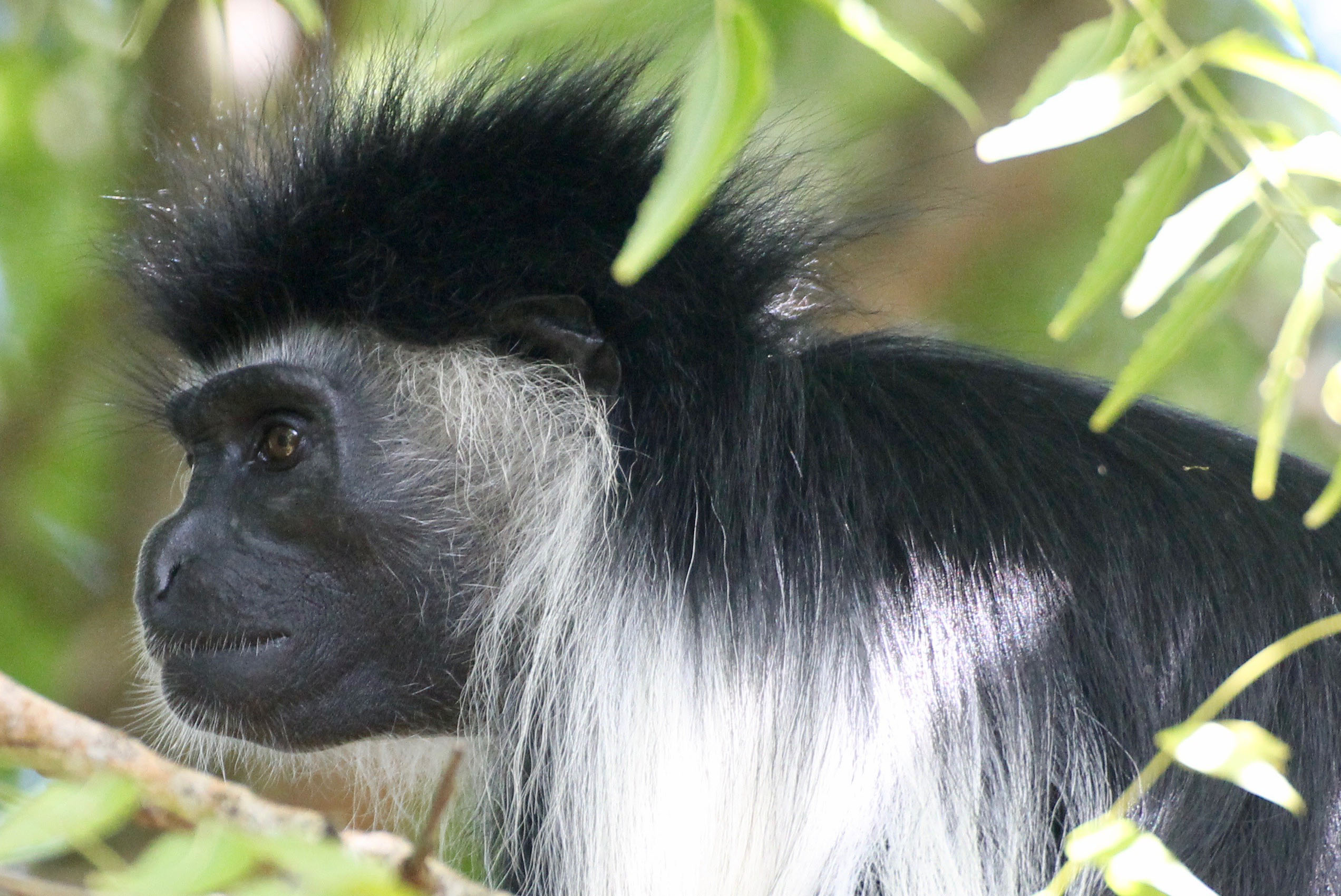
New research has mapped and analysed the incidence of primate electrocutions in Diani, Kenya to identify hotspot areas that should be prioritised to reduce the risk of electric shock. The study could also inform conservation strategies in other parts of the world where primate electrocutions are common. Electrocution threatens a wide range of primate species across the world and the hazard could become more widespread as species are increasingly restricted to human-dominated landscapes.

The University of Bristol has signed a new partnership with the National Aerospace University (Kharkiv Aviation Institute) in Ukraine as part of a UK government-backed ‘twinning’ scheme to support higher education institutions affected by the 2022 Russian invasion of Ukraine.

Dr Amber Young, Honorary Professor of Burns Care at the University of Bristol, died peacefully at home on 17 September 2022 after suffering for a long time with breast cancer. Professor Jane Blazeby and colleagues in Bristol offer a remembrance.
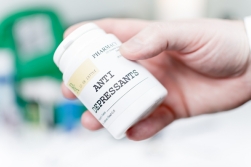
Psychiatrists and GPs increasingly combine mirtazapine with an SSRI (selective serotonin reuptake inhibitor) or SNRI (serotonin-noradenaline reuptake inhibitor) antidepressant for patients whose depression does not respond to a single antidepressant. A large clinical trial led by researchers at the Universities of Bristol, Exeter, Keele, Manchester and Hull York Medical School, and published in the British Medical Journal today, looked at the effectiveness of adding mirtazapine to an SSRI or SNRI in patients who remain depressed after at least six weeks of conventional (SSRI or SNRI) antidepressant treatment. They found that this combination was no more effective in improving depression than placebo and call on doctors to rethink its use.

A scientist from the University of Bristol has been honoured in the Queen’s New Year Honours list, which recognises the achievements and service of people across the UK. Along with the Birthday honours, they are the most significant announcement of civilian and military gallantry awards.
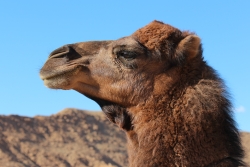
Academics at the University of Bristol will investigate how the one-humped Arabian camel can thrive in the hot and dry environment of the desert, where water is scarce, thanks to a grant from the Leverhulme Trust. Working with scientists in North Africa and the Middle East they hope to better understand how animals can adapt to deserts and climate change.

Over three quarters of acute NHS trusts in England (77%) do not have a child weight management service, despite being responsible for providing specialist services for the most severely obese, according to a study led by researchers at the University of Bristol and funded by the National Institute for Health and Care Research (NIHR).