AI sustainability student trailblazer joins University of Bristol experts at COP31
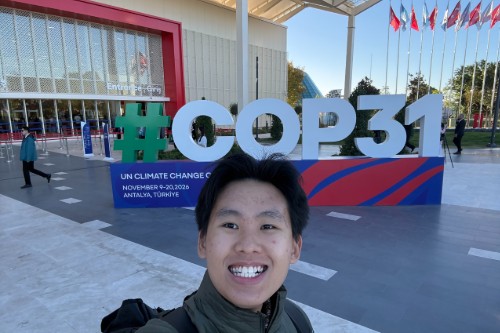
Super smart student Matt Lo is harnessing his AI know-how to supercharge more sustainable smart cities – and he is poised to share his insights at COP31 this week.
Early warning systems for severe weather events are failing to translate into life-saving preparedness across Africa, leaving millions exposed to the devastating impacts of extreme weather, new University of Bristol-led research has found. The international study is published in the Bulletin of the American Meteorological Society (BAMS).
We are delighted to announce that Dr Paul Merchant has been appointed as the next Director of the Cabot Institute for the Environment. Paul will begin his three-year tenure on 1 September 2026.
Africa’s largest monkey, the mandrill, Mandrillus sphinx, is being forced out of its home within a national park due to hunting pressure, new research has revealed.
Sabine Hauert, Professor of Swarm Engineering at the University of Bristol, has been awarded an honorary OBE in recognition of her services to robotics.
The Cabot Institute for the Environment has welcomed Dr Graham Cooley as a new member to its Strategic Advisory Board.
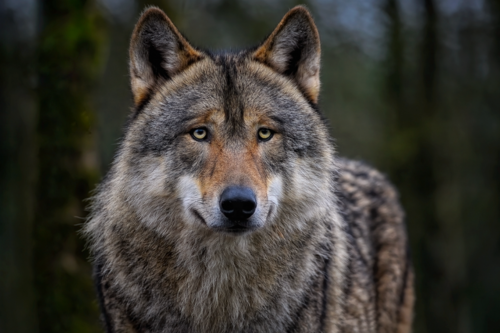
Grey wolves adapt their diets as a result of climate change, eating harder foods such as bones to extract nutrition during warmer climates, new research has found.
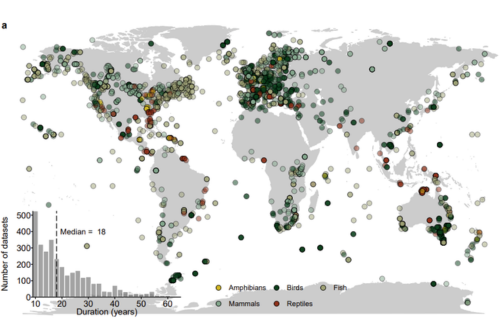
Efforts to stop declines in vertebrate wildlife populations should aim to address multiple threats simultaneously, rather than focusing on pressures one by one, a new study led by the University of Bristol has found.
The Prince of Wales learnt about the incredible research and innovation taking place at the University of Bristol when he visited two of its world-leading research facilities today (22 January).
Hundreds of millions of people worldwide live within 100 kilometres of a volcano that has experienced at least one significant eruption. Yet the warning signs that signal a shift from relatively mild activity to a high-impact eruption remain unclear. A major new £3.7 million University of Bristol-led research project aims to change this.