
Nightwalker
How might historical, ecological and artistic practices inform contemporary night-walking? What does the presence of a feminine nightwalker do to the city, and our notion of cities at night?
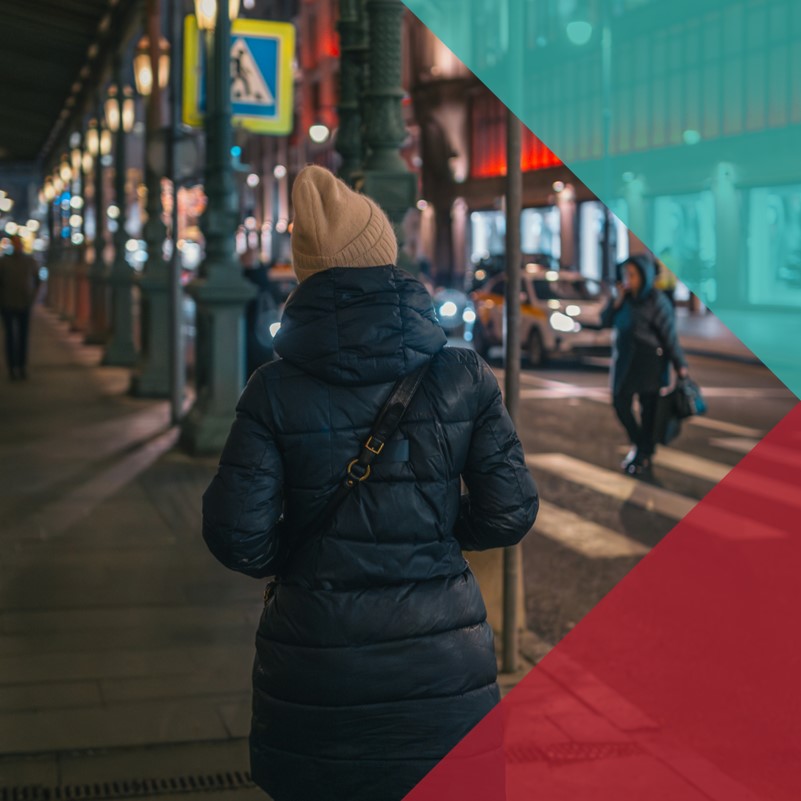
How might historical, ecological and artistic practices inform contemporary night-walking? What does the presence of a feminine nightwalker do to the city, and our notion of cities at night?
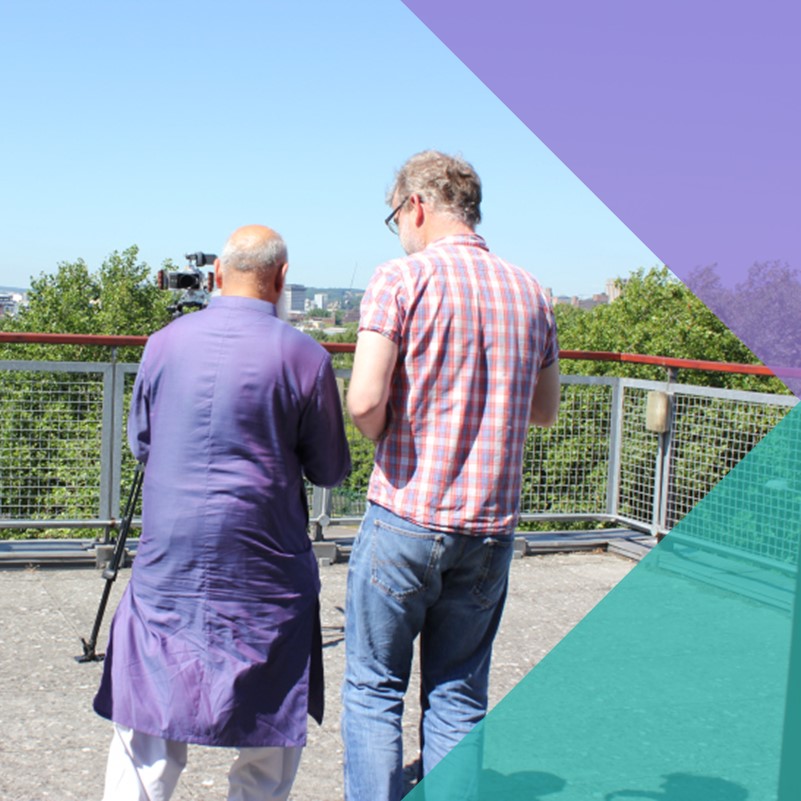
How can health researchers, film researchers, charity organisers, and the south Asian community work together to promote inclusion of marginalised communities in healthcare research by using co-creation methods and visual media?
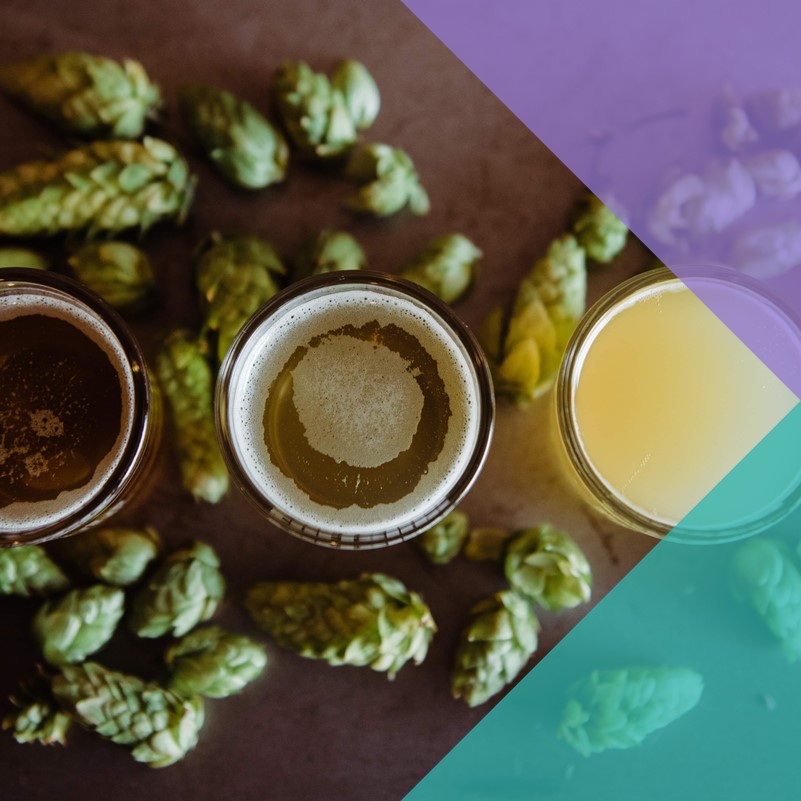
What social and cultural significance does growing, brewing, and drinking hold for the residents of care homes? What role might activities orientated around growing, brewing and celebrating the cultural heritage of beer play in supporting wellbeing and social connection? How might such activities challenge and disrupt dominant cultural representations of life with dementia in a care home?
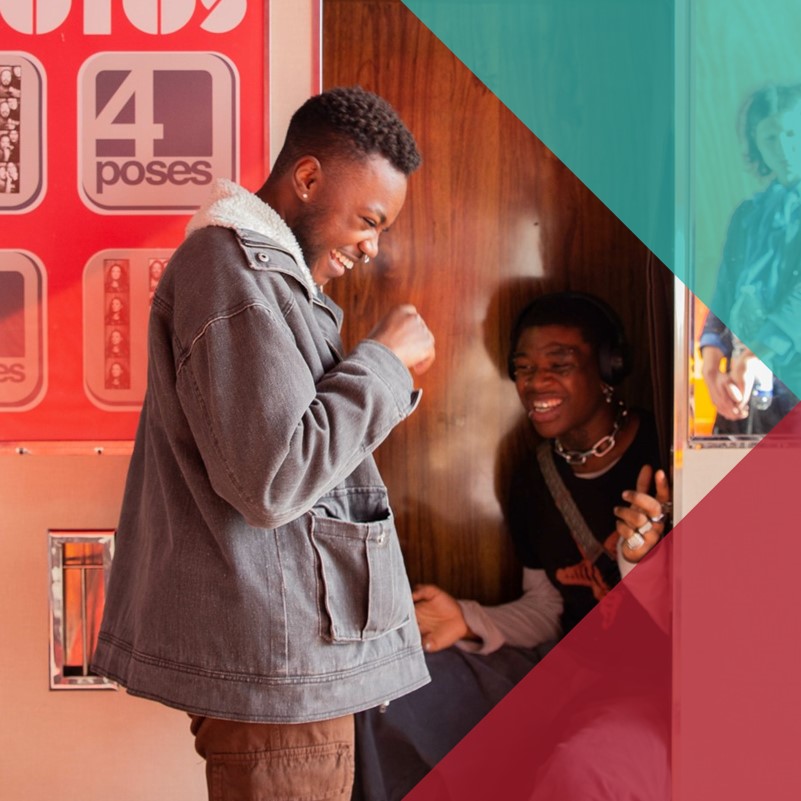
What care futures are envisioned by younger LGBTQ+ people? What can be learned from unorthodox spaces/places where caring relationships are practised by LGBTQ+ people? What are the different relationship care structures, for example within poly families compared to monogamous relationships, and the durability of these over time?
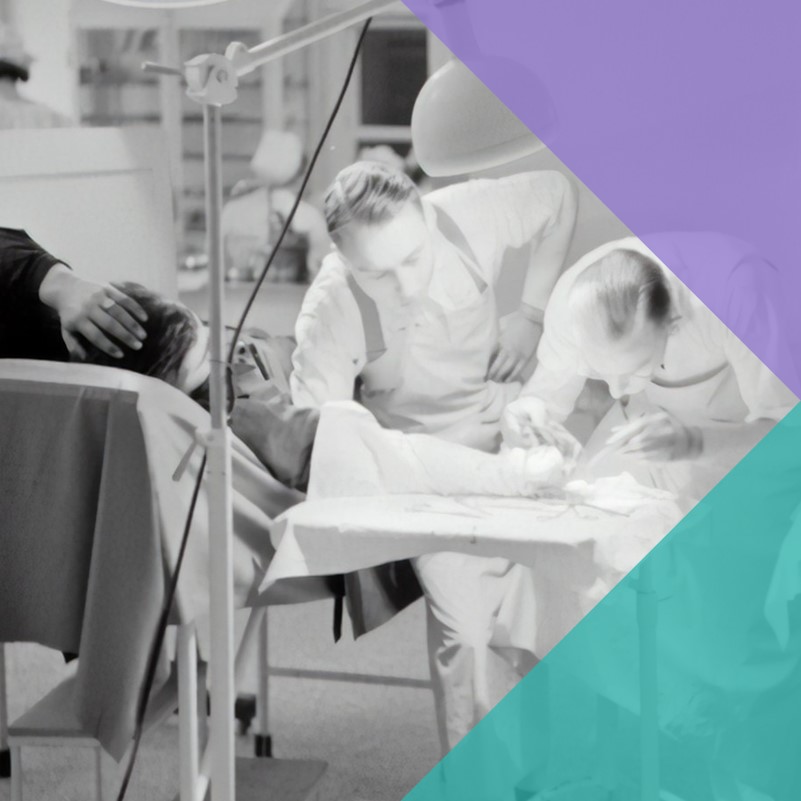
What can an historical approach bring to our understanding of people’s attitudes of and behaviour toward everyday healthcare? How can this contribute to clinical practice and the future delivery of primary care?

How can medical professionals and researchers coproduce scenarios with minority communities and draw on the lived experience of health concerns and attending health services through storytelling workshops?

How can ethical storytelling be used to develop new drug policy, to inform how we can live well with drugs in our communities, and to destigmatise drugs and people who use them?

How could brewing provide an opportunity for reminiscence and a connection to the natural world, the local community, and therapeutic horticulture in care communities?

Can diary writing improve wellbeing? Is it time to "reimagine" the diary? Are there ways for busy people to engage in diary writing? This project looks at the past, present and future of diary writing in relation to wellbeing. It explores ethical considerations, barriers and creative formats.

How are some people able to be physically active in their daily lives while others are not? How can physical activity guidelines be made more relevant and accessible?