
Woven
How might an engaging artwork help women to connect or understand our bodies and hormonal changes on a deeper level?
How might an engaging artwork help women to connect or understand our bodies and hormonal changes on a deeper level?
Can our wearable devices such as pedometers, heart-rate monitors, and Fitbits be repurposed to challenge the relationship between the user, the quantified-self, and our understanding of the workplace and beyond?
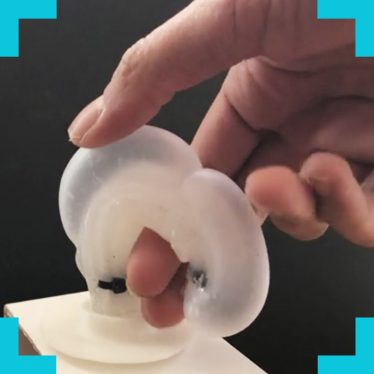
Can soft-bodied robots help us to combat isolation and loneliness?
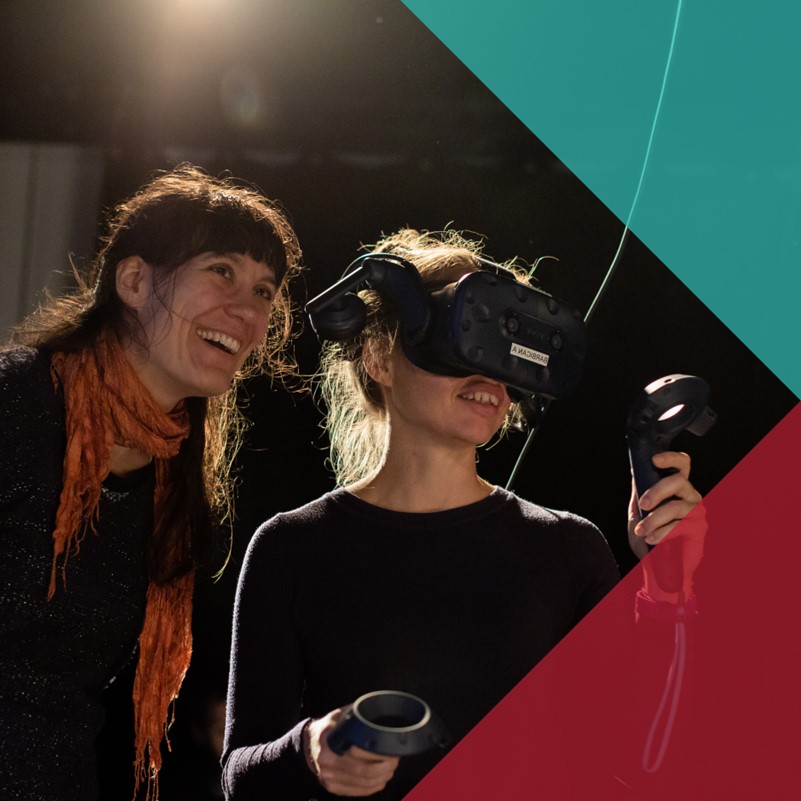
How can VR and dance help us to rethink the human perceptual systems and the bias toward vision; the inherent nature of the relationship between perceptual systems and environment for wellbeing; and the ways in which we can re-centre the design for spaces away from visual conspicuity frameworks for sensing, movement and interaction?
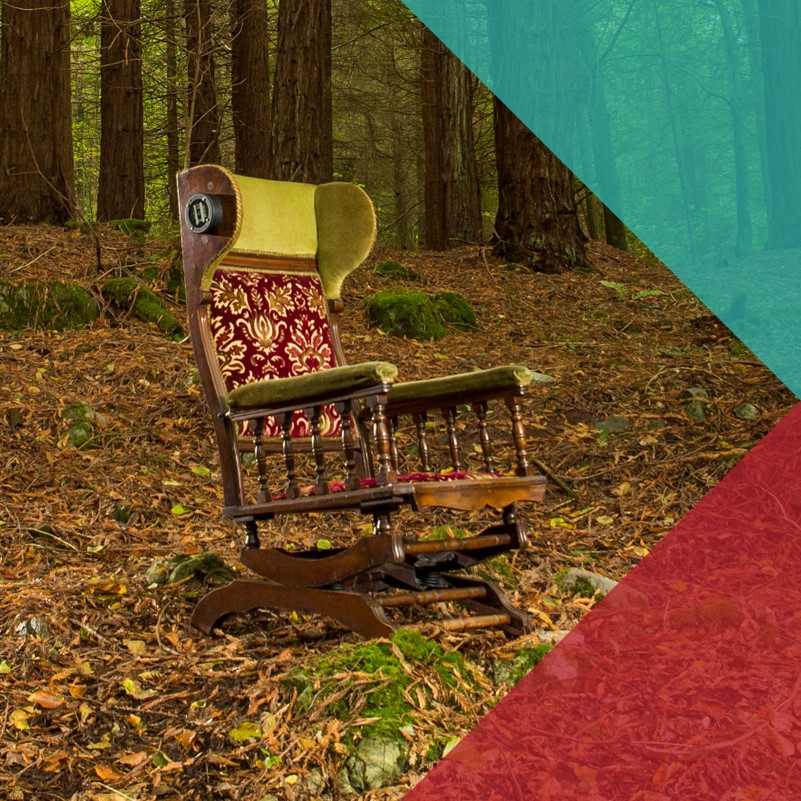
With care home residents and hospital patients spending much of their time indoors, how can we help them to re-connect with nature?
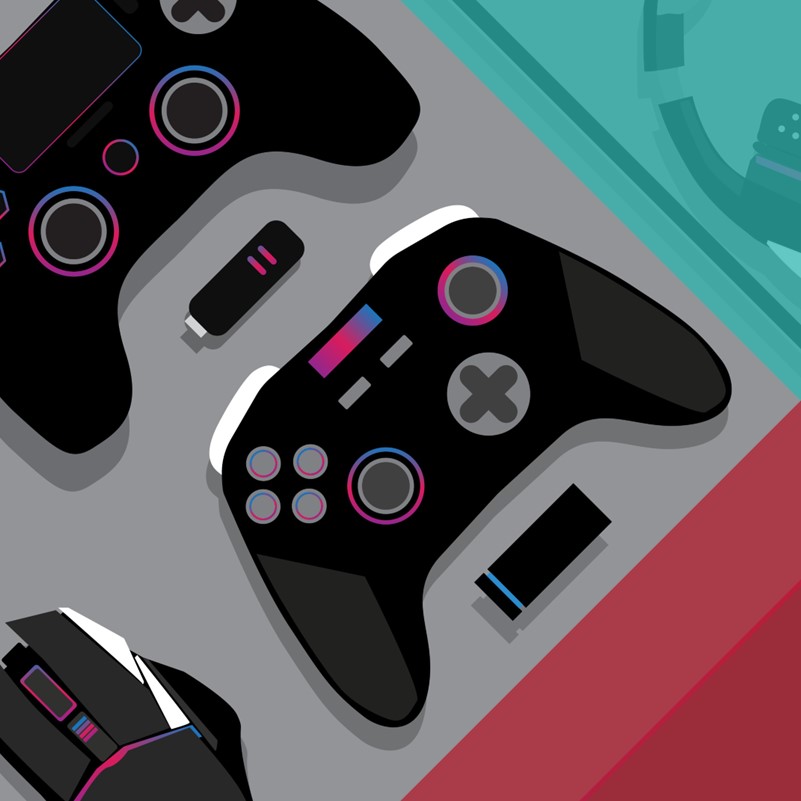
How can game developers and publishers, localisation service providers, game players, and researchers come together to address the issues faced by video game localisation?
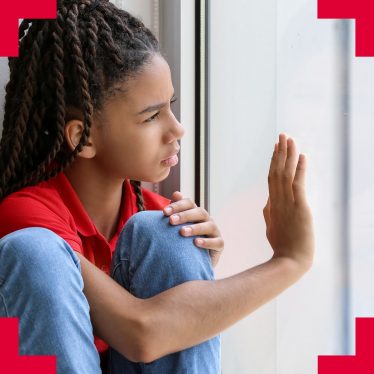
How are these young people experiencing education now? How has expulsion impacted their mental health, social connectedness, and emotional wellbeing? What are excluded pupils’ educational and wellbeing needs now we’re returning to face-to-face learning?
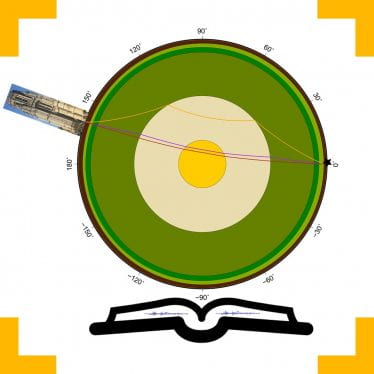
How might bringing together artists, scientists and researchers in the humanities with shared interests, generate insights into a shared language for research and creative practice? How can we better communicate risk levels associated with ground movement?

In what ways can analysis of nocturnal human-environment entanglements of the River Erme reveal new insights about the contested futures of our rivers?
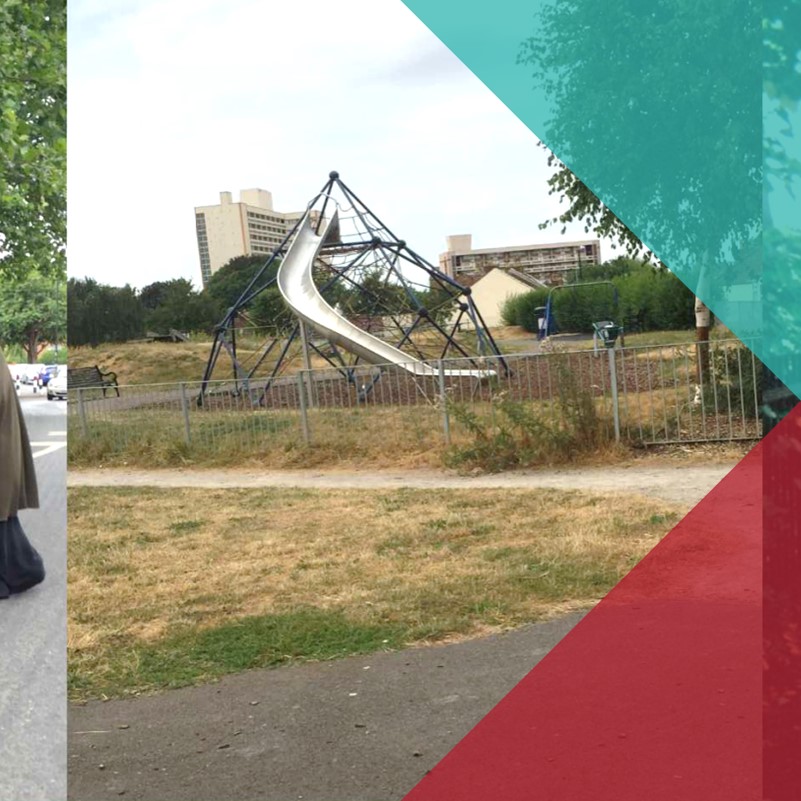
How can we explore what are the barriers and facilitators to opportunities for play, social interaction, physical activity and healthy eating for children through neighbourhood walkabout and photovoice?