
Becoming Elizabeth Blackwell
How can you stage Elizabeth Blackwell’s experiences as a disabled woman and a pioneering doctor? How can we explores embodiment of disability in performance while exploring what we might learn from such life stories?
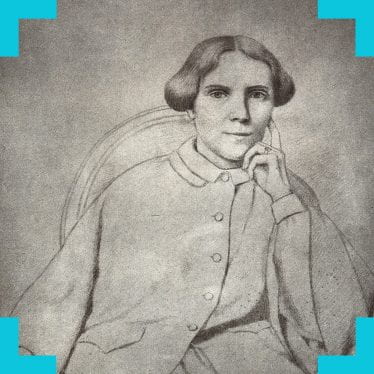
How can you stage Elizabeth Blackwell’s experiences as a disabled woman and a pioneering doctor? How can we explores embodiment of disability in performance while exploring what we might learn from such life stories?
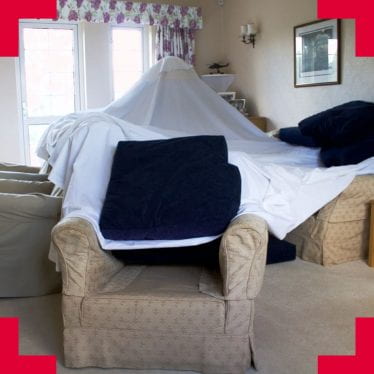
How can we expand current understandings of war and what makes war possible by focussing on ‘home’? Can photo-documentary research disrupt current representations and understandings of war to further the collective understanding of war, war-time and military life?
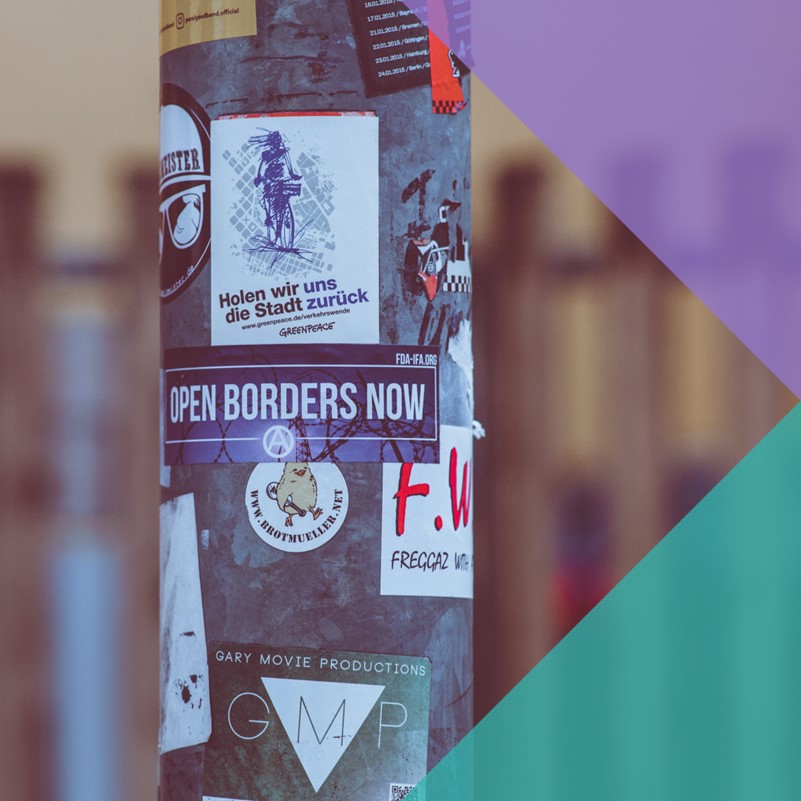
How are migration and migrants/refugees represented in the media? How can we improve public conversations about migration from the grassroots up?

How can researchers use interdisciplinary artistic forms as an emotional distancing tool to developed a framework for creating a responsive, ethically-informed project to collect and curate anonymised stories?
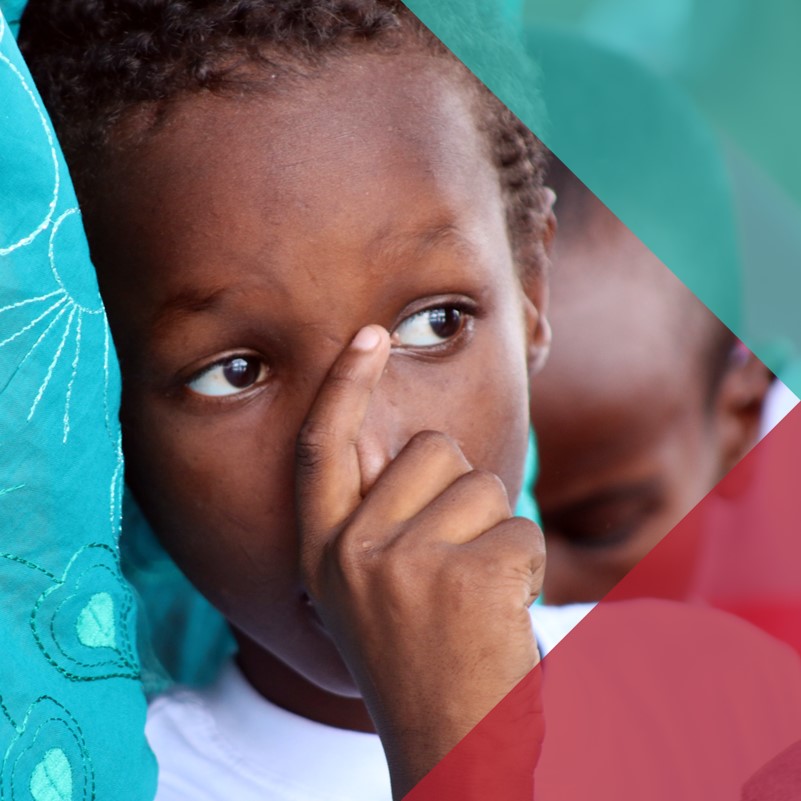
How can the University work with the Somali communities in Bristol to improve wellbeing and outcomes for Somali young people? How can a migrant community use research evidence to support their development?
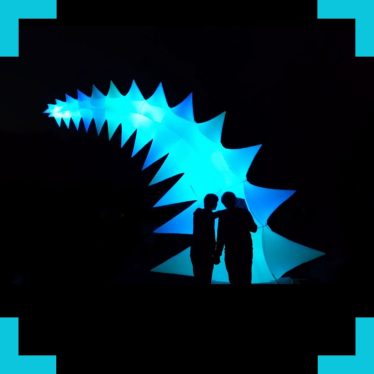
How can researchers use soft robotics to develop non-verbal communication aids for people with communication difficulties?
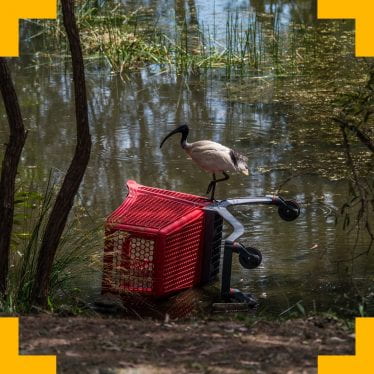
Can digital tech empower online consumers to respond to environmental emergencies? Can we create a tool that can connect with consumer practices to give people the opportunity to make ethical consumer choices?
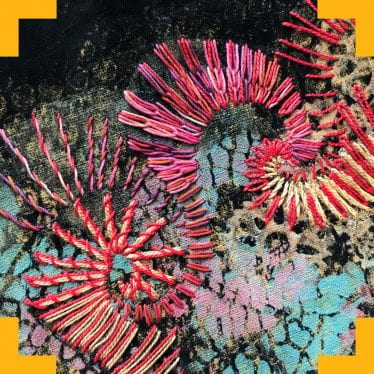
Can both productive stitch and subversive stitch be understood as therapeutic? How can researchers explore the role of sewing in 19th century asylums and its relevance to contemporary wellbeing?
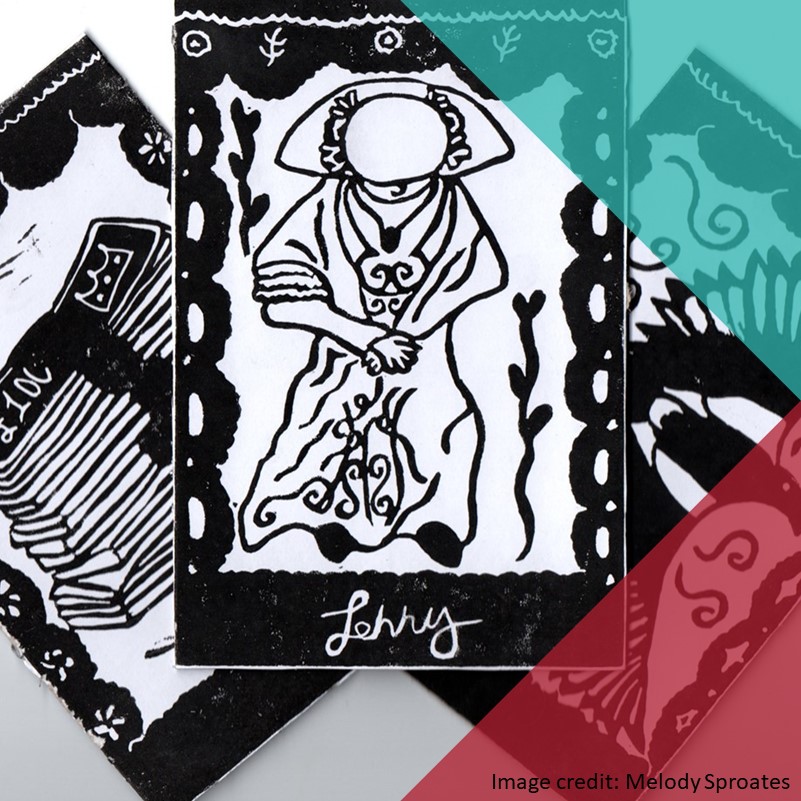
How can we talk about trans lives by examining the life of a gender non-conforming woman from the past? How can researcher explore the life of Jenny Moore from the early twentieth century, and focus on how living outside the law shaped their identity and experience?
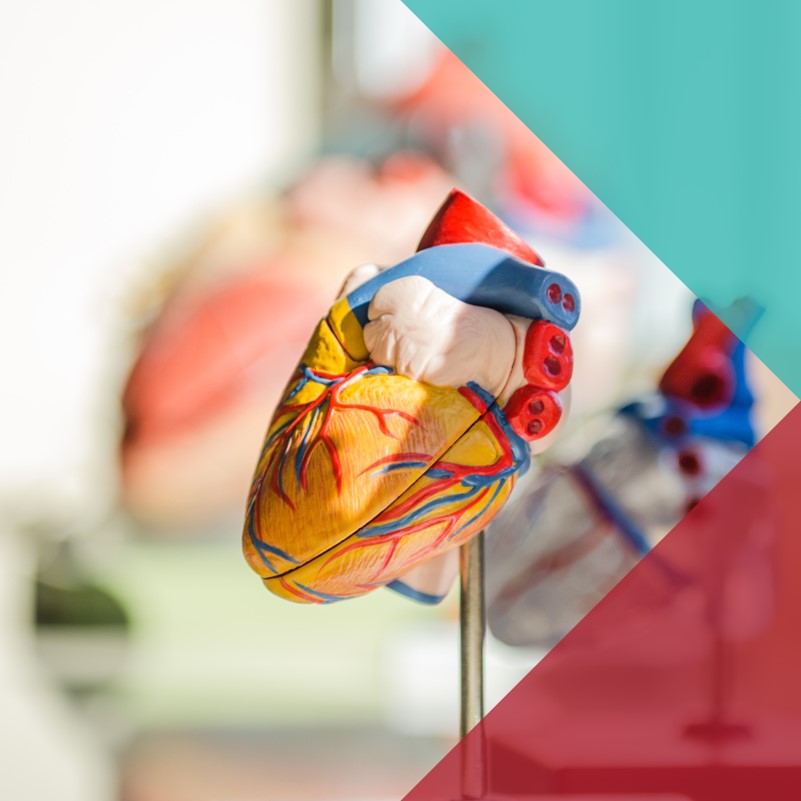
Which aspects of living with takotsubo cardiomyopathy cannot be captured by the label “broken heart syndrome”? Did participants experience their diagnosis as a “biographical disruption” and does that affect their self-representation?