
Gene therapy hope for children with kidney disease
Researchers at the University of Bristol have made a remarkable step forward in finding a potential cure for a type of childhood kidney disease.

Researchers at the University of Bristol have made a remarkable step forward in finding a potential cure for a type of childhood kidney disease.

Researchers have created a unique microscopic toolkit of ‘green’ tuneable electrical components, paving the way for a new generation of bioelectronic devices and sensors.

Heliconius butterflies’ brains grew as they adopted a novel foraging behaviour, scientists at the University of Bristol have found.
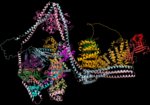
A molecular machine, which plays an essential ‘cargo’ role in controlling the delivery of proteins to the surface of human cells, and is implicated in several diseases, has been identified in a landmark study using artificial intelligence (AI). The research, led by an international team of scientists, is published today [11 May] in Cell.
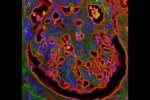
A new way to reduce progression of diabetic kidney disease, affecting 40% of people with diabetes, has been discovered by scientists. The University of Bristol-led study published today [7 February] in JCI Insight, could help the 4.8 million people in the UK with diabetes who are four times more likely to need either dialysis or a kidney transplant.

An anti-aging gene discovered in a population of centenarians has been shown to rewind the heart's biological age by 10 years. The breakthrough, published in Cardiovascular Research and led by scientists at the University of Bristol and the MultiMedica Group in Italy, offers a potential target for patients with heart failure.
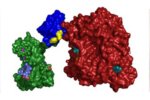
A team of scientists, led by the University of Bristol, has developed a new photosynthetic protein system enabling an enhanced and more sustainable approach to solar-powered technological devices.

Inspired by the processes of cellular differentiation observed in developmental biology, an interdisciplinary team of researchers at the University of Bristol have demonstrated a new spontaneous approach to building communities of cell-like entities (protocells) using chemical gradients.

Older women could be vulnerable to harmful inflammation from new gene therapies to treat incurable eye diseases, new research has found. The University of Bristol-led study, published in Molecular Therapy, reveal how age and gender affects inflammation caused by gene therapy treatments and could cause damage to the eye. The findings could help improve the therapy’s effectiveness for eye conditions and highlights the need for personalised treatment to reduce risk and ensure a better outcome for all patients.

Dr Helen Weavers, Associate Professor in Cell and Developmental Biology in the Faculty of Health and Life Sciences, has been awarded the Women in Cell Biology (WCIB) Early Career Medal 2025 by the British Society for Cell Biology (BSCB).