
Human behaviour and society
This research theme centres on how people behave in real-world contexts. It looks at how we can understand and influence individual and social behaviour to improve outcomes for individuals and populations.
Key areas include:
- Behaviour change in areas such as diet, smoking, alcohol consumption and physical activity
- Public health and population-level interventions
- Communication, decision-making and responses to misinformation
- Digital behaviour, including engagement with AI and online environments
- Development, education and wellbeing across the lifespan
- Behavioural and psychological approaches to climate science
Our research is inherently interdisciplinary and closely aligned with broader societal challenges, including public health, inequality and sustainability.
It connects strongly to ESRC priorities, as well as cross-council UKRI initiatives and applied NIHR funding.
Theme leads
- Professor Angela Attwoodangela.attwood@bristol.ac.uk
- Dr Claire Garnettclaire.garnett@bristol.ac.uk
- Dr Dawn Holforddawn.holford@bristol.ac.uk
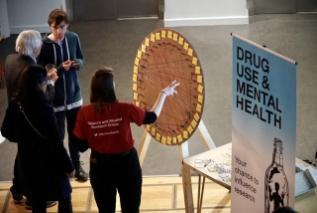
Research theme gallery



Research groups
Below are a list of research groups that operate within and alongside this research theme in the School of Psychology and Neuroscience
- Translational and Applied Research Group (TARG)Originally established in 2007, we explore the psychological and biological factors that drive health-related behaviours, with a particular focus on nicotine and tobacco use, alcohol, other drugs, mental health, and neurodiversity. Our research has shaped legislation and public health policies in the UK and internationally.
- Behavioural Interventions Group (BIG)The BIG team brings together expertise across psychology, public health and social science. Our focus is on developing and evaluating interventions that promote sustainable, meaningful change to improve health outcomes.
- Technology, Democracy, and Cognition Group (TeDCog)The TeDCog group is an interdisciplinary group hosted mainly in the School of Psychology and Neuroscience that examines the pressure points between human cognition and online technologies, and the consequences for democracy that arise from those pressure points.