
Study progress
Stage 1 of the DIPP project is complete
We've carried out a review of the published literature on different types of eye imaging. Our aim was to find out which types of eye imaging were better at detecting swelling at the back of the eye (papilloedema).
Even though some eye imaging techniques are better than others, our results show that clinicians should not rely on eye scans alone to make an accurate diagnosis; they should also consider the patient’s symptoms, examination findings and medical history.
We surveyed and interviewed GPs and optometrists across the UK to understand how they are currently managing people they suspect to have papilloedema. We also interviewed optometrists and ophthalmologists to gain further insight into the diagnostic and referral procedures for people with suspected papilloedema.
We learnt that there are many diagnostic challenges, workforce pressures, and barriers within the health system that make it difficult for GPs and optometrists to accurately identify people with papilloedema or ask for advice if they need it.
The clinicians we interviewed made several suggestions about how patient care could be improved. These included the introduction of standardised national guidelines for diagnosis and referral of patients to hospital.
Stage 2 of the DIPP project is complete
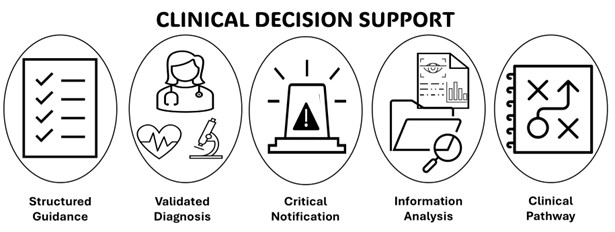
After summarising our findings from stage 1, we invited a group of experts to consider our findings and develop a decision support tool to help GPs, optometrists, and patients to recognise the symptoms and signs of papilloedema and when a hospital assessment is necessary.

The clinical decision tool was developed via a Delphi process (a series of questionnaires and meetings), which is an established method to reach agreement amongst different experts.
Patients and public members with relevant lived experience also contributed to the Delphi process to ensure their views were addressed by the decision tool and to ensure the patient-version of the decision tool was easy to use. Paper and digital versions of the tool have been developed.
Alongside the Delphi process, we are working with professional bodies, such as the College of Optometrists, Royal College of General Practitioners and Royal College of Ophthalmologists to create some eLearning resources about papilloedema and pseudopapilloedema for health professionals.
We are now seeking funding for stage 3 of the DIPP project
In the next stage of the DIPP project, we would like to test:
- how well the clinical decision tool identifies people with papilloedema
- what health professionals and patients think about how easy it is to use, and
- whether they follow the advice of the decision tool.
Next, we plan to find out if the clinical decision tool improves clinical practice and patient care. We will check that health professionals and patients find it easy to use and will continue to use it. We will also look at whether using the clinical decision tool helps reduce the costs of patient care, which could support its continued use across the NHS.
Do you want to learn more about our work?
Some of our work has been presented at academic conferences and by news outlets. Publications in scientific and professional journals will be listed on the DIPP study news page once they are openly available.