
University pays tribute to Her Majesty The Queen
The University of Bristol today pays tribute to Her Majesty The Queen, the longest-reigning monarch in British history, who has sadly passed away.
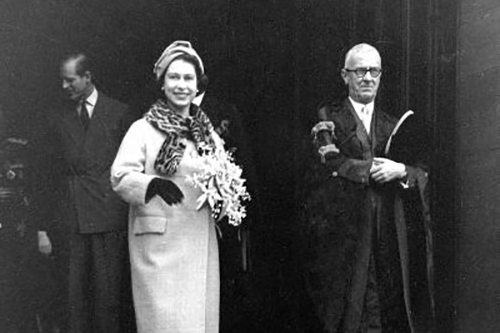
The University of Bristol today pays tribute to Her Majesty The Queen, the longest-reigning monarch in British history, who has sadly passed away.

Chemistry student and top University Challenge fan Tess Richardson will lead Bristol’s team as they kick off Jeremy Paxman’s last series tonight.

People smoke more when smoking cigarettes from larger size packs, according to new research published in the journal Addiction today [3 November].

NASA’s James Webb Space Telescope has captured the first clear evidence for carbon dioxide in the atmosphere of a planet outside the solar system.

University of Bristol dental students Holly Wilson and Wiktoria Rejniak have been teaching young Peruvian children how to perfect their smiles.
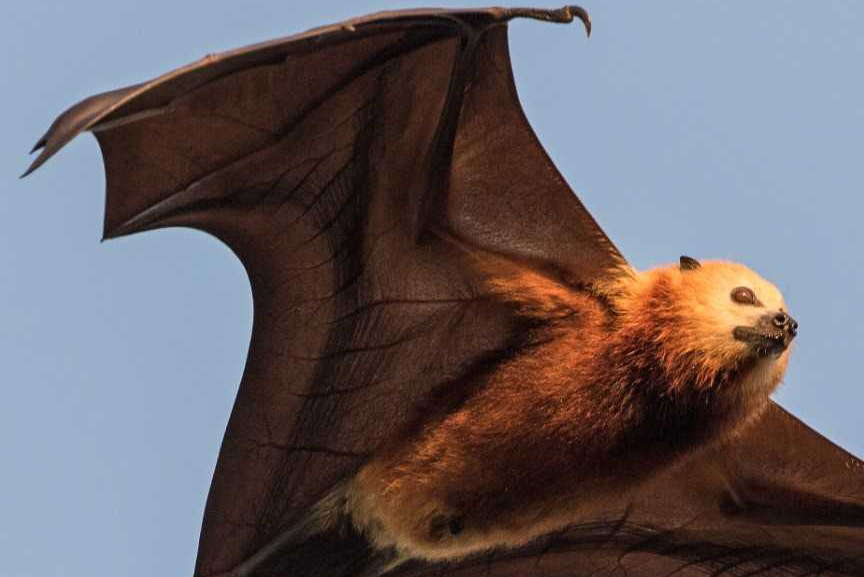
A large fruit-eating bat native to Mauritius is the subject of controversy over the announcement of a major cull to protect the Indian island's fruit crops, despite a lack of evidence as to the extent of damage directly attributed to the endangered species.
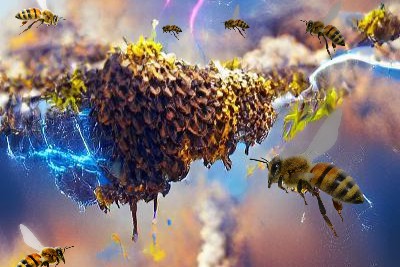
The electric charge of insects can cause changes in the electricity of the atmosphere which are comparable with weather processes, researchers at the University of Bristol and University of Reading have found.
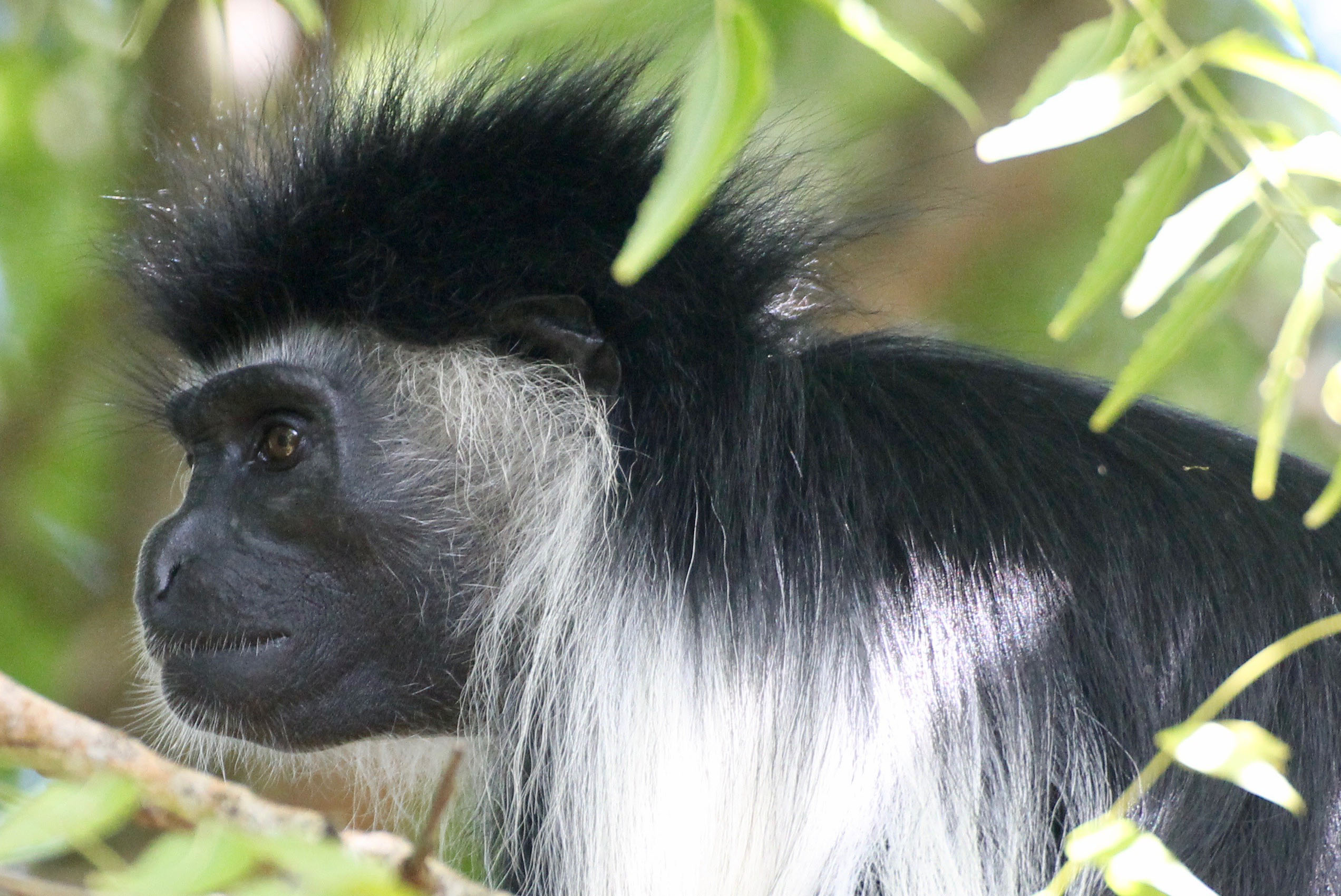
New research has mapped and analysed the incidence of primate electrocutions in Diani, Kenya to identify hotspot areas that should be prioritised to reduce the risk of electric shock. The study could also inform conservation strategies in other parts of the world where primate electrocutions are common. Electrocution threatens a wide range of primate species across the world and the hazard could become more widespread as species are increasingly restricted to human-dominated landscapes.

Next Tuesday will mark exactly 100 years since the BBC was founded and a public lecture is being held in Bristol charting its acclaimed history and future challenges.
A new study by scientists at the University of Bristol has shown that ancient global warming was associated with intense rainfall events that had a profound impact on the land and coastal seas.