
Translational Health Sciences

Age and gender impacts effectiveness of new gene therapy treatments for eye diseases, new study finds

Older women could be vulnerable to harmful inflammation from new gene therapies to treat incurable eye diseases, new research has found. The University of Bristol-led study, published in Molecular Therapy, reveal how age and gender affects inflammation caused by gene therapy treatments and could cause damage to the eye. The findings could help improve the therapy’s effectiveness for eye conditions and highlights the need for personalised treatment to reduce risk and ensure a better outcome for all patients.
New heart valve could transform open heart surgery for millions of patients globally

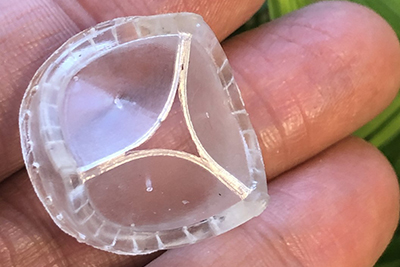
A new polymeric heart valve with a life span potentially longer than current artificial valves that would also prevent the need for the millions of patients with diseased heart valves to require life-long blood thinning tablets has been developed by scientists at the universities of Bristol and Cambridge. The team's latest in-vitro results, published in Biomaterials Science, suggest that the PoliValve could last for up to 25 years.

Study reveals stark ethnic and social disparities in stillbirths within individual hospitals and healthcare trusts in England

Stillbirth rates are known to be higher for Black and Asian women than for white women, and those living in the most deprived areas are more at risk than those in the least deprived areas. Now a new University of Bristol-led study published in the Journal of Obstetrics & Gynaecology (BJOG) today [16 May] reveals that these disparities exist even within individual hospitals and NHS Trusts.

£2.5 million for largest trial to improve outcomes from treatment for blocked leg arteries

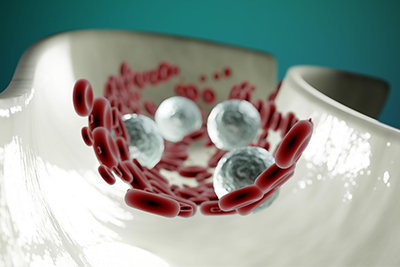
Blocked leg arteries – often caused by diabetes or smoking – are very common, but if left untreated can lead to amputation, or even death. To improve blood flow, a procedure called an angioplasty is usually carried out, with patients given blood-thinning drugs afterwards. A new trial led by North Bristol NHS Trust, in collaboration with the University of Bristol and the Centre for Trials Research at Cardiff University, will compare three commonly prescribed blood-thinning tablets to find out which works best.