
Jurassic ichthyosaurs divided food resources to co-exist, researchers find
Early Jurassic ichthyosaur juveniles show predatory specialisations, scientists at the University of Bristol have revealed.
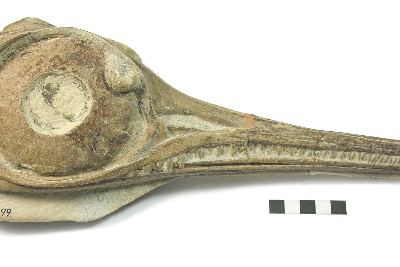
Early Jurassic ichthyosaur juveniles show predatory specialisations, scientists at the University of Bristol have revealed.
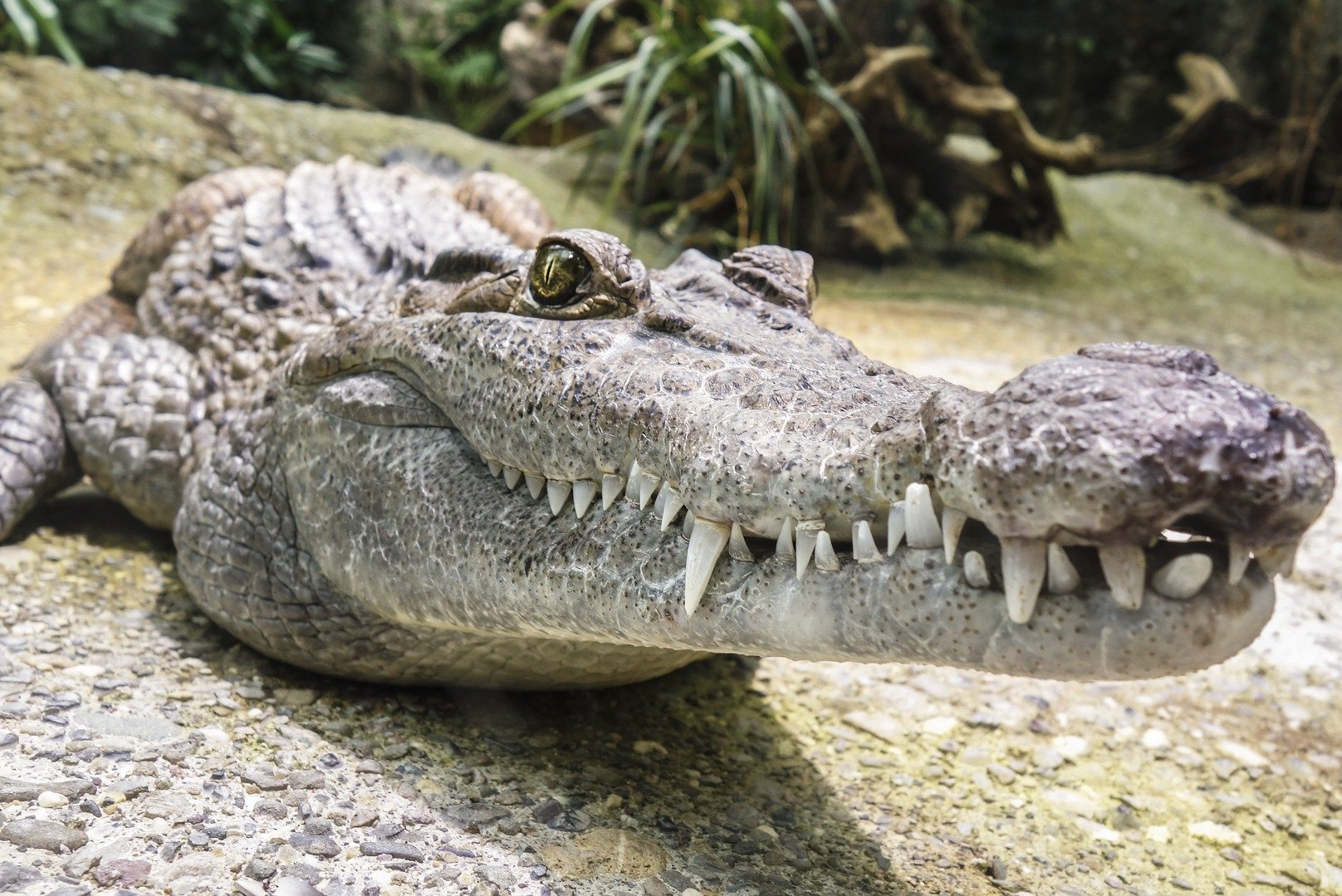
New research by scientists at the University of Bristol explains how a ‘stop-start’ pattern of evolution, governed by environmental change, could explain why crocodiles have changed so little since the age of the dinosaurs.

A new study, led by researchers at the Universities of Bristol, Exeter and Bath, helps to shed light on the winter weather we may soon have in store following a dramatic meteorological event currently unfolding high above the North Pole.
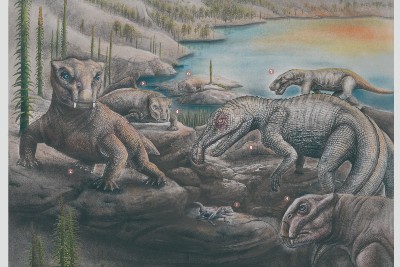
Over the course of Earth’s history, several mass extinction events have destroyed ecosystems, including one that famously wiped out the dinosaurs. But none were as devastating as “The Great Dying,” which took place 252 million years ago during the end of the Permian period.
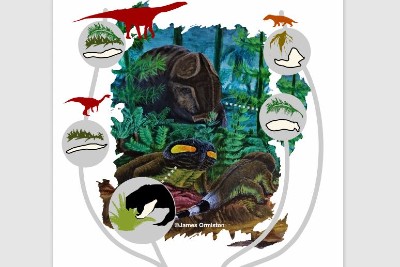
The evolution of herbivores is linked to the plants that survived and adapted after the ‘great dying’, when over 90% of the world’s species were wiped out 252 million years ago.
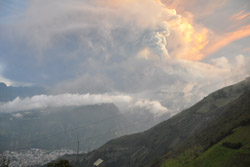
New research by the University of East Anglia (UEA), and co-authored by the University of Bristol, shows that ‘shadow networks’ linking volunteers with authorities can help keep some of the millions of people living near dangerous volcanoes safer.
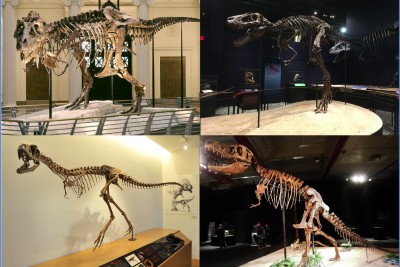
By closely examining the jaw mechanics of juvenile and adult tyrannosaurids, some of the fiercest dinosaurs to inhabit earth, scientists led by the University of Bristol have uncovered differences in how they bit into their prey.
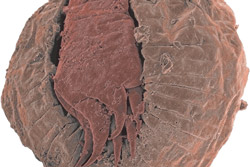
The origin of animals was one of the most important events in the history of Earth. Beautifully preserved fossil embryos suggest that our oldest ancestors might have existed a little more than half a billion years ago.
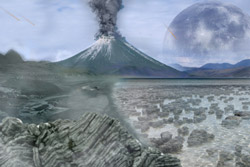
A team of scientists led by the University of Bristol has provided new insights into the origins of the Archaea, the group of simple cellular organisms that are the ancestors of all complex life.
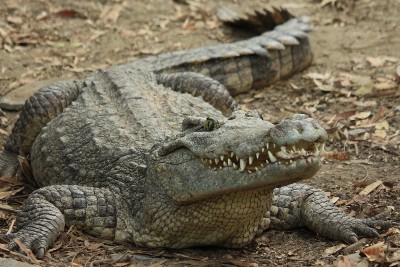
New research led by the University of Bristol has revealed that crocodiles once flourished on land and in the oceans as a result of fast evolution.