
Bristol professor’s volcano research recognised in New Year Honours
The Queen has bestowed a special honour on a University of Bristol professor whose volcanology research has helped to protect people living on the Caribbean island of Montserrat.

The Queen has bestowed a special honour on a University of Bristol professor whose volcanology research has helped to protect people living on the Caribbean island of Montserrat.
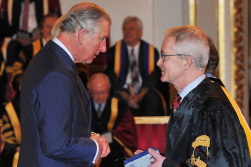
Professor Hugh Brady, Vice-Chancellor of the University of Bristol, Denis Burn, Chair of the Board of Trustees, and Professor Katharine Cashman, leader of Bristol's Volcanology Group have been presented with the Queen’s Anniversary Prize for Higher Education on behalf of the University in a ceremony held at Buckingham Palace yesterday [25 February].
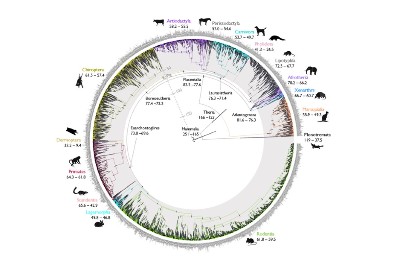
A new study has provided the most detailed timeline of mammal evolution to date.
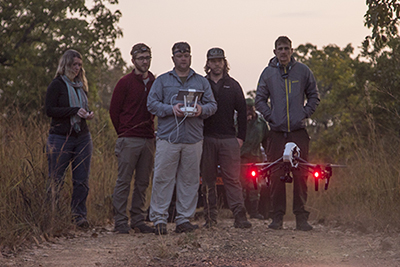
The University of Bristol and the Bristol Zoological Society (BZS) are pioneering a new approach to wildlife conservation, involving machine-learning and drone technology, which could impact wildlife conservation projects worldwide.
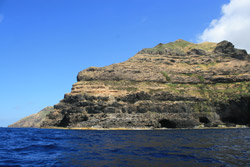
It has been a well-established fact that, as they get older, ocean islands slowly sink.
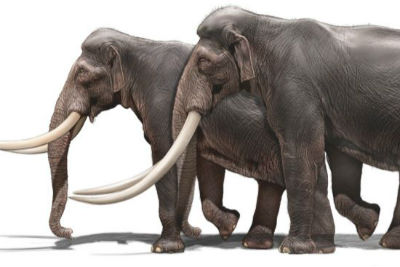
About 800,000 years ago, the giant straight-tusked elephant Palaeoloxodon migrated out of Africa and became widespread across Europe and Asia.
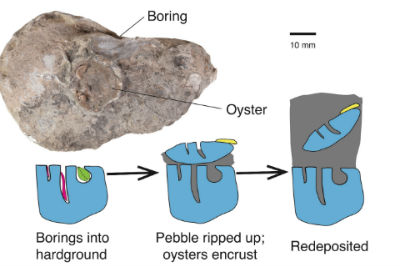
In a new study, University of Bristol geologists show how the Mendip Hills in Somerset were overwhelmed by the ocean more than 200 million years ago.
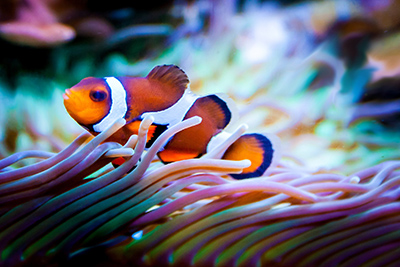
Hormonal changes caused by motorboat noise cause clownfish to hide, skip meals and attack their neighbours - putting damselfish in distress.
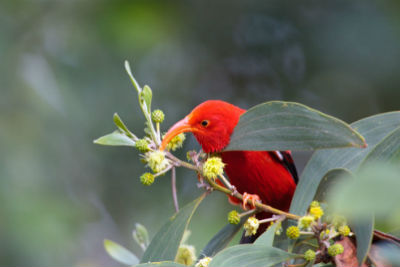
Darwin’s finches are among the most celebrated examples of adaptive radiation in the evolution of modern vertebrates and now a new study, led by scientists from the University of Bristol, has provided fresh insights into their rapid development and evolutionary success.
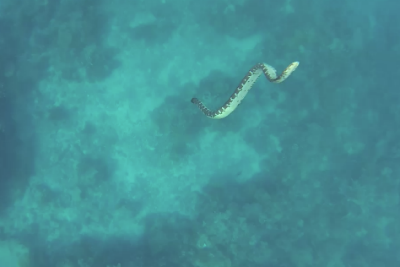
New research has revealed the evolution of colour vision in elapid snakes following their transition from terrestrial to fully marine environments, and for the first time, provided evidence of where, when and how frequently the species have adapted their ability to see in colour.