
Scientists discover what was on the menu of the first dinosaurs
The earliest dinosaurs included carnivorous, omnivorous and herbivorous species, according to a team of University of Bristol palaeobiologists.
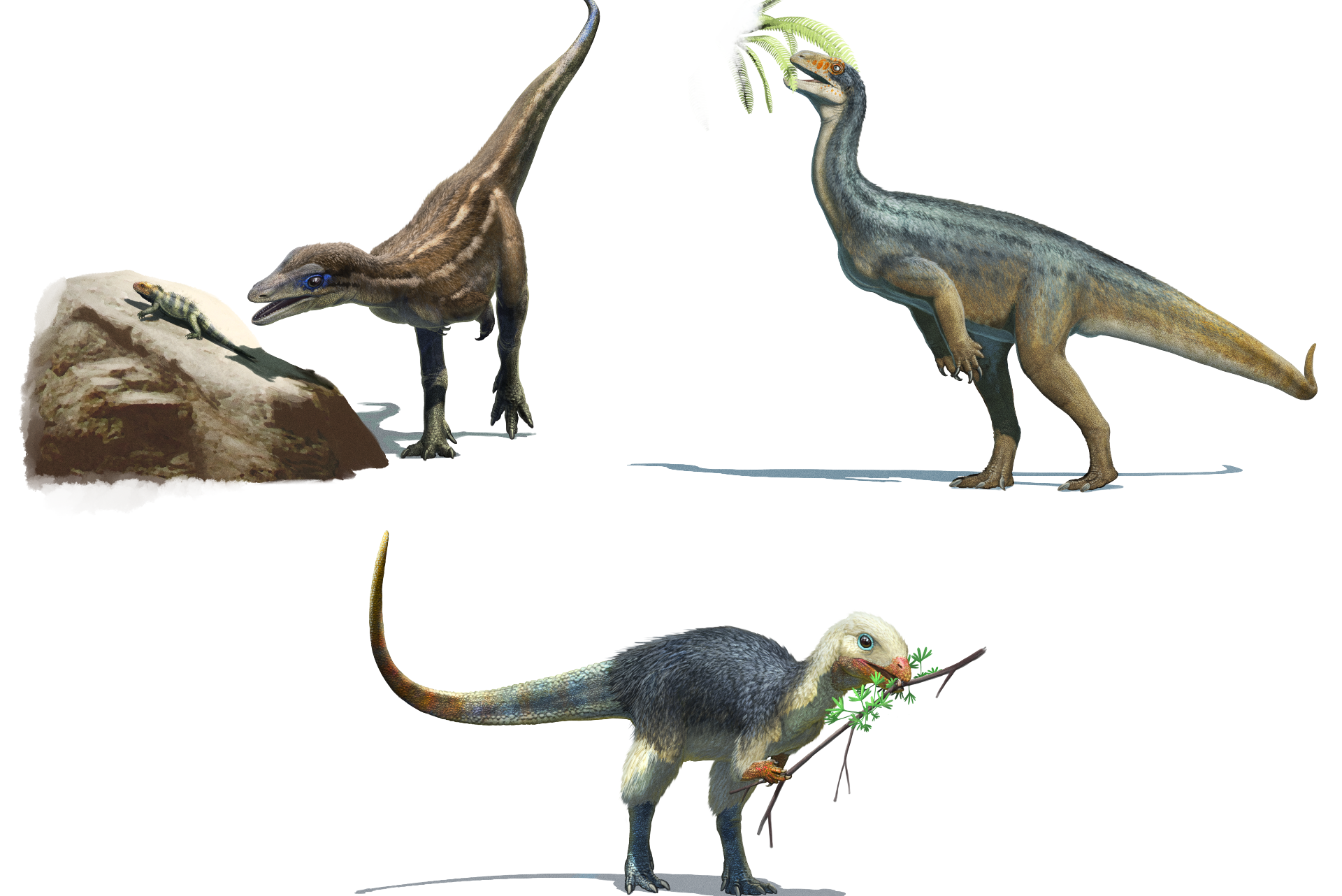
The earliest dinosaurs included carnivorous, omnivorous and herbivorous species, according to a team of University of Bristol palaeobiologists.

A major new project is inviting people to its virtual launch event, to find out more about how it will be working with people of African and Caribbean heritage to tackle HIV infections and stigma in these communities in Bristol and the surrounding area.
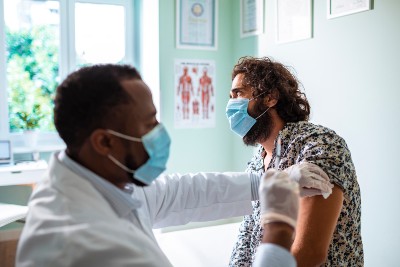
International experts are joining forces to combat vaccine hesitancy by tackling its root cause – misinformation – and arming key influencers with the facts.

A new systematic review and meta-analysis by an international group of researchers has found giving a blood thinning drug (thrombolysis) before treatment to remove a clot from the brain - known as thrombectomy procedure - to stroke patients, improved mortality rates at 90 days, compared with just thrombectomy procedure alone.
Bristol’s Science Film Festival is set to take place this summer and the organisers of the annual event are calling for submissions from amateur and professional movie makers ahead of the festival’s July showcase. Film-makers behind shortlisted films will have their films screened and a chance to win cash prizes.
Professor Robert Bickers’ new book on China provides a fresh, accessible and comprehensive account of how China overcame foreign domination in the 20th century to go on to become the world’s second largest economy.

A new study published in Nutrition Research has found that children born to a mother with low intake of Vitamin B12 during pregnancy were at increased risk of adverse development specific to certain speech and mathematical abilities.

A UK-backed mission involving the University of Bristol, which will observe huge swathes of ocean and surface water in unprecedented detail, has launched into space.

A new tool which is able to identify early in pregnancy a woman’s chance of preterm birth or of developing problems with the placenta that may lead to stillbirth will be tested across 26 NHS Trusts for 36 months. The University of Bristol-led trial, will test the Tommy's App, a Clinical Decision Support Tool and will involve around 39,000 women each year.
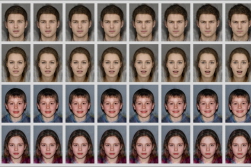
Young people with autism spectrum conditions (ASC) have difficulties recognising and distinguishing between different facial expressions, according to research from one of the largest studies to look at emotion recognition in children and adolescents with ASC. The University of Bristol findings are published today [31 Mar 2017] in the Journal of Autism and Developmental Disorders.