
Legacy of brilliant young scientist is a major leap in quantum computing
Researchers from the University of Bristol and Université Libre de Bruxelles have theoretically shown how to write programs for random circuitry in quantum computers.

Researchers from the University of Bristol and Université Libre de Bruxelles have theoretically shown how to write programs for random circuitry in quantum computers.
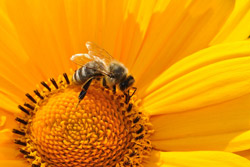
Scientists from the University of Bristol have discovered that bumblebees have the ability to use ‘smelly footprints’ to make the distinction between their own scent, the scent of a relative and the scent of a stranger.
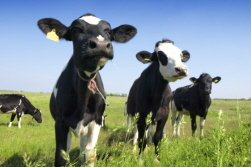
Evidence suggests the frequent use of certain antimicrobials (AM) in food-producing animals may reduce their effectiveness as treatments for both animals and humans. Researchers at the University of Bristol’s School of Veterinary Sciences are finding novel ways to address these concerns, working with farmers to empower them to develop policies to promote more responsible use of medicines on farms.
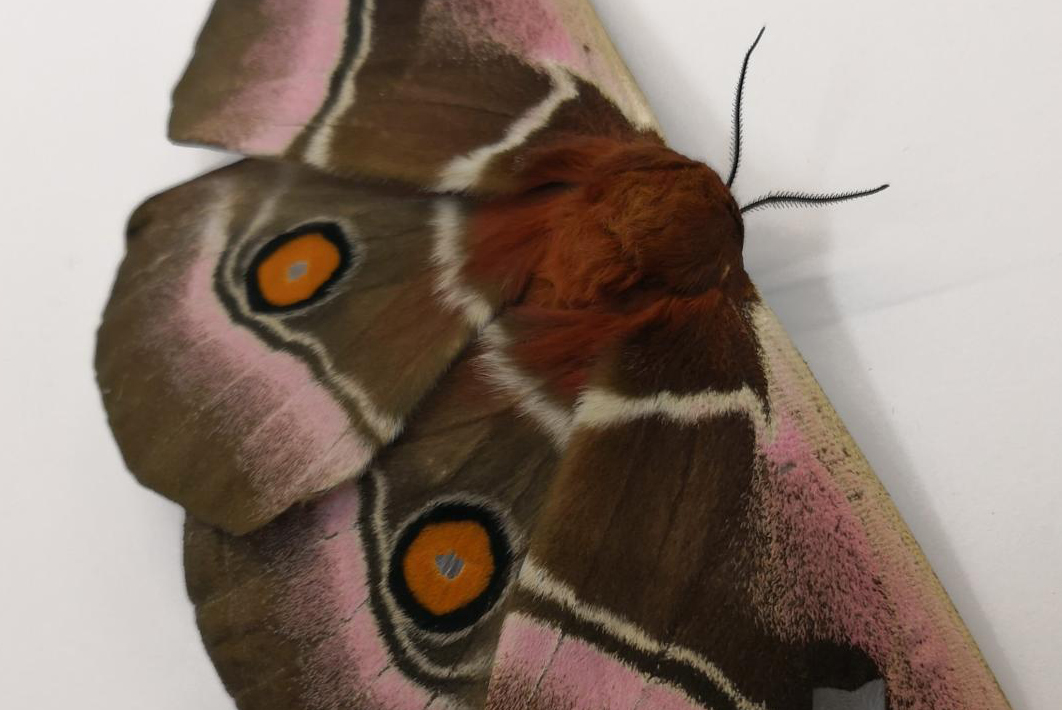
Moths are a mainstay food source for bats, which use echolocation (biological sonar) to hunt their prey. Scientists from the University of Bristol are studying how moths have evolved passive defences over millions of years to resist their primary predators.

Scientists at the University of Bristol have developed new virtual reality (VR) cloud-based tools to help academics and industry progress new drugs, materials and boost the teaching of chemistry.

University of Bristol-led research on the primary healthcare response to gender violence in Palestine and Brazil has been awarded almost £600,000 from the Medical Research Council (MRC)’s Global Challenges Research Fund.

Building on existing information and databases relating to volcanic fatalities, scientists from the University of Bristol have, for the first time, been able to classify victims by activity or occupation and look at the distance of their death from the volcano.
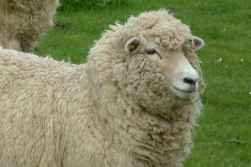
Animals need to measure the time of year so that they can anticipate and adapt to the arrival of a new season to align reproduction, as well as other vital functions critical for survival. A new study, conducted at the University of Bristol, has identified how animals measure annual time to control seasonal fertility.
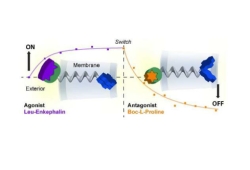
Researchers from the University of Bristol have found a way to mimic the way cells in living organisms ‘talk’ to the world around them by creating a world-first synthetic receptor which can respond to chemical signals just like its natural equivalent.

The University of Bristol has secured substantial funding in all three large grants recently awarded under an initiative to strengthen ties between the UK and China.