Bristol to collaborate with Evotec to help treatment of kidney diseases
A new collaboration to help patients with nephrotic syndrome, a type of kidney disease, has been announced today [2 March] by the University of Bristol and Evotec SE.
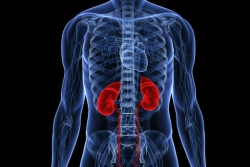
A new collaboration to help patients with nephrotic syndrome, a type of kidney disease, has been announced today [2 March] by the University of Bristol and Evotec SE.
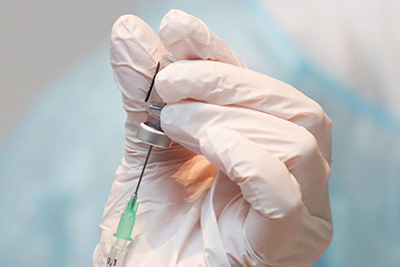
Protection against severe COVID-19 by two doses of Pfizer-BioNTech and AstraZeneca COVID-19 vaccines remained high up to six months after second doses, finds new research which analysed NHS health record data on over seven million adults. Reassuringly, the University of Bristol-led study published in The BMJ today [July 20], found protection in older adults aged over 65 years, and in clinically vulnerable adults.

It has been announced today [19 April] that the University of Bristol will be joining a new MRC national genetics network for disease modelling comprising 7 challenge-led research clusters, with members distributed across the UK.
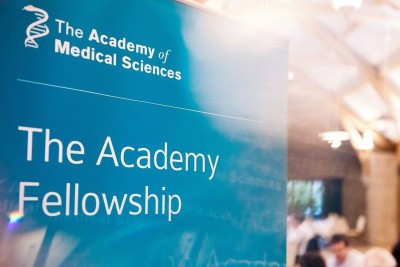
Imre Berger, Professor of Biochemistry and Chemistry and Director of Bristol’s Max Planck Centre for Minimal Biology has been elected as a Fellow of the Academy of Medical Sciences for his outstanding contributions to biomedical science and notable discoveries during the COVID-19 pandemic.

As yesterday’s Queen’s Speech outlined government plans for changes to the Mental Health Act 1983, a study has highlighted the challenging experiences for family members of people detained.
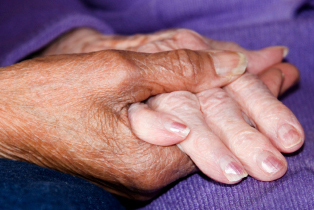
Researchers from the University of Bristol have highlighted the potentially negative impact the deaths at Gosport War Memorial Hospital may have on end-of-life care delivered at home.
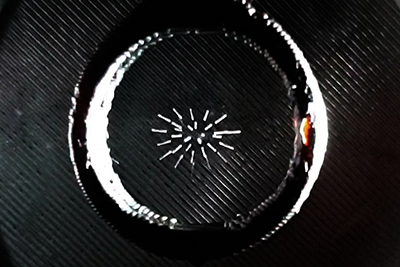
The SARS-CoV-2 virus can lose 90% of infectivity when in aerosol particles within 20 minutes, according to new University of Bristol findings. The study, published in the journal of the Proceedings of the National Academy of Sciences (PNAS), is the first to investigate the decrease in infectivity of SARS-CoV-2 in aerosol particles over periods from seconds to a few minutes. The aim of the study was to explore the process that could change viral infectivity over short timescales following exhalation.

New research shows that lifelong excess weight almost doubles a woman’s risk of developing womb cancer*, according to a Cancer Research UK-funded study led by the University of Bristol and published today [19 April] in BMC Medicine**.
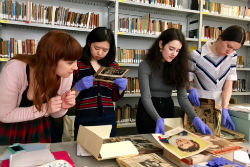
Two new exhibitions have gone on display at the University of Bristol’s Theatre Collection, curated by History of Art students.
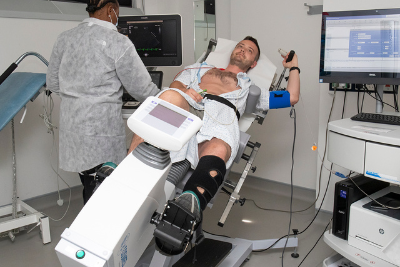
Bristol-based study Children of the 90s has helped improve understanding of the causes and treatment of long COVID.