
Inhaled antibiotics could help reduce antimicrobial resistance
Using inhaled antibiotics to treat lower respiratory tract infections could help reduce antimicrobial resistance, according to researchers from the Universities of Bristol and Bath.

Using inhaled antibiotics to treat lower respiratory tract infections could help reduce antimicrobial resistance, according to researchers from the Universities of Bristol and Bath.

Some public venues may need better ventilation to prevent the spread of COVID-19 following growing evidence of the potential for 'long distance' airborne transmission of the disease, suggests research published by The BMJ today [29 June].
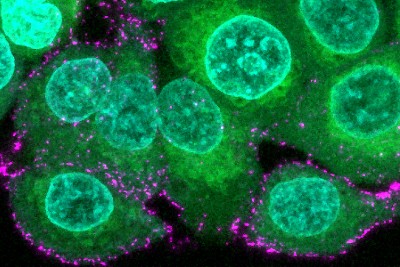
SARS-CoV-2-infected individuals could have different variants hidden in different parts of the body.

Researchers studying ancient sea bed burrows and trails have discovered that bottom burrowing animals were among the first to bounce back after the end-Permian mass extinction.

As much of the UK and Europe swelters under heatwave conditions, new research led by scientists from the University of Bristol has produced compelling evidence that loss of life through increased heat stress during heatwaves can be limited if we stabilise climate at the lower of the Paris Agreement climate goals.

The University of Bristol has been ranked fifth for research in the UK, with a remarkable 94% of its research assessed as world-leading or internationally excellent.

Anxiety and depressive symptoms during pregnancy have risen by 51 per cent within a generation according to findings from a major study by the University of Bristol published last week [Friday 13 July].
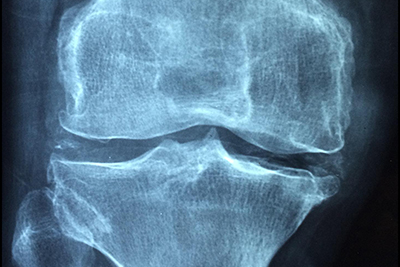
New research has found that weight/body mass index (BMI) policies introduced by NHS commissioning groups in England are associated with a decrease in knee replacement surgery and may be contributing to health inequalities. With one in ten people likely to need a knee replacement, many thousands of patients are directly affected by these policies.
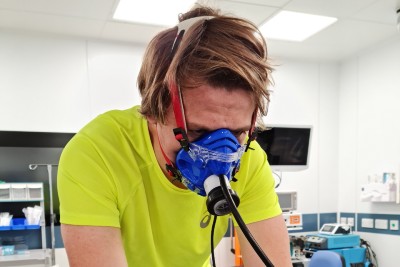
Vigorous exercise does not produce significantly more respiratory particles than speaking, but high-intensity exercise does, finds new University of Bristol-led research. The study, published in Communications Medicine, is the first to measure exhaled aerosols generated during exercise, to help inform the risk of airborne viral transmission of SARS-CoV-2 for indoor exercise facilities and sporting and physical group activities.

New research has revealed an association between the feeding of raw meat to pet dogs and the presence of bacteria resistant to critically important antibiotics.