
Rare medieval manuscript telling the legend of Charlemagne discovered in Dundee
An academic from the University of Bristol has identified a rare medieval manuscript in Dundee City Archives.
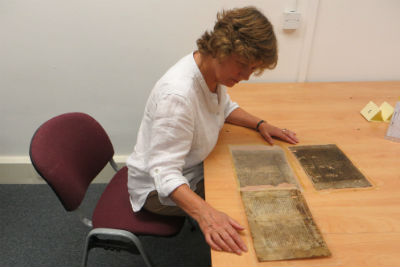
An academic from the University of Bristol has identified a rare medieval manuscript in Dundee City Archives.
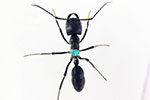
Two insect species from Latin America, the dinosaur ant and the red paper wasp, have been used to uncover the molecular mechanisms underpinning queen and worker roles in social insects. The research by an international team of scientists brings us closer to understanding how genomes are used to generate castes in social evolution.
Three researchers from the University of Bristol have been awarded almost €4.5M in European Research Council (ERC) funding in recognition of their ‘excellent science’ and potentially ground-breaking research.
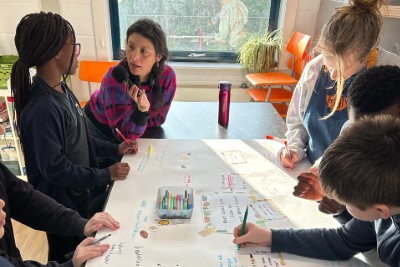
A researcher from the University of Bristol has joined forces with a local charity to share and champion children’s enthusiasm to improve their understanding of food and ability to cook.
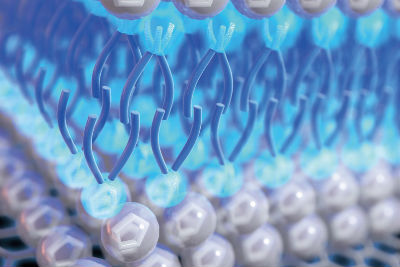
An international team of scientists, including a professor of chemistry from the University of Bristol, has worked out a way to improve energy storage devices called supercapacitors, by designing a new class of detergents chemically related to laxatives.
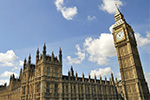
Tinkering with the pension system to make short-term savings would be a major long-term error, historians at the University of Bristol warned the Chancellor today.

The University of Bristol is proud to be sponsoring and taking part in this year’s Bristol Technology Showcase, which will take place at Aerospace Bristol on Friday 8 November. The event will shine a spotlight on emerging technologies and themes encompassed in the fourth industrial revolution, with a focus on how they will affect businesses and wider society as a whole.
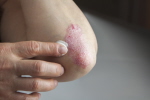
Eczema – an itchy dry-skin condition – affects an estimated one in five children and one in 12 adults in the UK. Genes play an important role in determining how likely we are to develop eczema but the majority of the genes that cause the condition have yet to be detected.

The University of Bristol will receive up to £1.1M to research matter and anti-matter as part of a global science experiment that will inform the debate about why the universe survived the Big Bang.
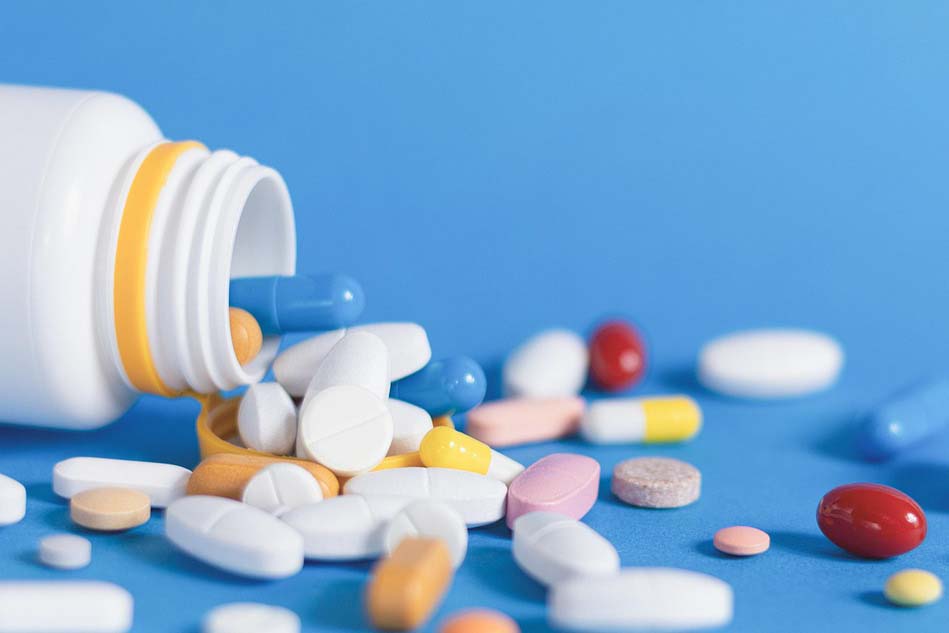
Current NHS policies designed to improve care for people taking multiple medicines may not be effective, according to new research led by the universities of Bristol and Exeter.