
Novel pathology could improve diagnosis and treatment of Huntington’s and other diseases
Bristol scientists have discovered a novel pathology that occurs in several human neurodegenerative diseases, including Huntington’s disease.
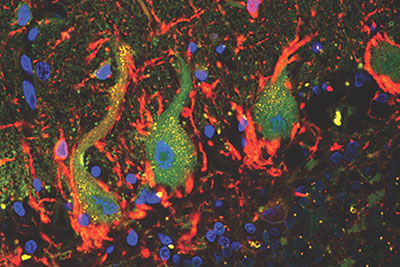
Bristol scientists have discovered a novel pathology that occurs in several human neurodegenerative diseases, including Huntington’s disease.

An international study into the costs and outcomes of informal end of life care has found that in the UK, Ireland and the US, care provided by informal carers, meaning family and friends, accounted for more than half of total care costs in the last three months of life.
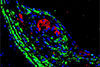
Researchers have found that when the protein matrix metalloproteinase-14 (MMP-14) is reduced or lost, white blood cells, known as macrophages, become good and could prevent hardening of the arteries, rupture and sudden death.

The puzzling behaviour of Titan’s atmosphere has been revealed by researchers at the University of Bristol for the first time.
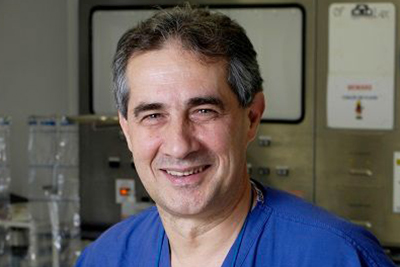
Professor Gianni Angelini, Director of the Bristol Heart Institute at the University of Bristol, and cardiac surgeon at University Hospitals Bristol and Weston NHS Foundation Trust (UHBW), has been honoured with a Lifetime Achievement Award from the International Society for Coronary Artery Surgery for his pioneering work.

A University of Bristol academic who is the Principal Investigator for the Children of the 90s health study has been elected a Fellow of the Academy of Medical Sciences. Professor Nic Timpson joins 53 exceptional biomedical and health scientists from UK institutions selected to the Academy for their exceptional contributions to the advancement of medical science.

The needs of children traumatised through abuse, neglect and loss, combined with a lack of appropriate support from fostering agencies, means that many foster carers are suffering from compassion fatigue, according to new research.

City streets will be illuminated by an exciting showcase of discoveries as the first ever Bristol Bright Night sweeps through the city this week.
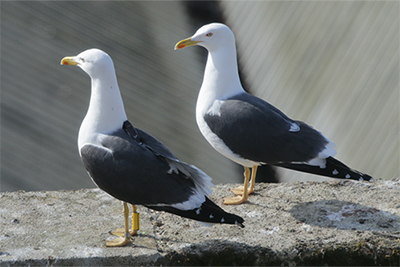
Fitting birds with GPS trackers inside mini backpacks reveals what has been long suspected: urban gulls know exactly when and where to forage for human food.
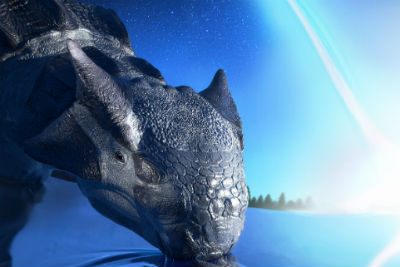
Modelling of the Chicxulub asteroid impact 66 million years ago shows it created a world largely unsuitable for dinosaurs to live in.