
The effectiveness of 3D camouflage
Over 100 years ago, the American artist Abbot Thayer proposed that the reason so many animals are darker on their backs than their bellies is to disguise their 3D shape and so improve camouflage.
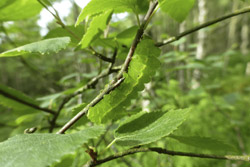
Over 100 years ago, the American artist Abbot Thayer proposed that the reason so many animals are darker on their backs than their bellies is to disguise their 3D shape and so improve camouflage.

The number of young people with anxiety doubled from 13 per cent to 24 per cent, during the early stages of the COVID-19 pandemic and lockdown 1, according to new research from the University of Bristol. The study, using Bristol’s Children of the 90s questionnaire data, showed that young people (27-29 years) reported higher levels of anxiety during the early phases of the pandemic in the first national lockdown and this was higher than their parents.
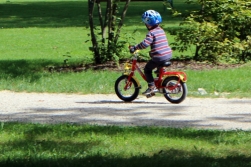
A large-scale UK study of cycling and related safety behaviours, by researchers from Children of the 90s, found children who did a National Cycle Proficiency Scheme course in primary school carried positive cycling behaviour into adulthood.
The Highly Cited Researchers 2020 list recognises 17 University of Bristol researchers reaching the highest sphere of influence in research.

The world is one step closer to having a totally secure internet and an answer to the growing threat of cyber-attacks, thanks to a team of international scientists who have created a unique prototype which could transform how we communicate online.
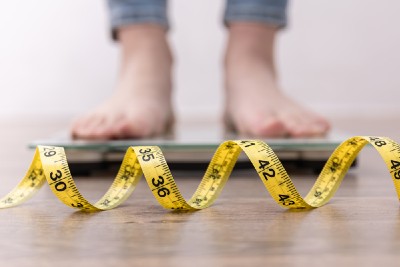
The proportion of adolescents living with overweight or obesity in England has increased by 50% from 2008-2010 (22%) to 2021-2023 (33%) according to two new studies involving University of Bristol researcher, Dr Dinesh Giri. The research is being presented at next month's [11-14 May] European Congress on Obesity (ECO).
Gastric bypass is the most clinically and cost effective form of interventional surgery for people living with severe obesity, reveals landmark research. The new University of Bristol-led trial, funded by the National Institute for Health and Care Research (NIHR), is published today [31 March] in The Lancet Diabetes & Endocrinology.
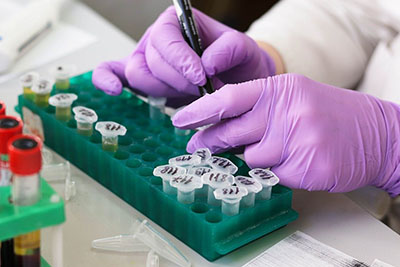
A study looking at how children's immune systems respond to COVID-19, and to vaccines for other infectious diseases, is asking children under the age of 20 who live in the Bristol area to consider taking part. The research project is being run by the Bristol Children’s Vaccine Centre (BCVC) at Bristol Medical School, and the Oxford Vaccine Group which is part of the University of Oxford.
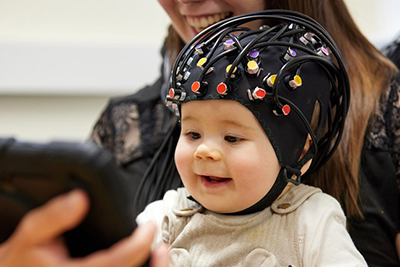
Why do some children struggle when starting school whilst others flourish? A new University of Bristol-led research project will investigate how a child’s brain develops, allowing them to learn new things, and how new experiences might shape brain changes during the first 5 years of their life. This is the first time changes in the brain and children's developing skills have been studied in a lab-based setting across early childhood in the same group of children.
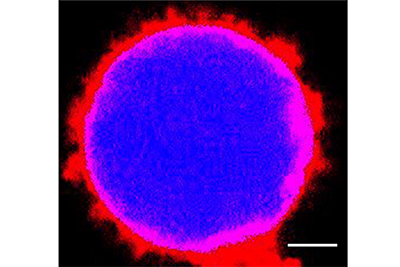
An international team of researchers from Bristol and China has prepared biocompatible protocells that generate nitric oxide gas – a known reagent for blood vessel dilation - that when placed inside blood vessels expand the biological tissue.