
Research creates hydrogen-producing living droplets, paving way for alternative future energy sources
Scientists have built tiny droplet-based microbial factories that produce hydrogen, instead of oxygen, when exposed to daylight in air.
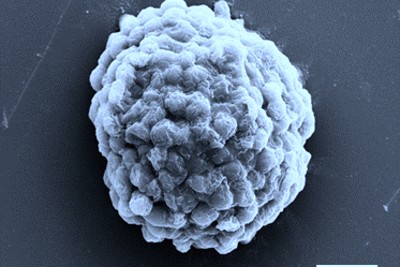
Scientists have built tiny droplet-based microbial factories that produce hydrogen, instead of oxygen, when exposed to daylight in air.
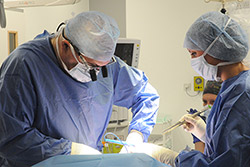
A new national centre, unique in the UK and Europe, that will take research out of the laboratory and closer to the bedside to ensure more patients worldwide can access ground-breaking treatments as quickly as possible will be officially opened today [Thursday 9 June].
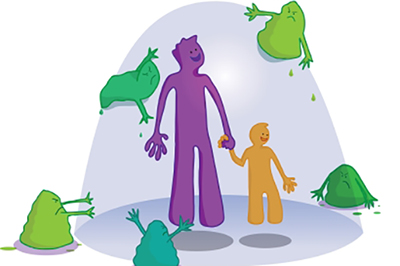
With Covid-19 infections still high and people preparing for Christmas gatherings, it is vitally important to try to reduce the spread of infection in people's homes as this is where infections are now most likely to be transmitted. Research suggests people who follow the advice from Germ Defence are less likely to catch flu or other viruses and less likely to pass it on to members of their household.
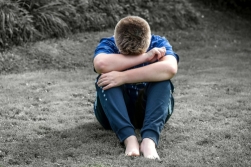
Over 700 children and young people are to take part in the largest clinical trial ever undertaken in Chronic Fatigue Syndrome (CFS), which affects up to two per cent of young people, most of whom do not have access to treatment.
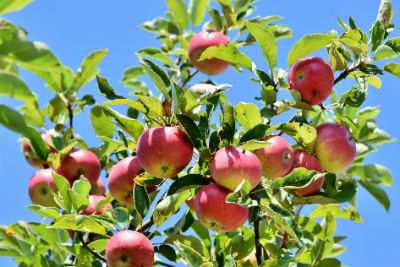
Scientists from the University of Bristol are asking people in the local area who have ‘unknown’ varieties of apple trees in their garden, allotment or neighbourhood to collect a few leaves and send them in to them.
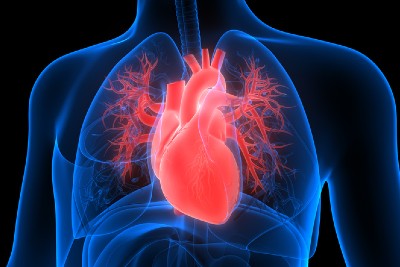
Major reallocation of healthcare services during the COVID-19 pandemic meant that elective surgery in children with congenital heart disease (CHD) was significantly reduced, so that those needing urgent, lifesaving and emergency surgery could be treated. However, this prioritisation of the most severely ill children did not increase overall post-operative complications rates or death, a study led by the University of Bristol has shown.

Stromboli, the ‘lighthouse of the Mediterranean’, is known for its low-energy but persistent explosive eruptions, behaviour that is known scientifically as Strombolian activity. This feature has long been an attraction for tourists and volcanologists from all over the world.
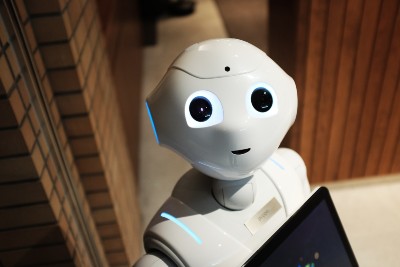
Would you trust a robot surgeon? What about a robot pilot, shop assistant or emergency responder? Would you trust them if they had the ability to adapt and change how they functioned? What would it take to make them trustworthy? These are some of the questions driving a team of social scientists, ethicists, computer scientists and engineers at the University of Bristol.
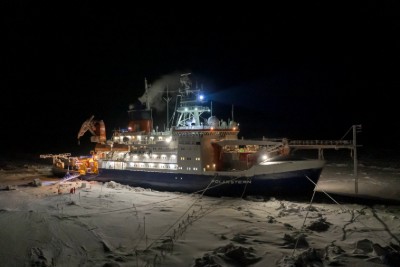
A new study has shed unprecedented light on the highly variable and climate-sensitive routes that substances from Siberian rivers use to travel across the Arctic Ocean. The findings raise fresh concerns about the increasing spread of pollutants and the potential consequences for fragile polar ecosystems as climate change accelerates.
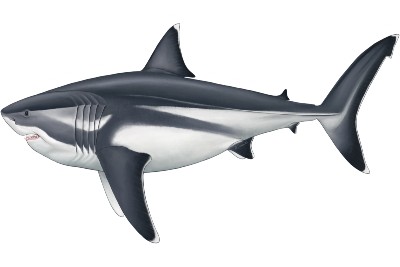
To date only the length of the legendary giant shark Megalodon had been estimated but now, a new study led by the University of Bristol and Swansea University has revealed the size of the rest of its body, including fins that are as large as an adult human.