
Study shows people ‘right size’ portions of high-calorie foods
New research has revealed that humans moderate the size of energy-rich meals they consume, suggesting people are smarter eaters than previously thought.

New research has revealed that humans moderate the size of energy-rich meals they consume, suggesting people are smarter eaters than previously thought.
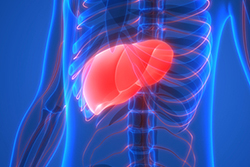
Patients suffering sudden liver failure could in the future benefit from a new treatment that could reduce the need for transplants, research published today shows. The study by scientists at University of Edinburgh MRC Centre for Regenerative Medicine, the Cancer Research UK Beatson Institute in Glasgow, and the University of Bristol, is published in Science Translational Medicine.

The University of Bristol's Smart Internet Lab welcomes the Future Telecoms Infrastructure Review, published this week, and particularly the new spectrum policy that will focus on securing a diverse set of innovative 5G services.

The Bristol Network, which includes North Bristol NHS Trust (NBT), University Hospitals Bristol and Weston NHS Foundation Trust, Gloucestershire Hospitals NHS Foundation Trust, Royal United Hospitals Bath NHS Foundation Trust, has been recognised as a “Tessa Jowell Centre of Excellence” following rigorous expert-led assessments by the Tessa Jowell Brain Cancer Mission (TJBCM).
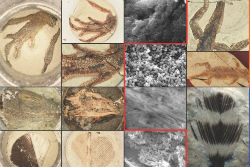
A newly published experimental protocol, involving University of Bristol scientists, could change the way fossilisation is studied.

Sixteen startup companies from SETsquared Bristol, the University of Bristol’s acclaimed tech incubator, will exhibit and demo their innovative products at the flagship Tech-Xpo 2022 showcase on 29 June.
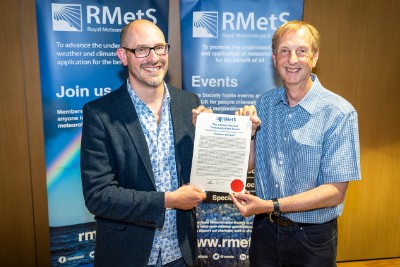
A University of Bristol climate scientist has won a major global award from The Royal Meteorological Society (RMetS).
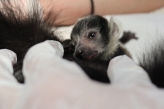
A University of Bristol MSc student who is also a zoo vet carried out a rare procedure with the help of keepers to save the life of a critically endangered new-born lemur at Wild Place Project in Bristol.
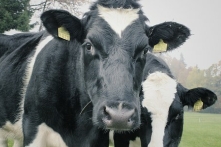
Researchers from the Bristol Veterinary School at the University of Bristol are leading the way with farmers to combat and change antimicrobial (AM) use on farms. Antimicrobial resistance - or AMR - is a global threat, with an estimated 700,000 people dying from resistant infections every year.

Scientists have found further evidence to support the idea that the primary two domains of life, the Archaea and Bacteria, are separated by a long phylogenetic tree branch and therefore distantly related. The findings are reported in a study published today in eLife.