Scientists 'must be allowed to cry' about destruction of nature
Scientists witnessing the destruction of the natural world must be supported and "allowed to cry", researchers say.
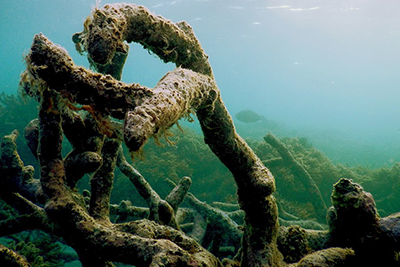
Scientists witnessing the destruction of the natural world must be supported and "allowed to cry", researchers say.
A major new £4.1 million cancer research programme that will focus on new ways to prevent and predict cancer development and progression is announced today [21 Oct] by Cancer Research UK (CRUK) and the University of Bristol.
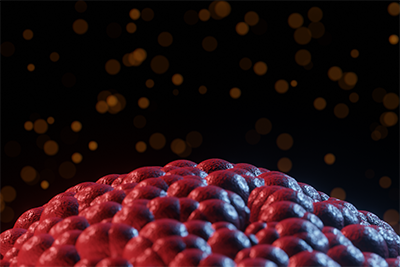
A University of Bristol spin-out company has raised £1.1 million in funding to develop next generation cell therapies that could open new ways to treat solid tumours and improve the lives of 18 million people worldwide who are diagnosed with cancer each year.

Researchers at the University of Bristol have been awarded over £170,000 by the British Heart Foundation (BHF) to produce a graft which may reduce the number of surgeries required to treat children born with certain types of congenital heart disease.
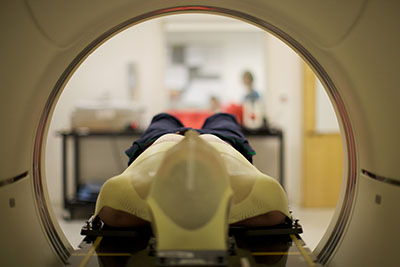
Using MRI scans to target biopsies is more effective at detecting prostate cancers that are likely to need treatment than standard ultrasound guided biopsies alone, according to research published in JAMA Network Open. The research, led by the National Institute for Health Research (NIHR) and Universities of Bristol, Ottawa, Exeter and Oxford, combined the results from seven studies covering 2,582 patients.
Professor Paddy Ireland, currently Professor of Law at the University, has been appointed to Dean of the Faculty of Social Sciences and Law, which will take effect from 16 November 2015.
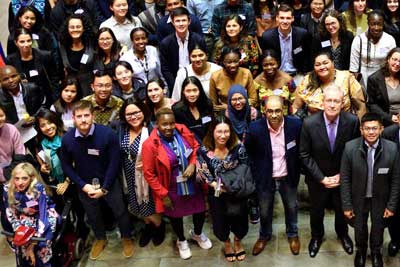
Over 300 scholars, staff and members of sponsor organisations attended the University of Bristol’s International Scholars’ Reception on 24 October.
Three researchers from the University of Bristol have been awarded almost €4.5M in European Research Council (ERC) funding in recognition of their ‘excellent science’ and potentially ground-breaking research.
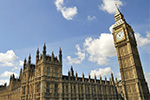
Tinkering with the pension system to make short-term savings would be a major long-term error, historians at the University of Bristol warned the Chancellor today.

The University of Bristol will receive up to £1.1M to research matter and anti-matter as part of a global science experiment that will inform the debate about why the universe survived the Big Bang.