
International

Anonymous cell phone data can quantify behavioral changes for flu-like illnesses, study finds

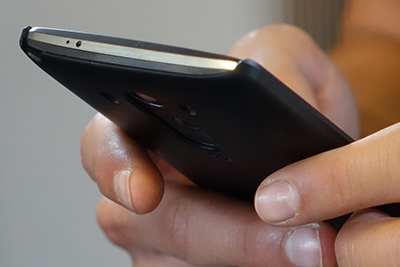
Being prepared for a pandemic, like COVID-19, depends on the ability to predict the course of the pandemic and the human behaviour that drives spread in the event of an outbreak. Cell phone metadata that is routinely collected by telecommunications providers can reveal changes of behavior in people who are diagnosed with a flu-like illness, while also protecting their anonymity, a new study has found. The research, led by Emory University and devised by the University of Bristol, is based on data drawn from a 2009 outbreak of H1N1 influenza in Iceland and published in Proceedings of the National Academy of Sciences (PNAS).

New discovery could be a major advance for understanding neurological diseases

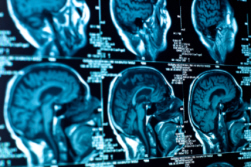
The discovery of a new mechanism that controls the way nerve cells in the brain communicate with each other to regulate our learning and long-term memory could have major benefits to understanding how the brain works and what goes wrong in neurodegenerative disorders such as epilepsy and dementia. The breakthrough, published in Nature Neuroscience, was made by scientists at the University of Bristol and the University of Central Lancashire. The findings will have far-reaching implications in many aspects of neuroscience and understanding how the brain works.

How vitamins, steroids and potential antivirals might affect SARS-CoV-2

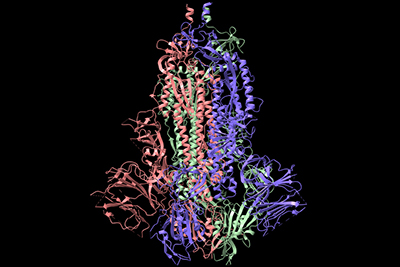
Evidence is emerging that vitamin D – and possibly vitamins K and A – might help combat COVID-19. A new study from the University of Bristol published in the journal of the German Chemical Society Angewandte Chemie has shown how they – and other antiviral drugs – might work. The research indicates that these dietary supplements and compounds could bind to the viral spike protein and so might reduce SARS-CoV-2 infectivity. In contrast, cholesterol may increase infectivity, which could explain why having high cholesterol is considered a risk factor for serious disease.