International

One of the largest cleft research studies in the world welcomes its 10,000th participant

One of the largest research programmes in cleft lip and palate in the world, The Cleft Collective, is celebrating after recently welcoming its 10,000th participant to the study. Led by the University of Bristol, this UK-wide study of children born with a cleft lip and/or palate (a gap in the lip and/or the roof of the mouth) is collecting data which can be used by researchers here in the UK and across the globe to investigate the causes of cleft and the best treatments for it.

New study aims to reduce the use of oral antibiotics for ear infections in children

Middle ear infections, known medically as acute otitis media (AOM), are common painful infections in children, for which there are up to three million treatment episodes in England and Wales each year. They are often treated with antibiotics by mouth. However, these can cause side effects like rashes, diarrhoea and vomiting, and their over-use contributes to the growing global health threat of antibiotic resistance. Researchers from the Universities of Bristol, Southampton, King’s College London and Imperial College London, are collaborating on a new study to investigate alternative treatments, which they hope will reduce unnecessary oral antibiotic use, while relieving painful symptoms and reducing healthcare costs.


£1 million donation to establish a 'living laboratory' for livestock

A groundbreaking 'living laboratory' for livestock will be established at the Bristol Veterinary School thanks to a £1 million donation from the John Oldacre Foundation. The John Oldacre Centre for Sustainability and Welfare in Dairy Production will tackle the global challenge of ethical food security and train the next generation of vets and agriculturalists to help address the major issues facing agriculture.

What are the cost-effective implants in hip replacement surgery?

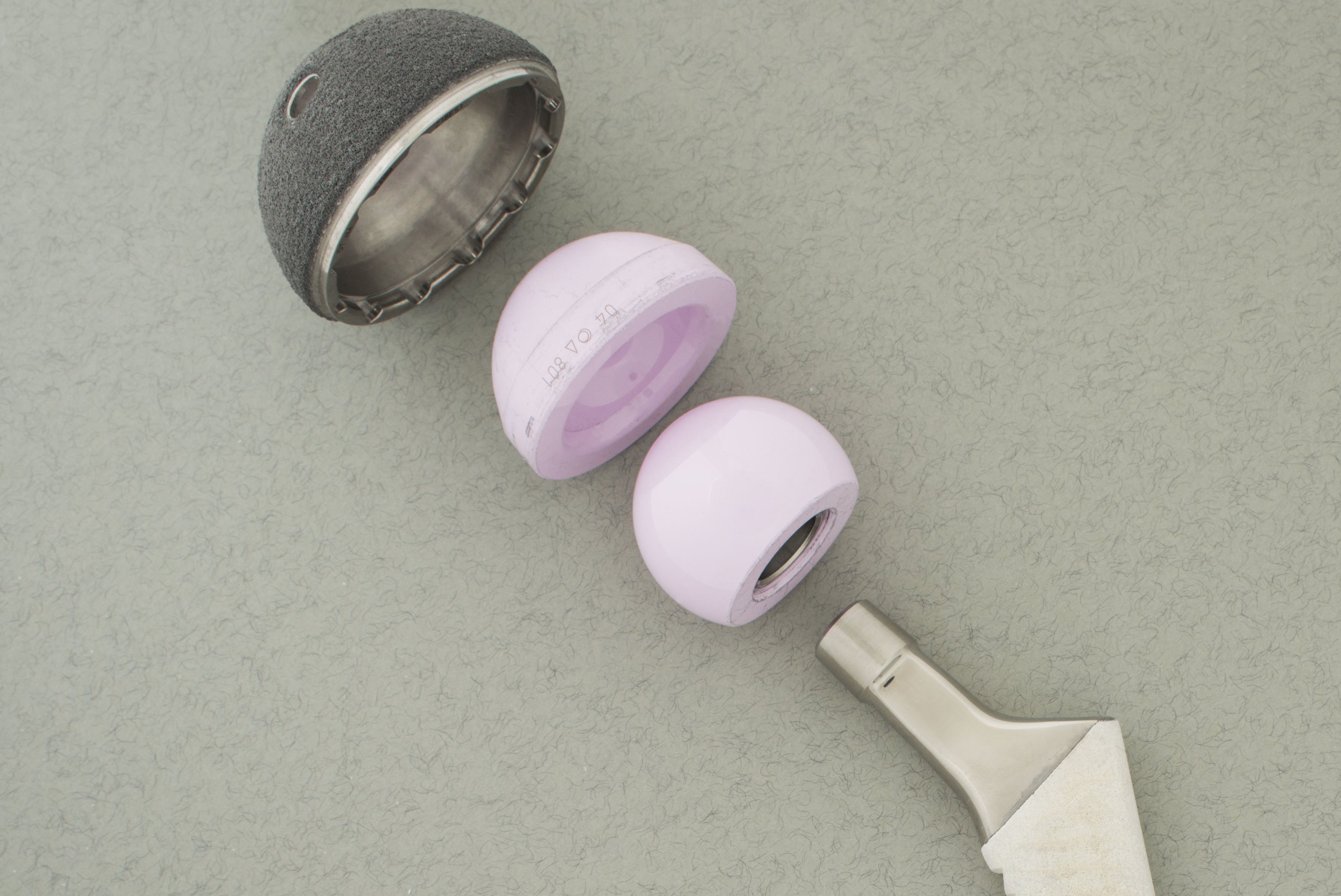
New research led by the Hip Implant Prosthesis Study (HIPS) team at the University of Bristol Medical School has shown that small-head (less than 36 mm in diameter) cemented metal-on-plastic hip replacements are the most cost-effective in men and women older than 65 years. For adults younger than 65, small-head cemented ceramic-on-plastic hip replacements are more likely to be cost-effective. The study found no evidence that uncemented or hybrid hip replacements are cost-effective options, while large-head implant sizes (more than 36 mm) are also not cost-effective.