Faculty of Health Sciences

Powerful new synthetic vaccines to combat epidemics

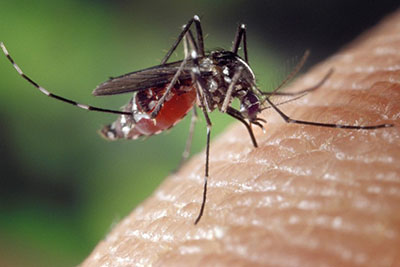
A new type of vaccine that can be stored at warmer temperatures, removing the need for refrigeration, has been developed for mosquito-borne virus Chikungunya in a major advance in vaccine technology. The findings, published in Science Advances today [Wednesday 25 September], reveal exceptionally promising results for the Chikungunya vaccine candidate, which has been engineered using a synthetic protein scaffold that could revolutionise the way vaccines are designed, produced and stored.


Rare variants in health and disease: latest Nature findings from UK10K project published

A detailed study of the genetic data of nearly 10,000 individuals — one of the largest analyses of its kind to date — has been carried out in an effort to explore how rare differences in our genes contribute to human disease. The main findings, led by an international team including researchers from the University of Bristol’s MRC Integrative Epidemiology Unit, are reported in two papers published in Nature and Nature Communications [14 September 2015].

Scientists reveal how a faulty gene leads to kidney disease

New insights into why a faulty gene involved in a devastating form of a kidney condition called nephrotic syndrome leads to disease in some patients have been identified in new Kidney Research UK-funded research led by the University of Bristol. The findings, published in the Journal of the American Society of Nephrology (JASN), could pave the way for new ways to prevent or treat the condition, by revealing new targets to intervene in the process. Around 1 in 50,000 children are diagnosed with nephrotic syndrome each year.