
Faculty of Health Sciences

Risk factors identified for patients undergoing knee replacements

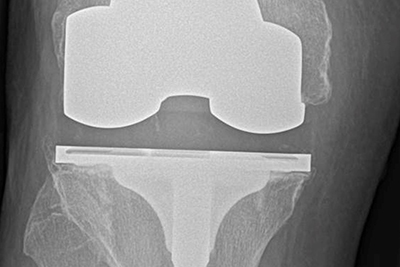
In the largest study of its kind, researchers from the Musculoskeletal Research Unit at the University of Bristol have identified the most important risk factors for developing severe infection after knee replacement. Patients who are under 60 years of age, males, those with chronic pulmonary disease, diabetes, liver disease, and a higher body mass index are at increased risk of having the joint replacement redone (known as revision) due to infection.

New Max Planck-Bristol Centre for Minimal Biology launched

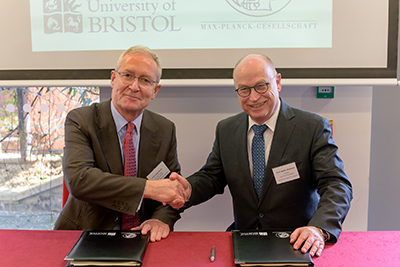
Building stripped-down versions of life using protocells, genome delivery systems and synthetic cytoskeletons comprise some of the groundbreaking research due to take place at a new Centre launched at the University of Bristol today [Wednesday 27 March]. The Max Planck-Bristol Centre for Minimal Biology, a partnership between the University of Bristol and the Max Planck Society for the Advancement of Science (MPG) in Germany, aims to advance the future of health and medicine by understanding the fundamental nature of life.