Study finds 'optimistic' medical detection dogs excel in tasks, while 'pessimistic' dogs shine in scent specificity
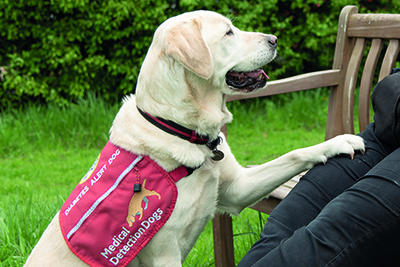
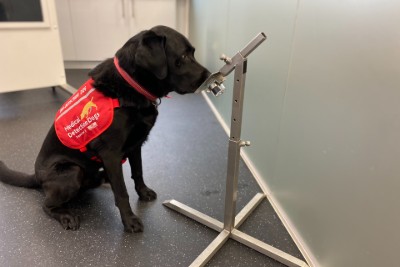
A new study into medical detection dogs — which use their scent detection abilities to detect diseases or assist individuals with chronic health conditions — reveals that dogs displaying more "optimistic" responses in judgment bias tests tend to perform better overall in detection tasks. In contrast, "pessimistic" dogs exhibit greater scent detection specificity. The University of Bristol-led study, published in PLOS One, could offer valuable insights for improving the training, selection, and support of medical detection dogs.