
Event celebrates Outstanding students
Eight Outstanding students have been celebrated at a special awards ceremony.
_thumb.png)
Eight Outstanding students have been celebrated at a special awards ceremony.

Using inhaled antibiotics to treat lower respiratory tract infections could help reduce antimicrobial resistance, according to researchers from the Universities of Bristol and Bath.

Some public venues may need better ventilation to prevent the spread of COVID-19 following growing evidence of the potential for 'long distance' airborne transmission of the disease, suggests research published by The BMJ today [29 June].

Dr David Emery, Research Fellow at Bristol Dental School, passed away on 20 March. His colleagues Shelley Allen-Birt and Nicola West offer a remembrance.

We need to look after young brains: threats including early life adversity, sleep disruption, drug addiction and genetic mutations can all challenge brain development and lifelong mental health. Thanks to funding of over £6.5 million for new brain research, neuroscientists at the University of Bristol hope to alleviate these threats and their burden on patients, carers, clinicians and society.

Anxiety and depressive symptoms during pregnancy have risen by 51 per cent within a generation according to findings from a major study by the University of Bristol published last week [Friday 13 July].
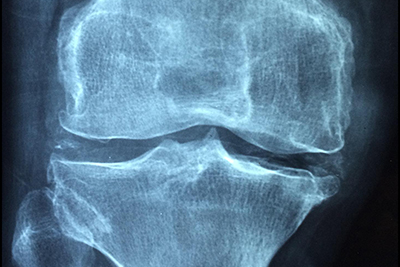
New research has found that weight/body mass index (BMI) policies introduced by NHS commissioning groups in England are associated with a decrease in knee replacement surgery and may be contributing to health inequalities. With one in ten people likely to need a knee replacement, many thousands of patients are directly affected by these policies.

New research has revealed an association between the feeding of raw meat to pet dogs and the presence of bacteria resistant to critically important antibiotics.
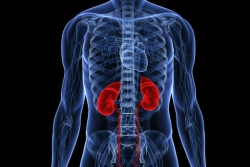
A new collaboration to help patients with nephrotic syndrome, a type of kidney disease, has been announced today [2 March] by the University of Bristol and Evotec SE.
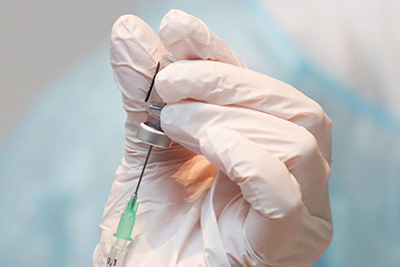
Protection against severe COVID-19 by two doses of Pfizer-BioNTech and AstraZeneca COVID-19 vaccines remained high up to six months after second doses, finds new research which analysed NHS health record data on over seven million adults. Reassuringly, the University of Bristol-led study published in The BMJ today [July 20], found protection in older adults aged over 65 years, and in clinically vulnerable adults.