Faculty of Health Sciences

Laser technology offers breakthrough in detecting illegal ivory

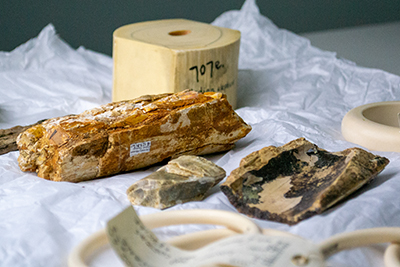
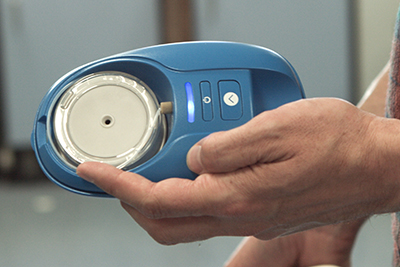
A new way of quickly distinguishing between illegal elephant ivory and legal mammoth tusk ivory could prove critical to fighting the illegal ivory trade. A laser-based approach developed by scientists at the Universities of Bristol and Lancaster, could be used by customs worldwide to aid in the enforcement of illegal ivory from being traded under the guise of legal ivory. Results from the study are published in PLOS ONE today [24 April].

Study highlights potential new approach for early intervention for diabetic patients at risk of kidney disease

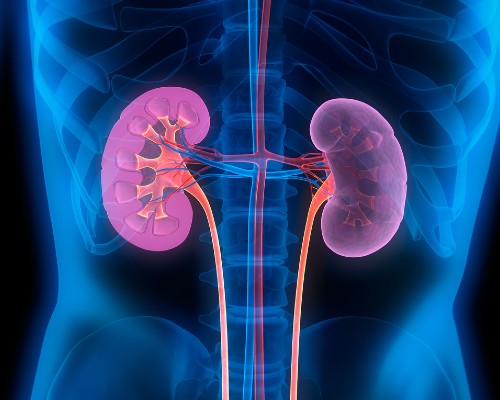
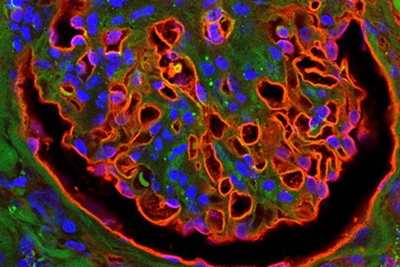
Researchers at the University of Bristol have uncovered a mechanism by which a hormone can protect the blood vessels in the kidneys from the damage caused by diabetes. In doing so, the team has identified a potential early treatment strategy to prevent or slow progression of kidney disease in people with diabetes. The study, part-funded by Kidney Research UK, is published in Diabetes.

Opioid dependence remains high but stable in Scotland, new surveillance report finds

Opioid dependence in Scotland remains high but largely stable, according to a new University of Bristol-led analysis published in Addiction today [18 April] and by Public Health Scotland. The study is the first to estimate the number of people dependent on opioid drugs (such as heroin), and who are in or could benefit from drug treatment, among Scotland’s population since 2015/2016 estimates were published.