
‘Passionate and dedicated’ professor wins Times Higher Education Award
A University of Bristol professor has been praised for his “unstinting dedication” as he won a prestigious Times Higher Education (THE) Award.
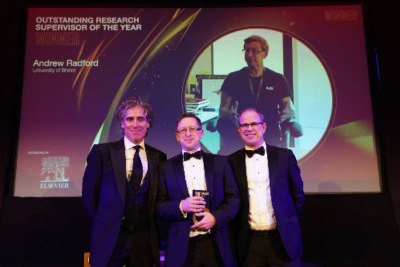
A University of Bristol professor has been praised for his “unstinting dedication” as he won a prestigious Times Higher Education (THE) Award.
Being prepared for a pandemic, like COVID-19, depends on the ability to predict the course of the pandemic and the human behaviour that drives spread in the event of an outbreak. Cell phone metadata that is routinely collected by telecommunications providers can reveal changes of behavior in people who are diagnosed with a flu-like illness, while also protecting their anonymity, a new study has found. The research, led by Emory University and devised by the University of Bristol, is based on data drawn from a 2009 outbreak of H1N1 influenza in Iceland and published in Proceedings of the National Academy of Sciences (PNAS).
Professor Stephen Hallett has been appointed as the Director of the Composites University Technology Centre (UTC), supported by Rolls-Royce, at the University of Bristol.
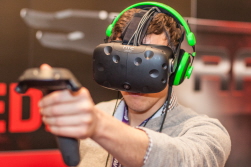
Virtual Reality – or VR - has long been the idea of science fiction but now it is happening and the impact on society is potentially huge. The University of Bristol and the Digital Cultures Research Centre at University of the West of England (UWE Bristol) are sponsoring a special track at this year’s VR World Congress [Tuesday 11 to Thursday 13 April] to encourage debate into what this may mean for everyone.
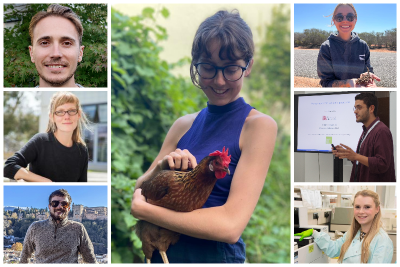
Ways to detect diabetes early, protect against dementia and keep people connected through touch are all ideas that have won in this year’s Doctoral Prizes.
Scientific evidence that was used to inform the UK government’s key policies impacting millions of people during the first wave of COVID-19 including the rule of six and the first national stay-at-home order is published today [31 May] in the journal of the Royal Society. The Special Theme issue is compiled and guest edited by SPI-M scientists including infectious disease modellers Drs Ellen Brooks Pollock and Leon Danon at the University of Bristol.
Three subjects taught at the University of Bristol have been ranked the best in the country, according to the Guardian University Guide 2018.

A student inspiring the next generation of female engineers has been honoured with a special award.

Netflix, BT and Cambridge University Press are the latest to sign up to Bristol's fully operational DIMPACT tool.
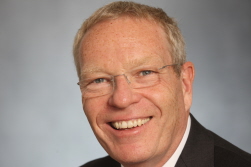
Graeme Hobbs has joined Bristol Is Open as its new Non-Executive Chairman, commencing his role from 2 January 2017. Together with the rest of the Board he will further develop the project in order to successfully make Bristol the first open programmable city in the world.