Bristol Medical School

SARS-CoV-2 Spike protein binds to heart’s vascular cells potentially contributing to severe microvascular damage

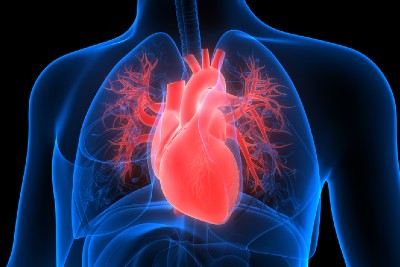
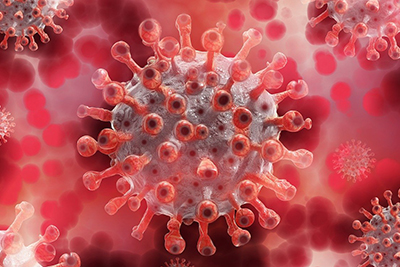
A new study has shown how SARS-CoV-2 may contribute to severe microvascular damage seen in severely-ill COVID-19 patients by transforming human heart vascular cells into inflammatory cells, without infecting them. The University of Bristol-led research, published in Clinical Science, indicates blocking antibodies could represent a new treatment to alleviate cardiovascular complications.

Discovery of novel brain fear mechanisms offers target for anxiety-reducing drugs

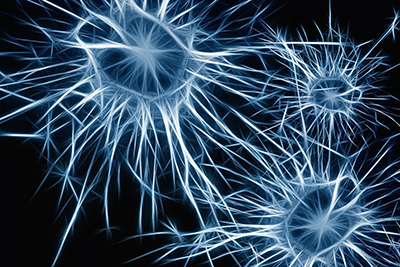
A new target in the brain which underpins the eliciting of anxiety and fear behaviours such as ‘freezing’ has been identified by neuroscientists. The University of Bristol researchers say the discovery of a key pathway in the brain, published in the journal eLife, offers a potential new drug target for treating anxiety and psychological disorders, which affect an estimated 264-million people worldwide.

New evidence on link between obesity and smoking behaviour from genetic data: obese people at higher risk of smoking

A study by the International Agency for Research on Cancer (IARC) provides new evidence that increased weight and obesity may result in increased smoking. The Cancer Research UK (CRUK)-funded study, involving University of Bristol researchers and published today in the British Medical Journal (BMJ), found that increased body mass index (BMI), body fat percentage, and waist circumference were associated both with a higher risk of being a smoker and with greater smoking intensity, measured by the number of cigarettes smoked per day. These results were consistent in both men and women.