
Bristol Medical School

Domestic violence against women: giving friends and relatives the keys to help

Today [Friday 8 March] International Women's Day [IWD 2019] is celebrating the social, economic, cultural and political achievements of women but worldwide, domestic violence and abuse (DVA) is still experienced by almost one in three women. It has become a major public health issue, with profound physical and mental health impact. A research project by the University of Bristol, funded by AXA Research Fund, aims to develop resources that will help informal groups, such as friends and family, support women who experience domestic violence.

£2.5 million for largest trial to improve outcomes from treatment for blocked leg arteries

Blocked leg arteries – often caused by diabetes or smoking – are very common, but if left untreated can lead to amputation, or even death. To improve blood flow, a procedure called an angioplasty is usually carried out, with patients given blood-thinning drugs afterwards. A new trial led by North Bristol NHS Trust, in collaboration with the University of Bristol and the Centre for Trials Research at Cardiff University, will compare three commonly prescribed blood-thinning tablets to find out which works best.

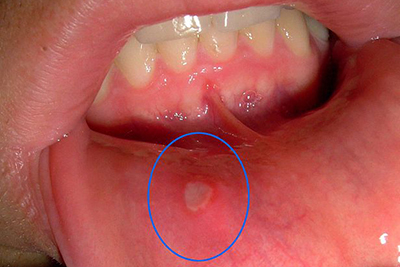
Could genetic breakthrough finally help take the sting out of mouth ulcers?

A large breakthrough has been made in the genetic understanding of mouth ulcers which could provide potential for a new drug to prevent or heal the painful lesions. Mouth ulcers affect up to 25 per cent of young adults and a higher proportion of children. Previous research has shown that mouth ulcers are partially heritable, but until now there has been little evidence linking specific genes or genomic regions to mouth ulcers.

Suspended children are twice as likely to be involved in violence, even when accounting for their behaviour, finds new report

A new study report has found that, even whilst controlling for a range of factors including measures of behavioural difficulties, children who are suspended or excluded from school are still nearly two and a half times more likely to become involved in violence and four and a half times more likely to offend compared to those who have not been suspended or excluded.