University launches new specialist research institutes
The University of Bristol has today (Monday, 20 March) launched seven new research institutes reflecting the University’s strength and depth in key specialisms.
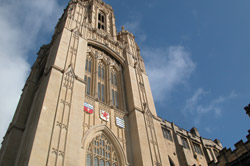
The University of Bristol has today (Monday, 20 March) launched seven new research institutes reflecting the University’s strength and depth in key specialisms.
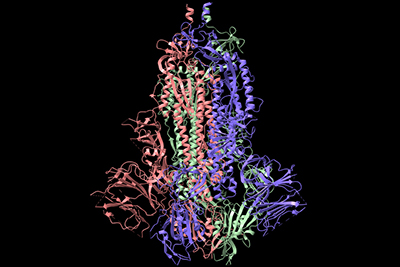
Evidence is emerging that vitamin D – and possibly vitamins K and A – might help combat COVID-19. A new study from the University of Bristol published in the journal of the German Chemical Society Angewandte Chemie has shown how they – and other antiviral drugs – might work. The research indicates that these dietary supplements and compounds could bind to the viral spike protein and so might reduce SARS-CoV-2 infectivity. In contrast, cholesterol may increase infectivity, which could explain why having high cholesterol is considered a risk factor for serious disease.

Dr Thomas Gorochowski, from the University of Bristol’s Bristol BioDesign Institute, has been awarded a prestigious five-year University Research Fellowship by the Royal Society.
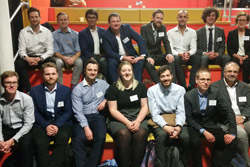
Two start-up proposals have been chosen as the winners of the first competition to discover and accelerate new synthetic biology companies at the University of Bristol
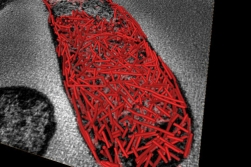
Scientists at the universities of Kent and Bristol have built a miniature scaffold inside bacteria that can bolster cellular productivity, providing the foundation for a new era of cellular protein engineering and biofuel production.

The University of Bristol is hosting an exhibition of the work of four artists as part of BrisSynBio's annual synthetic biology conference.
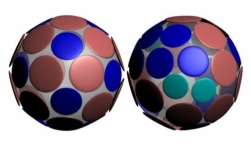
A multidisciplinary team from the Bristol BioDesign Institute has come together to study the self-assembly of protein building into protein cages, leading to new research which has potential applications in nanotechnology and synthetic biology.
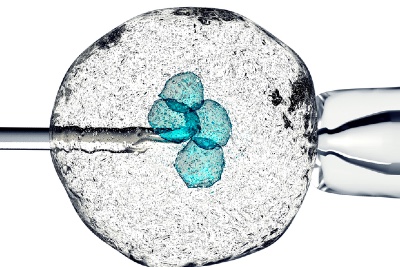
The BBSRC, one of the UK’s largest UK bioscience funders, has announced Bristol will retain its Strategic Partnership (SP) status. The decision was announced this month following BBSRC’s SP member triannual review. Bristol is one of only ten top-funded university partners with this status – which it has retained since 2012 recognising the University’s long-term record for excellence in biosciences research.
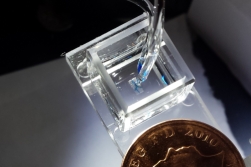
A team from the University of Bristol’s School of Cellular and Molecular Medicine, together with scientists at the University of Oxford, has developed a new method to 3D-print stem cells to form complex living 3D structures.
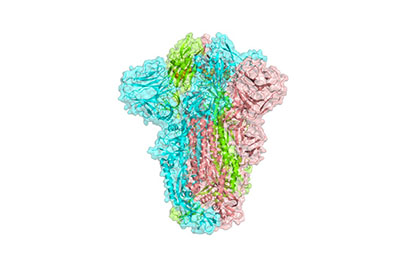
A team of top scientists from the University of Bristol have announced the formation of a new biotech company that is developing ground-breaking and newly patented potential treatments for coronavirus.