
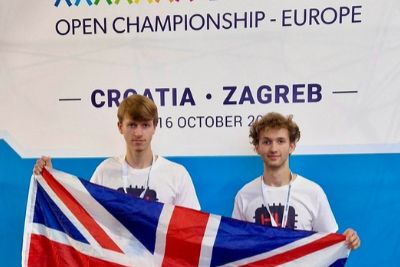
University of Bristol student wins international robotics award for affordable Braille printer
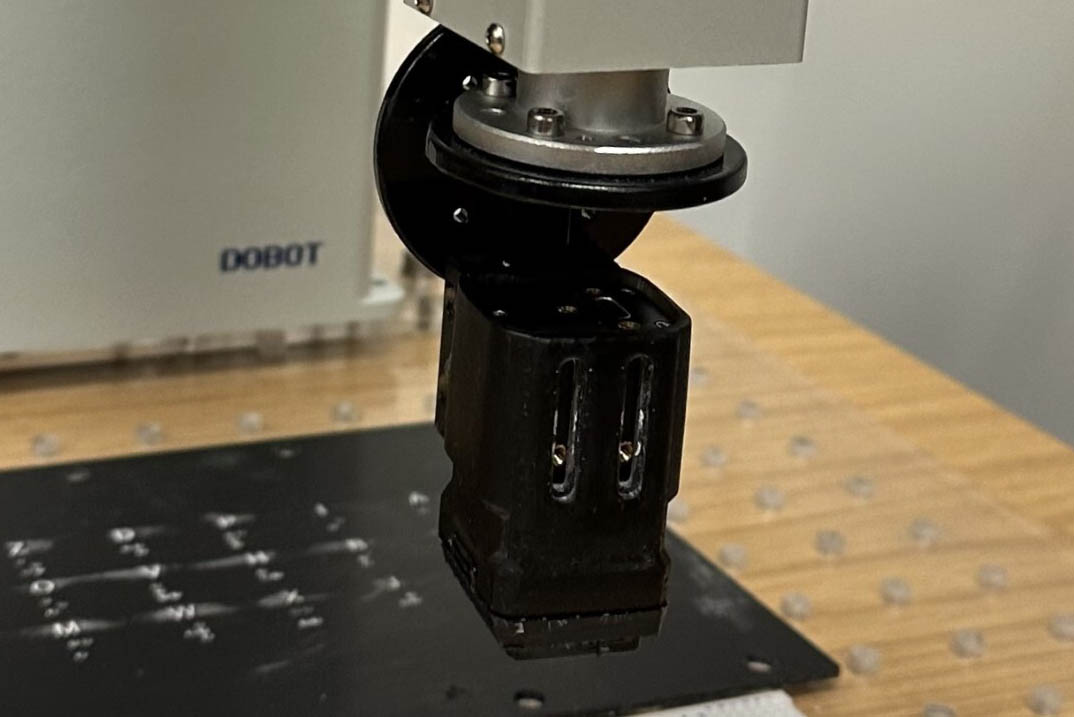
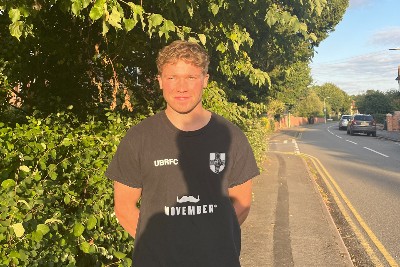
A University of Bristol student has won international recognition for developing an affordable Braille printer inspired by his blind grandfather.
A University of Bristol student has won international recognition for developing an affordable Braille printer inspired by his blind grandfather.
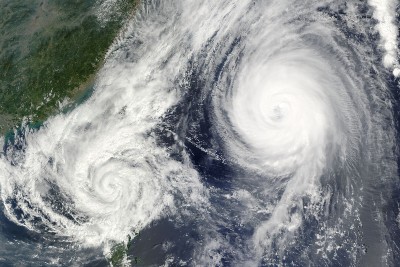
Early warning systems for severe weather events are failing to translate into life-saving preparedness across Africa, leaving millions exposed to the devastating impacts of extreme weather, new University of Bristol-led research has found. The international study is published in the Bulletin of the American Meteorological Society (BAMS).
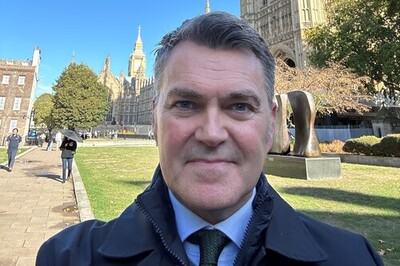
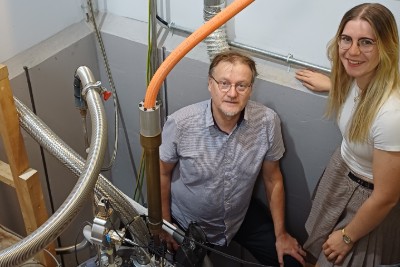
The UK must develop its own sovereign artificial intelligence (AI) capabilities to protect its future prosperity and remain competitive in the age of AI, according to a leading supercomputing expert from the University of Bristol.
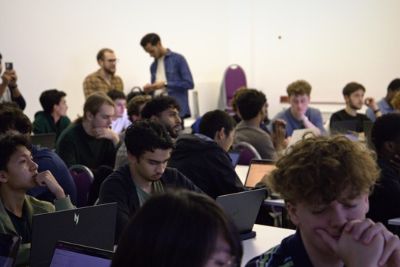
More than 50 University of Bristol students have taken their first steps into the world of semiconductor engineering, designing their own computer chips through a hands-on workshop led by a Bristol student startup.
Superconductivity has many important practical applications, including creating powerful magnets used in high-resolution medical scans, transporting electricity efficiently, and building ultra-sensitive measuring devices. Until now, understanding exactly what lay behind this unique phenomenon at high temperatures has eluded scientists over many decades.
Tiny, lab-grown models of the human brain could help pave the way for more energy-efficient biohybrid computers, after researchers from the University of Bristol have shown they can transmit signals that correspond to Braille letters.
A decade-long study of earthquake activity in California has provided the strongest evidence to date that forecasting models can reliably describe patterns of earthquake activity over the following day.
Until now the alien white-hot worlds of exoplanets have been depicted as circular, but new research has revealed the true shape of their atmospheres to be a deformed sphere rather than perfectly circular.
Researchers have identified five key ways countries across the globe can be better prepared for the impending El Niño – and reduce its potentially devastating toll on human health.
A University of Bristol engineer who has helped transform aviation, rail and energy safety inspection is among 75 top-flight academic and business figures to become a Royal Academy of Engineering Fellow.
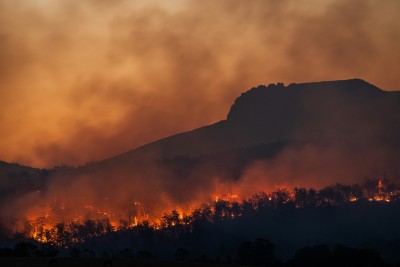
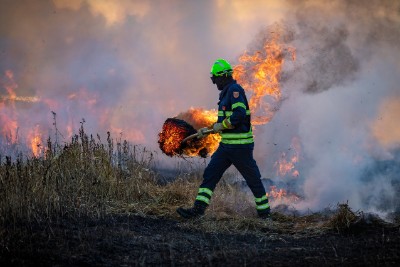
A swarm of autonomous drones could change the way the world fights wildfires, thanks to pioneering technology developed by a team of robotics experts from the University of Bristol. The team has received a major $500,000 award in the global XPRIZE Wildfire competition after demonstrating the potential of its technology to detect and respond to fires faster and more effectively.
Artificial intelligence programmes used to classify images could be trained much cheaper using a surprisingly simple method inspired by the childhood game of 20 Questions, new research has found.
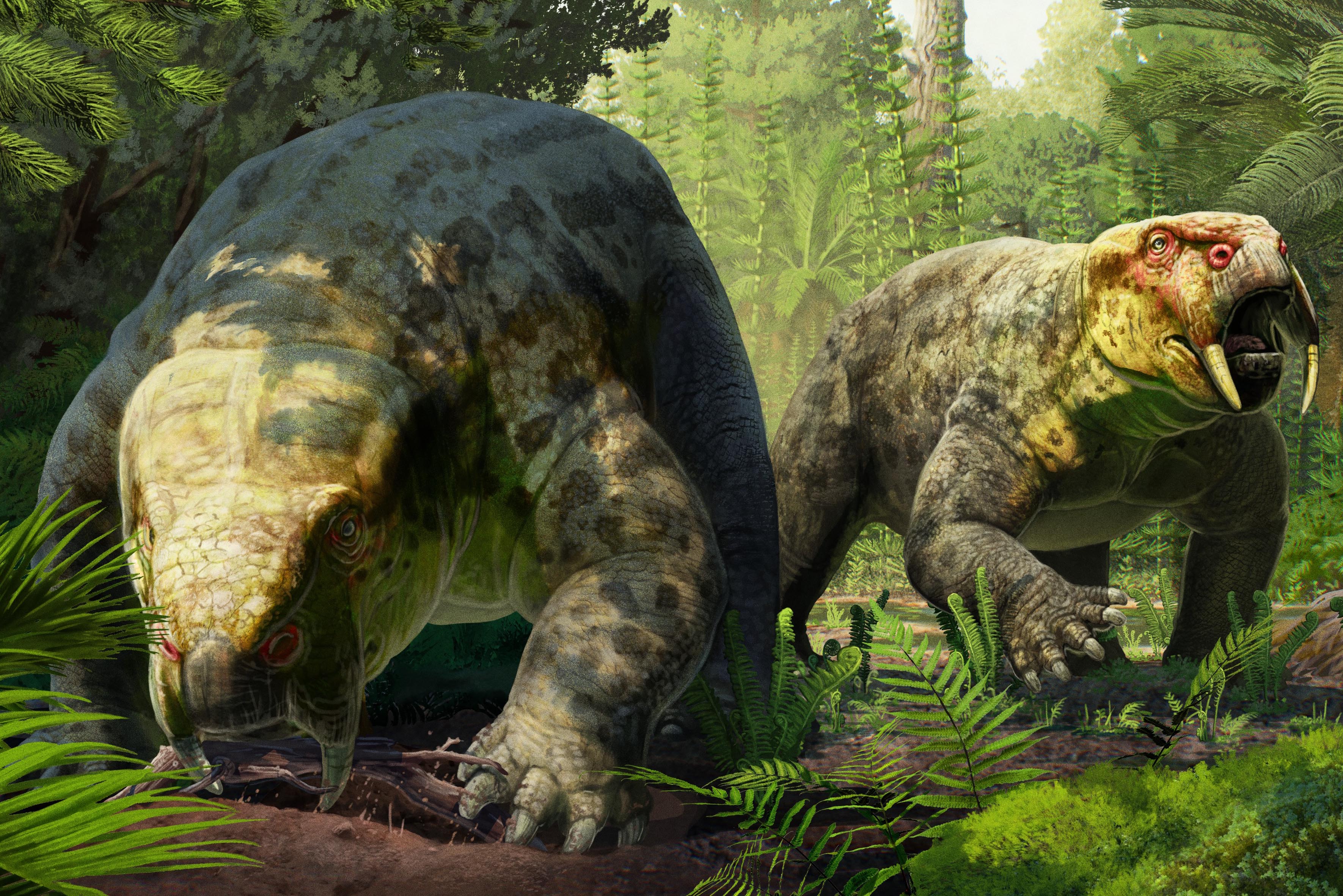
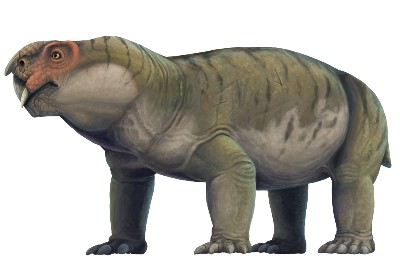
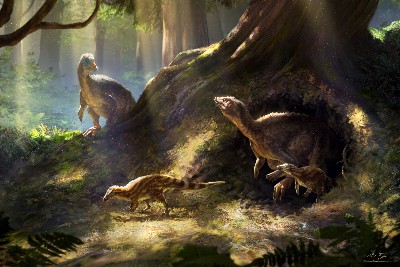
A new prehistoric animal species from Tanzania dating back around 240 million years to the Triassic period has been described by an international team of researchers. Led by the University of Bristol, the new species, named Dinodontosaurus isiyavamanda, could help scientists refine the age of one of the world’s most significant fossil sites, and reshape the timeline of early dinosaur evolution.
Global scientists have encountered an intriguing particle interaction in their search for dark matter, which might help pave the way for answering one of the biggest unresolved questions about our universe.
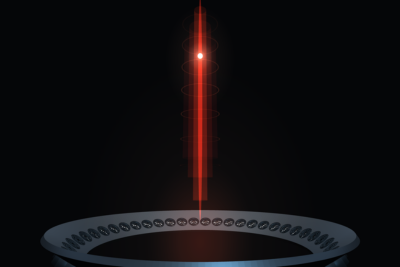
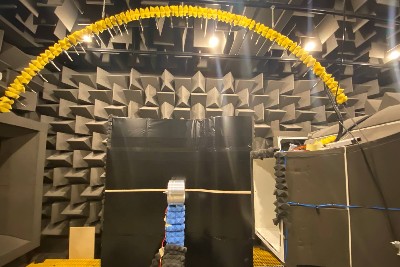
Scientists have developed a new acoustic levitation technique using an ultrasonic beam capable of levitating and moving small objects in mid-air over distances of up to 40cm, six times further than previously achieved using conventional methods.
Mervyn John Miles, Emeritus Professor of Physics, passed away on May 8, 2026. A truly remarkable interdisciplinary scientist, Mervyn has left a profound mark in the field of Scanning Probe Microscopy, (SPM) across the globe, changed the landscape of the University of Bristol – quite literally, and more importantly, left an indelible imprint on many colleagues across Bristol and the worldwide scientific community, and on generations of PhD students who moved on from their research in Bristol into many diverse walks of life.
Towering explosions, flowing bright red lava and heroic scientists battling to save communities at risk have become the defining image of volcanoes in popular culture, from disaster films to epic blockbusters. New University of Bristol-led research has found these cinematic portrayals create a distorted view of how volcanoes behave in the real world.
A pioneering study has revealed that by the turn of the next century at least half a million more people in the UK will be exposed to risk of coastal flooding – a 25% increase compared to now.
A University of Bristol student whose eczema was so debilitating that he could not hold a pen or attend lectures has successfully graduated with a four-year integrated master’s degree in Mechanical Engineering and received a special award from his department in recognition of his achievements.
A newer ‘climate-friendly’ refrigerant used in car air conditioning systems, may already be a significant, and possibly dominant, source of a ‘forever chemical’ pollutant across Europe, according to a new University of Bristol-led study.
Researchers have found an ingenious way to make soft robots and wearable technology more than three times more powerful by harnessing the surface tension of a tiny liquid metal droplet smaller than a rain droplet.
Pioneering research has developed a new way of creating carbohydrate-based medicines, which could ultimately replace costly drugs for common health conditions, using two cheap basic ingredients – table sugar and vinegar.
Perforated landing pads could significantly reduce the noise of delivery drones and electric aircraft during take-off and landing, new research by the University of Bristol has found.
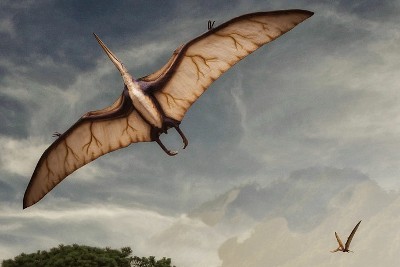
Pterosaurs, the first vertebrates to fly, would have had more diverse wing shapes than current scientific reconstructions suggest, according to new University of Bristol-led research. The study is published in the journal Paleobiology today [23 June].
Coral reef ecosystems, widely seen as a climate change bellwether, are more complex than previously understood. A new international study by the universities of Bristol, Wuhan in China and Erlangen-Nuremberg, Germany, reveals that the evolutionary advantage of coral-algae symbiosis is not fixed; it depends entirely on environmental context.
University of Bristol robotics experts are competing in the finals of the prestigious XPRIZE Wildfire Autonomous Wildfire Response $5M competition in Alaska this weekend [21 June] as part of an international team called AURA Foresight.
Dwarf mongooses anticipate encounters with rival groups and adjust how they move, communicate and defend resources beforehand, according to new research from the University of Bristol.
Four University of Bristol researchers have been recognised in this year’s King’s Birthday Honours. The honours celebrate the outstanding contributions of a materials engineer, an epidemiologist, a genomics scientist and an ophthalmology researcher, highlighting the range of expertise and impact across the University’s research community.
Wildlife research projects worldwide could benefit from a new AI system which can automatically find, name, and follow individual animals in footage, thanks to work by an international team involving the University of Bristol.
A cyber security start-up founded by academics at the University of Bristol is gaining national recognition for its innovative approach to protecting critical infrastructure systems from increasingly sophisticated cyber attacks.
Ancient volcanic rocks collected from a mountain in Aotearoa New Zealand and brought to the University of Bristol as geological specimens for analytical research are to be returned home in a landmark example of best practice in the return of culturally sacred research materials.
Scientists have shown conclusively for the first time that tiny marine organisms in polar oceans survived the mass extinction event that wiped out prehistoric dinosaurs because they needed less energy and were more tolerant to darkness.
Engineers have invented an ingenious liquid-metal pump which could make future soft robotics and wearable devices much more portable and agile.
A University of Bristol scientist who has helped transform our understanding of airborne particles (also referred to as aerosols) has been elected as Fellow of the Royal Society.
A leading mathematician at the University of Bristol has been named as a recipient of one of Germany’s top academic accolades.
Researchers at the University of Bristol have developed a new method which could help scientists perform large-scale climate simulations at a fraction of the cost and time needed compared to traditional climate models.
Two University of Bristol scientists have recognised for their outstanding contributions to geography by the Royal Geographical Society.
A University of Bristol spin-out which has developed a platform for generating therapeutic red blood cells (tRBCs) to treat multiple diseases has raised funding of £3.2m.
The University of Bristol, in collaboration with the UK Government, is strengthening its global leadership in semiconductor innovation through a strategic technology partnership with Sarawak, Malaysia – unlocking new opportunities for research excellence, industry collaboration, and long-term investment in high-value sectors.
Understanding how wounds heal after injury could be a step closer thanks to a new mathematical model developed by researchers at the University of Bristol.
Scientists have discovered that deep-water corals in the Galápagos region vanished for more than 1,000 years before eventually recovering. The findings reveal that deep-water coral ecosystems may be more susceptible to climate change than previously thought.
New research has highlighted how inadequate environmental regulations and assessments of contaminated industrial land in India are endangering human populations and wildlife ecosystems.
The recovery of the ozone layer in the Earth's stratosphere could be delayed by several years, according to an international study led by Swiss research institution Empa which included contributions from University of Bristol researchers.
A landmark space mission built on UK research excellence is set to accelerate progress in quantum communications, as the Integrated Quantum Networks (IQN) Hub launches the pioneering “Satellite Platform for Optical Quantum Communications” (SPOQC).
Professor David Vincent Evans, Applied Mathematician and former Head of Department, Dean of Science and Pro-Vice Chancellor of the University of Bristol, passed away on 13 March. Professor Richard Porter, his former PhD student, postdoc, colleague and close friend, remembers his life.
Scientists have developed a network of mechanical motors that mimic the molecular machinery underpinning human muscle contraction. The University of Bristol-led findings, published in the Journal of the Royal Society Interface this week, could open new possibilities for artificial muscles in robotics.
A new laser range-finding technique, inspired by quantum physics, which can measure distances under strong solar background has been demonstrated by researchers at the University of Bristol.
A survey of nearly 6,000 UK households warns of a sharp increase in those aged 40-59 years using Buy-Now-Pay-Later loans (BNPL). These loans are currently accessed by 18% of UK households (up from 15% in May 2025) and while BNPL use is highest among younger households, growth has been fastest among those aged 40-59 years.
The University of Bristol has today announced the stellar lineup of recipients of its Alumni Awards for 2026.
The University of Bristol has unveiled a series of landmark partnerships at a celebration of its new Mumbai Enterprise Campus, including a global strategic partnership with Tata Consultancy Services (TCS) and a £1.5million philanthropic gift from the Shanta Foundation that will strengthen research and student mobility between India and the UK.
Sabine Hauert, Professor of Swarm Engineering at the University of Bristol, has been awarded an honorary OBE in recognition of her services to robotics.
The ethics of Artificial Intelligence and its growing impact on society are some of the pressing issues covered in a new online course taught by world-leading academics from the University of Bristol.
Grey wolves adapt their diets as a result of climate change, eating harder foods such as bones to extract nutrition during warmer climates, new research has found.
The art of mummification has long been shrouded in mystery, but new research shows the musty smell of mummified remains helps unlock important information about the ancient practice.
The impacts of severe gambling pose similar threats to a person’s physical and mental wellbeing as a chronic health condition or alcohol and illegal drug use, according to a new study involving University of Bristol researchers. The authors say their findings indicate gambling should be placed on an equal footing with other UK public health priorities.
Five University of Bristol academics will be appointed inaugural Fellows of the Academy for the Mathematical Sciences (AcadMathSci) at an event held at the Royal Society today [29 January].
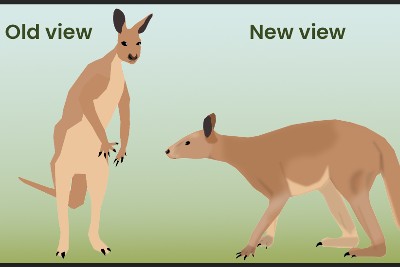
Scientists studying the fossil remains of giant prehistoric kangaroos have found that even animals weighing more than 200kg may not have been too big to bounce, overturning long-held assumptions about the limits of hopping.
The Prince of Wales learnt about the incredible research and innovation taking place at the University of Bristol when he visited two of its world-leading research facilities today (22 January).
A long-standing mystery about how wild bats navigate complex environments in complete darkness with remarkable precision, has been solved in a new University of Bristol-led study. The findings are published today [21 January] in Proceedings of the Royal Society B.
Hundreds of millions of people worldwide live within 100 kilometres of a volcano that has experienced at least one significant eruption. Yet the warning signs that signal a shift from relatively mild activity to a high-impact eruption remain unclear. A major new £3.7 million University of Bristol-led research project aims to change this.
A University of Bristol engineer whose research focuses on the impact of agriculture on water quality has been recognised in this year's King’s New Year Honours list.
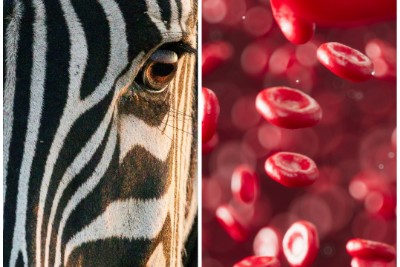
Stripe patterns are commonly seen in nature – for instance birds and fish move in coordinated flocks and schools, fingerprints form unique designs, and zebras can be identified by their distinctive stripes.
A research partnership between a world-leading helicopter maintenance firm and the University of Bristol has been given special recognition for making a lasting contribution to innovation practice and collaboration.
More early-career researchers will be able to explore the depth and beauty of pure mathematics at the University of Bristol, thanks to £2.4 million in research funding from the leading algorithmic trading firm, XTX Markets.
Groundbreaking new technology is set to revolutionise match day and how fans experience sport following successful trials at a major stadium. The innovation, the first of its kind in the UK, could transform traditional sports venues into fully smart-enabled stadiums, offering fans unprecedented levels of interaction and connectivity.
The University of Bristol is set to develop a multimillion-pound new National AI Data Facility in the West of England as part of the Government’s AI for Science Strategy announced today [Friday 21 November].
Twenty-four University of Bristol academics have been named on the 2025 Clarivate Highly Cited Researchers list.
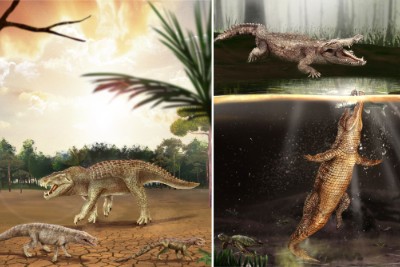
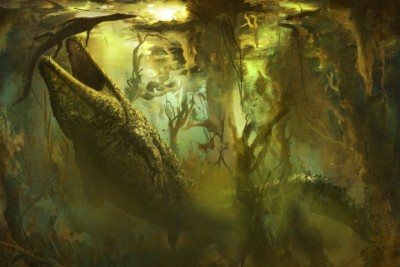
Crocodiles were not always the aquatic predators we know today. Living crocodiles evolved from ancient lineages that were equally at home on land as water.
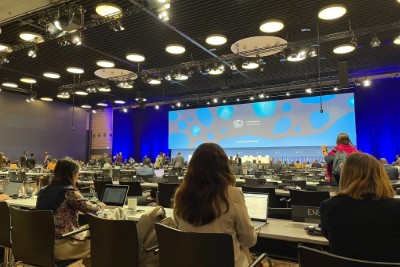
A team of University of Bristol experts are poised to join the 30th United Nations Conference of the Parties, better known as COP30, which starts this week in Brazil and will push forward global climate solutions.
Picture this: It’s the 18th hole and the game’s on the line. You line up your putt, take a breath, and roll the ball toward the hole. The pace is firm, the line looks good—until the ball dips in, then cruelly pops back out onto the green. New research led by the University of Bristol has looked at the physics of what’s known as the golf lip out.
A landmark transatlantic technology deal has been signed by the West of England Mayoral Combined Authority, the University of Bristol, and the largest regional quantum consortium in America, Elevate Quantum.
Astronauts could soon be able to move more freely thanks to a soft robotic exosuit developed by researchers at the University of Bristol.
Two University of Bristol scientists have been awarded over £2 million to work with US researchers on pioneering Quantum Information Science projects unlocking new approaches in drug design, solar cell technologies and quantum sensing.
An innovative project which offers a testbed for developing and trialling AI solutions has won a prestigious national award, further cementing the University of Bristol’s reputation as an AI trailblazer.
Researchers have invented a new super agile robot that can cleverly change shape thanks to amorphous characteristics akin to the popular Marvel anti-hero Venom.
Winners of a student startup funding competition went on to raise an average of £40 for every £1 they were awarded. That’s according to new figures released today by the University of Bristol, which show the vital – but often underappreciated – ways that students can innovate ideas into booming businesses with relatively small grants.
The University of Bristol has been selected as the new host of the UK Knowledge Exchange Hub for Mathematical Sciences (KE Hub), taking over from the Isaac Newton Institute for Mathematical Sciences at the University of Cambridge from January 2026.
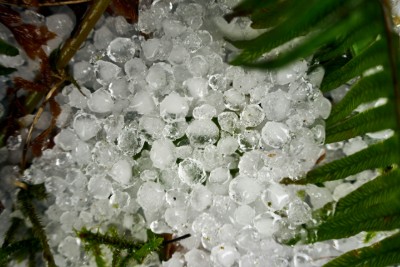
Global warming may lead to less frequent but bigger and more devastating hail storms, new research has revealed.
Households with £2,000 in savings are around 60% less likely to fall behind on household bills, according to new research from the University of Bristol’s Personal Finance Research Centre. The report was commissioned by the Building Societies Association (BSA) for UK Savings Week.
Turn2us, the anti-poverty charity, today [24 September] released new research revealing the cost of embedded stigma in the UK’s social security system.
A University of Bristol academic who is a world leading expert in cellulosic materials and a strong advocate for equity, diversion and inclusion in STEM subjects has been elected as a Fellow of the Royal Academy of Engineering.
Experts from the University of Bristol and Imperial College London have today published an independent report setting out how the UK can accelerate the growth and resilience of its cyber security sector.
New research has shown hospital patients could reduce the carbon footprint and saturated fat content of their selected meals by up to almost a third – if the weekly menu featuring the same dishes is cleverly reorganised.
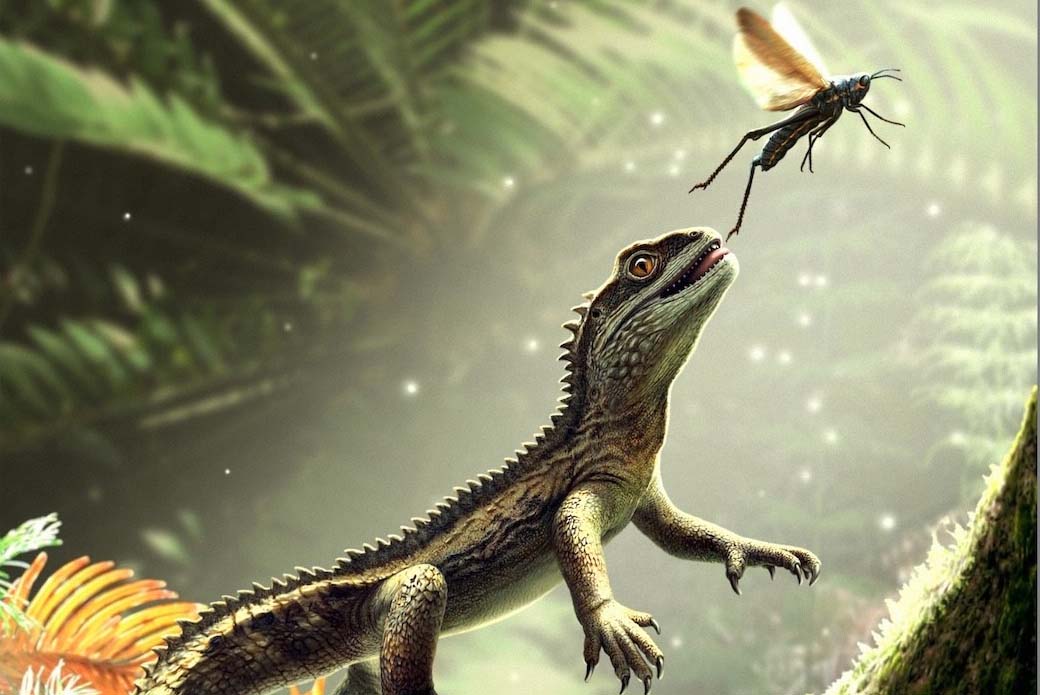
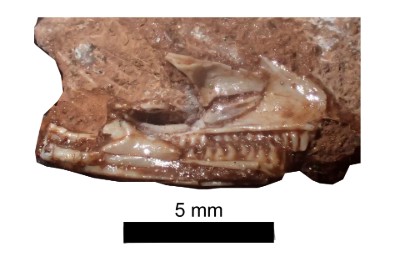
A new fossil from Devon reveals what the oldest members of the lizard group looked like, and there are some surprises, according to a research team from the University of Bristol. The study is published today [10 September] in Nature.
Five University of Bristol early-career researchers have been awarded prestigious European Research Council (ERC) Starting Grants totalling €10 million to pursue their pioneering research.
University of Bristol astrophysicists are helping shed new light on an Earth-sized exoplanet 40 light years away where liquid water in the form of a global ocean or icy expanse might exist on its surface.
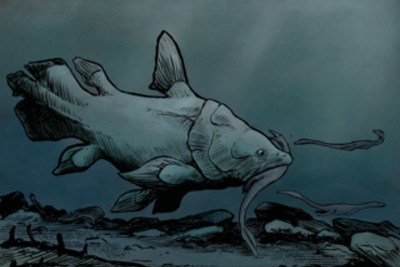
The modern coelacanth is a famous ‘living fossil’, long thought to have died out, but first fished out of deep waters in the Indian Ocean in 1938. Since then, dozens of examples have been found, but their fossil history is patchy. In a new study, Jacob Quinn and colleagues from the University of Bristol and University of Uruguay in Montevideo have identified coelacanths in museum collections that had been missed for 150 years.
A pioneering study that used climate models to measure the impact of global atmospheric patterns has found new evidence for North America’s hidden role in Asia’s summer monsoon, a seasonal rainfall system vital to more than a billion people.
A PhD student at the University of Bristol has developed a convenient and cost-effective wearable patch to measure subtle temperature changes across the breast, which could in future be used to detect potential abnormalities and cancerous tumours.
Nikhil Rathi, Chief Executive of the UK Financial Conduct Authority (FCA), visited the University of Bristol to see how its pioneering research, including in Artificial Intelligence (AI) adoption, is boosting businesses in the region and beyond.
A pioneering quantum computing company co-founded by academics from the University of Bristol and University College London (UCL) has landed $34 million in funding to accelerate its breakthrough work to transform quantum computing’s theoretical promise into practical applications.
A University of Bristol scientist who helped develop a key breakthrough in binding glucose which could lead to improved treatment for people with diabetes has been awarded the 2025 Royal Medal for Applied Sciences from the Royal Society.
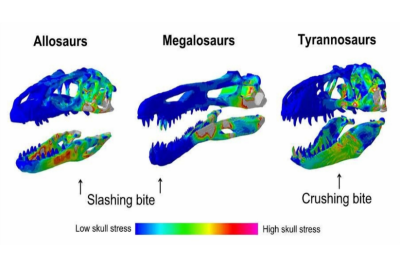
New research analysing the bite strength of 18 species of carnivorous dinosaurs has shown that predatory dinosaurs followed different evolutionary paths.
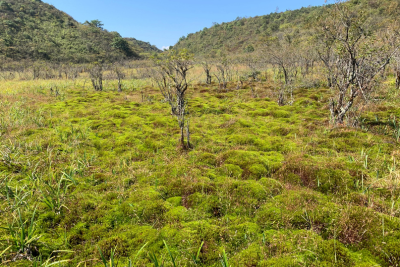
As the climate warms and regional drying becomes more frequent, peatlands – some of the planet’s most important carbon sinks – are increasingly under threat. But a study, led by an international team including scientists from the University of Bristol, has shown peatland ecosystems may have a natural defence through the combined forces of plant changes and microbes.
Professor Steve Eichhorn has been elected as a Fellow of the American Chemical Society; he is the first UK-based scientist to have been given this honour.
Faster, more accurate cancer diagnoses and new clean-energy innovations are some of the key breakthroughs now closer to reality as the UK’s most powerful AI supercomputer launches in Bristol today [Thursday 17 July].
The University of Bristol has secured funding for two new pioneering research projects as part of a major investment programme from the UKRI Engineering and Physical Sciences Research Council (EPSRC) in collaboration with UK businesses announced today (Thursday 10 July).
A new and unique supercomputing collaboration between the UK and France was announced at the UK-France Summit today (10 July).
Chemists have discovered for the first time a unique way to control and modify a type of compound widely used in medicines, including a drug used to treat breast cancer.
The University of Bristol is co-leading a new national Cyber Growth Action Plan to boost jobs and innovation.
Climate change experts from the University of Bristol’s Cabot Institute for the Environment are set to champion inclusivity and a fair shift to a net zero economy at an important international summit this week.
A telecoms trailblazer who organised the world's first 5G music lesson, and the Deputy Chair of the Board of Trustees and Alumni Association Trustee on the Board of Trustees at the University of Bristol have been recognised in the 2025 King’s Birthday Honours.
Twenty-seven subjects taught at the University of Bristol are in the top ten of UK universities, according to a new ranking.
The University of Bristol is set to welcome future tech innovators with exceptional talent in AI-related disciplines through a prestigious new scholarship programme announced by the Department for Science, Innovation and Technology (DSIT).
A new study has revealed for the first time that ancient carbon, stored in landscapes for thousands of years or more, can find its way back to the atmosphere as CO₂ released from the surfaces of rivers.
University of Bristol PhD student, Oroosa Anwar, took first place in a closely fought competition that sees researchers present their work in just three minutes.
University of Bristol researchers developing robot hands that can operate with human dexterity have received financial backing from Advanced Research + Invention Agency (ARIA).
Interactive robots should not just be passive companions, but active partners–like therapy horses who respond to human emotion–say University of Bristol researchers.
Self-driving cars which eliminate traffic jams, getting a healthcare diagnosis instantly without leaving your home, or feeling the touch of loved ones based across the continent may sound like the stuff of science fiction.
The puzzling behaviour of Titan’s atmosphere has been revealed by researchers at the University of Bristol for the first time.
Efforts to limit the global temperature increase to 1.5°C under the Paris Climate Agreement may not go far enough to save the world’s ice sheets, according to a new study.
New research reveals mountain glaciers across the globe will not recover for centuries – even if human intervention cools the planet back to the 1.5°C limit, having exceeded it.
A breakthrough study has revealed why emerging electric aircraft engine technology sounds so annoying — and how to fix it.
Scientists inspired by the octopus’s nervous system have developed a robot that can decide how to move or grip objects by sensing its environment.
University of Bristol student Matt Pidden has shattered the world record for solving a 4x4 Rubik's Cube, using a robot he designed, built and trained in just 15 weeks.
Redesigning social media to suit different needs of users could make their time online more focused, according to new research by University of Bristol academics.
Restoring forests at a community level can contribute significantly to helping reach global net zero and biodiversity goals.
A new technology in the form of a bracelet, that helps children better understand how others play and interact, has been developed by University of Bristol researchers.
Pioneering research has repurposed a gene editing tool to help shed light on the true biodiversity present in natural environments.
New research led by Imperial College London and co-authored by the University of Bristol, has revealed that aerial robotics could provide wide-ranging benefits to the safety, sustainability and scale of construction.
A study has shown that a dangerous game of ‘brinkmanship’ between rival genes in mammals could help explain why many fertilised eggs don’t result in a new life.
A University of Bristol professor who has played a pivotal role in advancement of telecommunications research has received an OBE in the honorary awards to foreign nationals announced last week.
A new study has shed unprecedented light on the highly variable and climate-sensitive routes that substances from Siberian rivers use to travel across the Arctic Ocean. The findings raise fresh concerns about the increasing spread of pollutants and the potential consequences for fragile polar ecosystems as climate change accelerates.
A team of international scientists has invented a substitute for synthetic chemicals, called PFAS (perfluoroalkyl substances), which are widely used in everyday products despite being hazardous to health and the environment.
Researchers from the Universities of Nottingham, Newcastle and Bristol are to receive a £7 million grant from a funding council to develop sustainable technologies to reduce energy wastage.
Researchers have successfully demonstrated the UK’s first long-distance ultra-secure transfer of data over a quantum communications network, including the UK’s first long-distance quantum-secured video call.
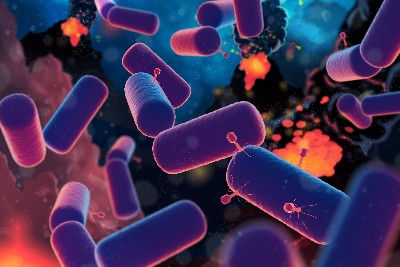
Microbial organisms – particularly Bacteria – dominate life on Earth, yet tracing their early history and how they have developed over time has long eluded scientists because they rarely fossilize.
Two Palaeontology and Evolution students from the University of Bristol have undertaken the first ever study which describes the incredible range of fossils which were sucked into a Neptunian dyke, a deep, fissure like cave on the ancient coastline.
Northern Ireland is known for its cool, wet weather – but a new study has shown warmer temperatures and erratic rainfall due to climate change are taking a toll on the nation’s health and farming industry.
Nerves reached fever pitch as Bristol’s second University Challenge quarterfinal was decided by a rare tiebreak.
Charging electric cars in faster than five minutes and making the national energy grid much more efficient could be a step closer to reality thanks to a unique new partnership on track to revolutionise semiconductor microchip technologies.
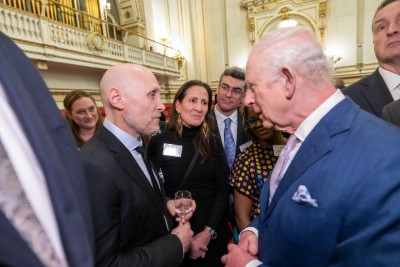
Two University of Bristol researchers joined WaterAid UK for a Water and Climate Reception hosted by His Majesty The King to highlight the increasing risks to drought and flooding in major cities across the world.
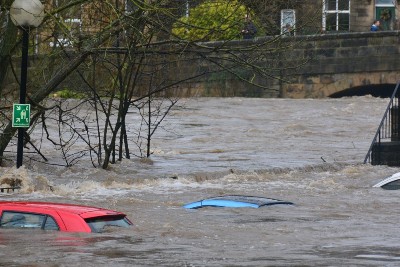
A new report has revealed how the 100 most populated cities globally are becoming increasingly exposed to flooding and drought.
Ancient frog relatives survived the aftermath of the largest mass extinction of species by feeding on freshwater prey that evaded terrestrial predators, University of Bristol academics have found.
Bristol students came from behind to win the first of their University Challenge quarterfinals.
New analysis has shown a third of households in Scotland (32%) report having nothing in savings.
It’s a scene you’d expect to see in Hollywood, not tucked away near Bristol Temple Meads Train Station. Within a 350 square-metre studio with towering LED screens, the filmmakers of tomorrow are being trained in how to bring physical and virtual worlds together for film and TV using the very latest technology.
A married couple beat 1 in 10,000 odds to both be awarded a prestigious University of Bristol scholarship.
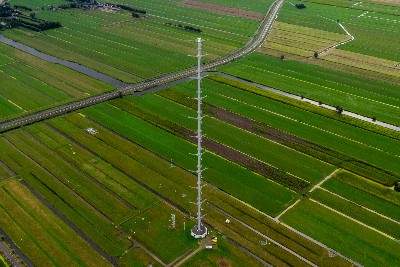
The UK’s ability to measure greenhouse gases has taken a step forward thanks to a new atmospheric monitoring station.
The University of Bristol’s Vice-Chancellor attended an event at Number 10 to recognise the Government’s commitment to lead in AI.
A fresh University of Bristol study has uncovered significant safety risks associated with new ChatGPT rival DeepSeek.
A total of 20 University of Bristol academics have been named on Clarivate’s Highly Cited Researchers 2024 list.
Porous land such as foliage significantly lowers noise made by drones and air taxis which could reduce disturbances for urban communities as Urban Air Mobility (UAM) grows.
A globally-renowned climate scientist has highlighted the need to better recognise and understand the many different adverse health effects posed by worsening climate change for current and future generations.
A team of University of Bristol students have designed, built, and tested a rocket engine to 6000 Newtons – roughly the same as the weight of a Smart car.
The robotics industry should be creating robots that could be reprogrammed and repurposed for other tasks once its life span is completed, University of Bristol and University of West England researchers have advised.
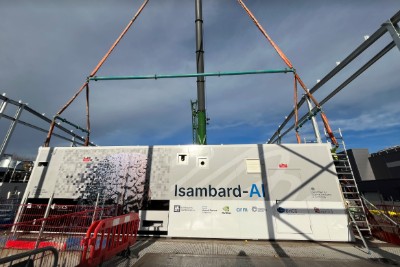
The UK’s fastest supercomputer Isambard-AI will play a major role in advancing the nation’s AI capabilities.
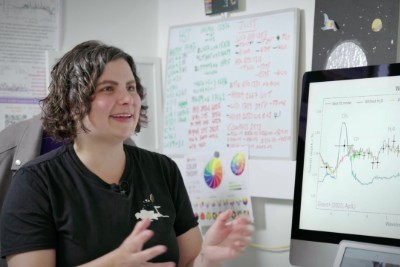
A prestigious national award created in honour of a pioneering female physicist at the University of Bristol has returned to her alma mater more than 75 years later and been won by talented astrophysicist Dr Hannah Wakeford.
A University of Bristol alumnus and honorary research fellow has been awarded a British Empire Medal (BEM) in recognition of services to bat conservation spanning more than six decades.
Two University of Bristol professors have been presented awards by the Palaeontological Association for their contributions to academia, outreach and human knowledge.
Three University of Bristol professors have been appointed to a panel which will shape the UK’s academic research.
New polling has found more than half (57%) of households think the Budget will leave them financially worse-off – and 80% would possibly support some further tax rises if necessary.
A ground-breaking University of Bristol study has shed light on how lizards and snakes -the most diverse group of land vertebrates with nearly 12,000 species - have evolved remarkably varied jaw shapes, driving their extraordinary ecological success.
Two pioneering Bristol projects are amongst 100 new initiatives which will share £80 million investment from the Engineering and Physical Sciences Research Council (EPSRC).
Government Minister Stephen Morgan MP visited the University of Bristol’s new Temple Quarter Enterprise Campus to learn more about the institution’s sector-leading work around data, digital technology and artificial intelligence in education.
GW4 Isambard 3, a world-class supercomputer service for AI and high-performance computing (HPC), has officially launched this week, driving innovative new, scientific research in a wide range of areas, including in clean energy, designing optimal configuration of wind farms on both land and water, and modelling fusion reactors to provide green energy in the future.
Factors beyond carbohydrates have a substantial influence on blood glucose levels meaning current automated insulin delivery systems miss vital information required for glucose regulation, a new study has found.
A storeroom specimen that changed the origins of modern lizards by millions of years has had its identity confirmed.
Trust between humans and robots is improved when the movement between both is harmonised, researchers have discovered.
In a new study, led by the University of Oxford (co-authored by a University of Bristol scientist) and published today [18 November] in Nature, an international group of authors who developed the science behind net zero demonstrate that relying on ‘natural carbon sinks’ like forests and oceans to offset ongoing CO2 emissions from fossil fuel use will not actually stop global warming.
The Cyber Security Body of Knowledge (CyBOK), a project that has been pivotal in the UK’s national cyber security efforts for over seven years, is set to transition from a research initiative based at the University of Bristol to a Community Interest Company (CIC). This development marks an important milestone, securing CyBOK’s long-term role in shaping professional standards and educational pathways in the field of cyber security in the UK, with a growing influence internationally.
A University of Bristol professor who is playing a pivotal role in advance telecommunications technology research has been named in the 2025 Photonics 100 list which recognises individuals driving innovation in the field of photonic science.
A world-leading University of Bristol astrophysicist has won a prestigious national accolade to help further unravel the mysterious world of exoplanets.
The Patent Law’s foundation has been challenged by a University of Bristol academic.
Teleoperated robots for gathering moon dust are a step closer, according to new research by scientists at the University of Bristol.
An inspirational University of Bristol scientist whose groundbreaking work helped lay the foundations for new technologies such as ultra-secure communications and super-powerful quantum computers has been awarded the Micius Quantum Prize – one of the top honours in the world of quantum science.
The University of Bristol has received a £1million grant from the UKRI Arts and Humanities Research Council (AHRC) to establish a new Centre for Chemical Characterisation in Heritage Sciences – an initiative that will span Arts, Chemistry and Earth Sciences.
The University of Bristol will be part of a new national hub which will harness the engineering, physical and mathematical sciences (EPMS) research and innovation community’s collective effort to address diversity challenges specific to the sector.
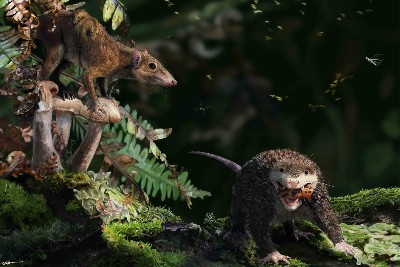
The discovery of new cynodont fossils from southern Brazil by a team of palaeontologists from the University of Bristol, alongside colleagues from Argentina and Brazil, has led to a significant breakthrough in understanding the evolution of mammals.
The inventor of the world’s first ultrasonic tractor beam has been elected as a Fellow of the Royal Academy of Engineering.
University of Bristol has been crowned ‘AI University of The Year’ at the National AI Awards solidifying the University’s reputation as a leader in artificial intelligence research and education.
Dr Erin P. Dooley, a Lecturer in the Faculty of Science and Engineering, has received a prestigious Churchill Fellowship medallion for her research and engagement.
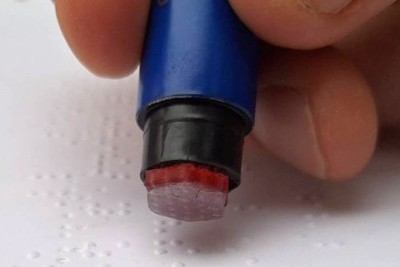
A pen which can transform Braille into English text has been developed by experts at the University of Bristol.
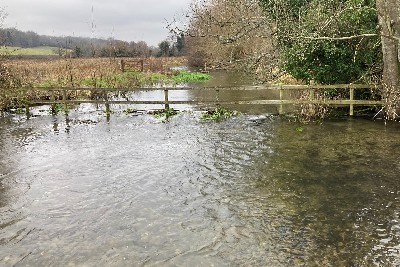
A new project co-led by the University of Bristol, aims to improve future flood adaptation measures in the UK, providing better-targeted protection against the impact of climate change.
Predicting where future fooding and droughts will strike next in the UK is set to become easier with a pioneering initiative harnessing the latest technology and real-time data.
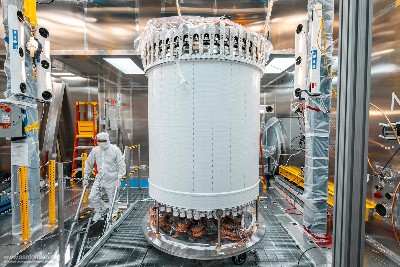
New results from the world’s most sensitive dark matter detector narrow down its characteristics, edging closer to unravelling one of the biggest mysteries of the Universe.
A University of Bristol palaeontologist is among 25 medal and award winners announced by the Royal Society today [Wednesday 28 August].
Four University of Bristol students will test their quizzing mettle tonight, in the first clash of their University Challenge campaign.
A University of Bristol professor has joined forces with Lancashire Fire and Rescue and Windracers to test a swarm of self-coordinating drones for firefighting, as part of an effort to develop cost-effective early mitigation strategies for wildfires.
New research has revealed factories globally are not properly destroying one of the most potent greenhouse gases emitted from the production of fluoropolymers like Teflon, and refrigerants.
Pioneering research forecasts worldwide flooding is likely to be significantly worse in future decades if countries fail to meet official pledges to cut carbon emissions.
A new joint study by RMIT and The University of Bristol has revealed the secrets to the remarkably steady flight of kestrels and could inform future drone designs and flight control strategies.
A new study published in Science Advances reveals how early mammals grew and developed during their pivotal Jurassic radiation. Using a technique called synchrotron X-ray tomography to image growth rings in fossilised tooth roots, the researchers were able to estimate lifespans, growth rates, and even the timing of sexual maturity in these ancient creatures.
The pterosaur likely used all four limbs to propel itself in the air, as seen in bats today, researchers have found.
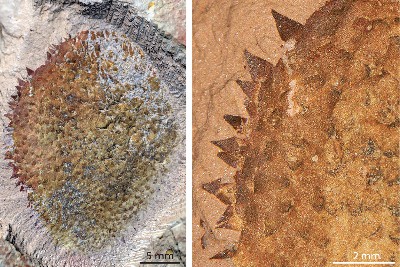
A team of researchers including scientists from the University of Oxford and the University of Bristol have made an astonishing discovery of a new species of mollusc that lived 500 million years ago. The new fossil, called Shishania aculeata*, reveals that the most primitive molluscs were flat, shell-less slugs covered in a protective spiny armour. The findings have been published today in the journal Science.
Significant strides in addressing the issue of AI 'hallucinations' and improving the reliability of anomaly detection algorithms in Critical National Infrastructures (CNI) have been made by scientists based in the University's of Bristol’s School of Computer Science.
A new virtual production stage which uses computer generated imagery (CGI) to help create imagined worlds, will be installed alongside a one-of-a-kind Smart Cinema that can measure what the audience is feeling.
The University of Bristol is set to play a major role in a series of new hubs being launched to ensure the UK fully benefits from the potential of quantum technologies in areas ranging from healthcare to national security.
Brachiopods were evolving in new directions but this did not turn into evolutionary success in terms of the numbers of species, researchers at the University of Bristol, the Open University, and the China University of Geosciences have found.
A pioneering physicist who gave up her PhD 75 years ago to have a family has been made a honorary Doctor of Science by her old university.
Amid growing uncertainty about the sustainability of timber sourcing, new research by University of Bristol experts highlights the necessity of shifting focus from simply using certified, locally sourced timber to a more comprehensive understanding of timber availability and sustainability.
Sandy Mitchell (CEng, FRAeS), Senior Lecturer in Aerospace Engineering, died in June. His colleagues in Aerospace Engineering offer a tribute.
An international team of researchers led by the University of Bristol has shed light on Earth’s earliest ecosystem, showing that within a few hundred million years of planetary formation, life on Earth was already flourishing.
A type of extinct kangaroo that lived during the Pleistocene around two and a half million to ten thousand years ago, known as the ‘giant wallaby’, was a poor hopper, a study by scientists at the University of Bristol have found.
Hazards posed by using data-centric methods to engineer biology, have been identified by experts at the University of Bristol with the aim of making future research safer.
Everyday clothing may soon be able to capture and record body movements according to new research published by the Universities of Bristol and Bath.
In new research physicists have wielded the power of chess to design a group of intricate mazes, which could ultimately be used to tackle some of the world’s most pressing challenges.
Ammonites were not in decline before their extinction, scientists have found.
The University of Bristol has made a key breakthrough in the development of tactile robotic hands.
Details of an ancient cousin of modern-day mammals have been revealed by modern imaging technology.
A pioneering University of Bristol chemist who has helped more than 10,000 teachers across the UK and worldwide inspire and educate the next generation of scientists has been recognised in the 2024 King’s Birthday Honours.
A University of Bristol scientist has been awarded the Environment, Sustainability & Energy mid-career Prize by the Royal Society of Chemistry for his pioneering work in monitoring the changing concentrations of greenhouse gases in the atmosphere.
A new study has revealed significant progress in the drive to reduce levels in the atmosphere of chemicals that destroy Earth’s ozone layer, confirming the success of historic regulations limiting their production.
Juvenile social play predicts adult reproductive success in male bottlenose dolphins, a new study has found.
Declining snowfall is changing the seasonal patterns of streamflow throughout the Northern hemisphere boosting chances of water shortages in the summer, scientists have found.
Academics from across the country including senior sector leaders enjoyed a productive day aimed at advancing opportunities and progression of researchers from underrepresented groups.
Using drones to harvest wind energy could play a significant role in the UK’s net-zero mission.
Researchers at the University of Bristol have made an important breakthrough in scaling quantum technology by integrating the world’s tiniest quantum light detector onto a silicon chip.
A new University of Bristol project aims to inspire a move diverse and inclusive community of roboticists in collaboration with Women in Robotics UK (WiR UK).
The UK’S fastest and most powerful supercomputer, located at the University of Bristol, is now officially online, with pioneering technology helping to make the UK a world leader in artificial intelligence.
A University of Bristol spinout company that is developing cutting edge technology which uses acoustic waves to move cells inside sterile containers without touching them has closed its first funding round.
A University of Bristol physicist, who is training the next generation of nuclear scientists to meet future energy needs more sustainably, has been awarded a research fellowship.
A University of Bristol physicist has been selected as the winner of the Oxford Instruments 2024 Nicholas Kurti Science Prize which recognizes the work of young scientists in Europe researching ultra-low temperatures or high magnetic fields.
Creating dialogue for every possible outcome in video games, moving musical experiences from stereo to immersive and holding ticketed events in virtual spaces are among seven pioneering projects which have been granted a share of £1.2 million.
Dinosaurs were as smart as reptiles but not as intelligent as monkeys, as former research suggests.
Video gamers who exploit glitches in games can help experts better understand buggy software, students at the University of Bristol suggest.
A sensing technology that can assess the quality of components in fields such as aerospace could transform UK industry.
A new University programme which will address the grand challenge of providing cyber security at societal scale has received £6.8 million funding from the Engineering and Physical Sciences Research Council (EPSRC).
The fossilised remains of a second gigantic jawbone measuring more than two metres long has been found on a beach in Somerset.
A new robotic suction cup which can grasp rough, curved and heavy stone, has been developed by scientists at the University of Bristol.
The mystery of how futuristic aircraft embedded engines, featuring an energy-conserving arrangement, make noise has been solved by researchers at the University of Bristol.
A talented Bristol mathematician took a break from motherhood to mingle with A-list celebrities and world-leading academics at an awards ceremony in America to receive a prestigious accolade in recognition of her pioneering research.
A University of Bristol scientist who has created a new ultrasonic technology with the potential to transform how microscopes are used in laboratories has been awarded €2m in funding from the European Research Council (ERC).
The BTM Willis Prize for 2024 has been awarded to Dr Andrew R. McCluskey, a Lecturer in Chemistry at the University of Bristol.
Research has uncovered important new insights into the evolution of oxygen, carbon, and other vital elements over the entire history of Earth – and it could help assess which other planets can develop life, ranging from plants to animals and humans.
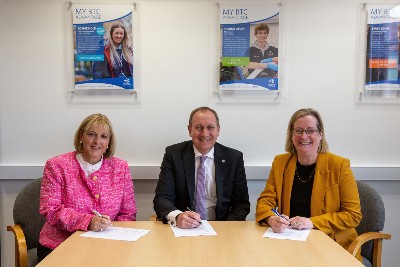
An exciting agreement aiming to reshape the educational and economic landscape of the South West in pursuit of green goals has been signed by the University of Bristol and Bridgwater & Taunton College.
Bristol-based maritime engineering start-up WingTek, in collaboration with the University of Bristol and the National Composites Centre, has won a £2.2m innovation grant.
A pioneering new project that will develop the abilities of Research Technical Professionals (RTPs) and support them to build the skills to work with industrial partners to address real-world challenges and opportunities has been awarded £1.97 million.
A special prelaunch event was held for the UKRI’s new Innovation and Knowledge Centre (IKC) REWIRE at the University of Bristol on Tuesday (12 March).
Hundreds of talented scientists and engineers are set to advance solutions for some of the world’s most pressing challenges, ranging from reaching net-zero and developing sustainable energy to improving digital security and making the latest health breakthroughs.
A lecturer who survived stage 4 cancer thanks to a stem cell transplant is running the London Marathon to help others in need.
A consortium of universities from across the South West of England and Wales have come together to form a brand new Digital Health Hub which will elevate the region’s digital health capability through leadership, engagement, acceleration and partnership (LEAP).
A new cutting-edge energy storage technology has been developed by green energy company Superdielectrics Group Plc. This new technology stems from an ongoing collaboration with leading researchers at the University of Bristol who identified and validated the key mechanisms involved.
An engineer who is working to improve the provision of safe drinking water in Sub-Saharan Africa presented her research in Parliament this week as part of the STEM for BRITAIN initiative.
An innovative probe which can operate in temperatures as high as molten lava has been created by researchers.
His Royal Highness the Duke of Edinburgh was invited to meet with Institute of Physics (IoP) members from academia and business to discuss physics’ role in the green economy.
The evolutionary success of the first large predators on land was driven by their need to improve as killers, researchers at the University of Bristol and the Open University suggest.
A new computer model mimics Moon dust so well that it could lead to smoother and safer Lunar robot teleoperations.
A 26-year-old scientist has voyaged to one of the most remote locations on earth, where she will study a rare organism that could shed light on our warming world.
Civil engineering students and staff at the University of Bristol will benefit from a new academic partnership with the Institution of Civil Engineers (ICE) aimed at supporting their professional development and strengthening links to industry.
A Bristol academic who helped pioneer the development of wind turbines to deliver energy has been awarded the 2024 Queen Elizabeth Prize for Engineering.
Dinosaurs’ range of locomotion made them incredibly adaptable, University of Bristol researchers have found.
Experts are helping put the UK at the forefront of AI advances, using it to transform current uses and tackle important global challenges.
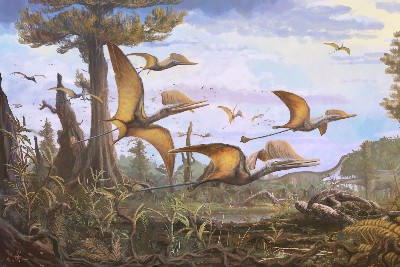
A new species of pterosaur from specimens found on the Isle of Skye, Scotland, has been announced by scientists from the University of Bristol Natural History Museum, University of Leicester, and University of Liverpool.
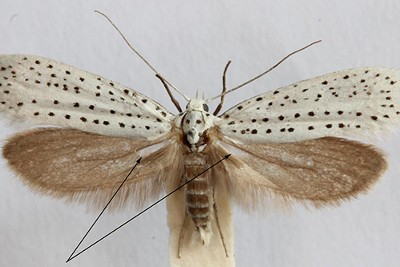
The workings of the ultrasonic warning sounds produced by the wings of a species of moth have been revealed by researchers at the University of Bristol.
A Sign Language interpreter, a conservationist and an esteemed Shakespearean are among the University of Bristol's 2024 Alumni Award winners.
Leading scientists are today calling for an urgent step change in global governance to save the future of worldwide cities and the planet at large.
The behaviour of specific weather patterns and their impact on power faults could be used to develop a weather pattern-conditioned fault forecasting system for power system operators.
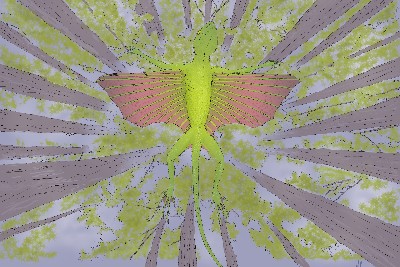
Gliding winged-reptiles were amongst the ancient crocodile residents of the Mendip Hills in Somerset, researchers at the University of Bristol have revealed.
A new study has exposed for the first time the vast proliferation of gambling marketing during live TV screenings and social media promotion of National Hockey League (NHL) and National Basketball Association (NBA) games in Canada.
New research has revealed 38% of households in Scotland recently described their energy bills as ‘unaffordable’ and more than half (51%) considered them only ‘somewhat affordable.’
New research has cracked a vital process in the creation of a unique rock type from the Moon. The discovery explains its signature composition and very presence on the lunar surface at all, unravelling a mystery which has long eluded scientists.
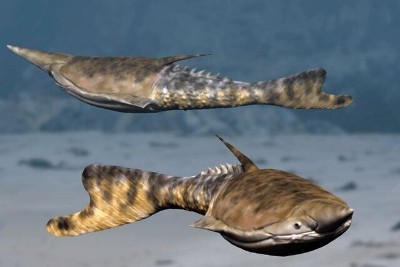
A feeding method of the extinct jawless heterostracans, among the oldest of vertebrates, has been examined and dismissed by scientists at the University of Bristol, using fresh techniques.
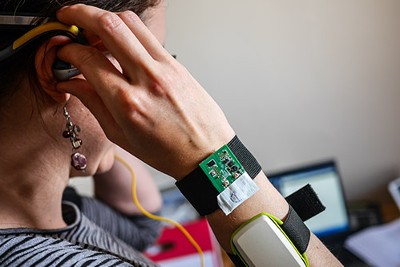
During clinical trials, researchers at the University of Bristol will measure symptoms of Parkinson’s Disease, such as mobility-related activities of daily living, to determine the effectivity of a new drug or treatment.
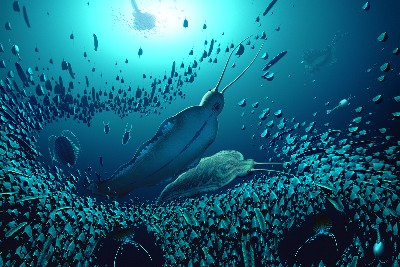
Fossils of a new group of animal predators have been located in the Early Cambrian Sirius Passet fossil locality in North Greenland. These large worms may be some of the earliest carnivorous animals to have colonised the water column more than 518 million years ago, revealing a past dynasty of predators that scientists didn’t know existed.
Two academics at the University of Bristol, clinical scientist, Professor John Iredale, and historian, Professor Ronald Hutton, alumnus Gregory Doran, alumnus and member of staff Sandy Mitchell, and former member of staff, Dr Teame Mebrahtu have been recognised for their significant achievements in this year's King's New Year Honours list.
Three University of Bristol projects have secured prestigious contracts worth circa £3.5m with United Kingdom Atomic Energy Authority to develop lithium technology for fusion energy.
Mark Birkinshaw, a distinguished Professor of Cosmology and Astrophysics in the School of Physics, died in July. His colleagues and friends Professor Belinda Wilkes and Emeritus Professor Steven Phillipps share their memories of Mark and recall his significant contributions to the field.
More than 1,400 hours of footage capturing humans performing tasks simultaneously from their point of view and externally, will help give AI models an understanding of how humans carry out activities.
A student with narcolepsy will need to nap several times as he and five friends take on an epic 70km (43.5mile) run.
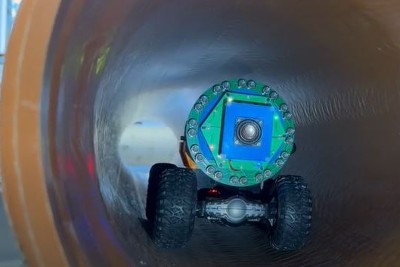
An inspection design method and procedure by which mobile robots can inspect large pipe structures has been demonstrated with the successful inspection of multiple defects on a three-meter long steel pipe using guided acoustic wave sensors.
Two University of Bristol academics have been awarded prestigious European Research Council (ERC) Consolidator Grants to continue their pioneering research.
A team of University of Bristol experts are poised to join the 2023 United Nations Climate Change Conference, which will hold the world to account in addressing humanity’s most urgent and ambitious challenge.
A University of Bristol student who undertook an immense challenge of running three marathons in three consecutive days, despite never running a single marathon before, has raised a staggering £7,500 for charity.
Quantum scientists have discovered a rare phenomenon that could hold the key to creating a ‘perfect switch’ in quantum devices which flips between being an insulator and superconductor.
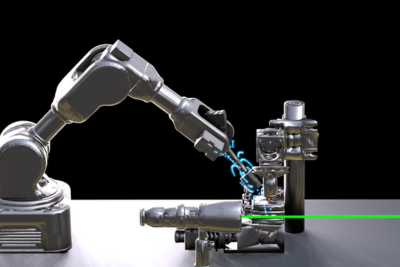
Scientists carrying out quantum research will be able to do so faster and more adaptably, thanks to a new robotic arm which could hold the key to major breakthroughs.
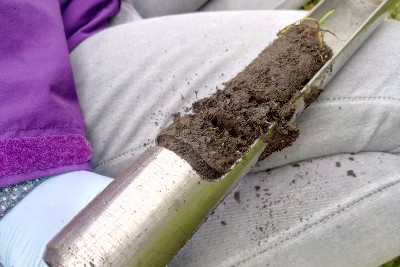
Human impacted soils tend to harbour different microbial communities to those areas less affected by human activities, a team of researchers working with Bristol school children have found.
Professor Sir Eric Thomas FMedSci, former Vice-Chancellor and President of the University of Bristol, sadly passed away on Friday 10 November 2023 aged 70 following a short battle with cancer. He was Bristol's 12th Vice-Chancellor, and led the University for 14 years between 2001 and 2015 during a period of significant change in higher education.
New research reveals millions of people around the world living in poverty have been experiencing a ‘climate hazard flip’ since the turn of the century.
A CT scan of an often-overlooked, plant-eating dinosaur’s skull has revealed that it had a unique combination of traits associated with living animals that spend at least part of their time underground, including a super sense of smell and outstanding balance. The work is the first to link a specific sensory fingerprint with this behaviour in extinct dinosaurs.
Young entrepreneurs who invented a portable menstrual cup cleaner while at the University of Bristol have won a Royal Academy of Engineering competition.
Details of a £225m investment from the Government to create the UK's fastest supercomputer at the University of Bristol have been announced today [1 November 2023].
The University of Bristol has further bolstered its place as a leading centre for artificial intelligence research after being awarded funding to invest in a new Centre for Doctoral Training (CDT) in Artificial Intelligence.
Acclaimed versifier, activist and educator Dr Lawrence Hoo is poised to present a compelling poem calling on people across the city and beyond to embark on a journey of “fairness and respect” to tackle systemic discrimination, advance social justice, and recognise Africa as a leading knowledge powerhouse.
University of Bristol alumnus James Peters has been selected for the 2024 Olympic Games, realising a dream that has been nearly two decades in the making.
Researchers have detected for the first time evidence of quartz nanocrystals in the high-altitude clouds of WASP-17 b, a hot Jupiter exoplanet 1,300 light-years from Earth.
A chance social media post by an eagle-eyed amateur astronomer sparked the discovery of an explosive collision between two giant planets, which crashed into each other in a distant space system 1,800 light years away from planet Earth.
The hunt for the world’s most ancient mammals descended into academic warfare in the seventies, researchers from the University of Bristol have discovered.
Metro Mayor for the West of England Dan Norris visited the University of Bristol and met with experts looking to harness space as a key to net zero.
Researchers have conducted trials using a software capable of detecting intricate details of emotions that remain hidden to the human eye.
A device has been created that could carry out Clinical Breast Examinations (CBE).
A new technology to check wind turbines has helped the University of Bristol turn in excellent green credentials for a national assessment.
Patterns of chemical interactions are thought to create patterns in nature such as stripes and spots. This new study shows that the mathematical basis of these patterns also governs how the sperm tail moves.
Professor Neil Hyatt, an internationally-renowned leader in the field of radioactive waste management, is set to begin a three-year role at the University of Bristol.
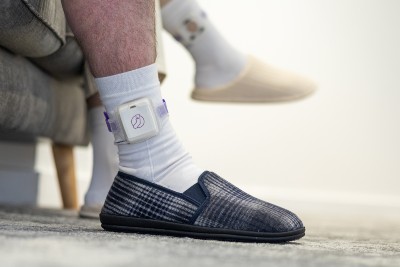
Over 500 investors have pledged to back an inventor’s SmartSocks – a technology that could transform care for people with dementia and non-verbal autism.
A new study shows unprecedented heat is likely to lead to the next mass extinction since the dinosaurs died out, eliminating nearly all mammals in some 250 million years time.
Visiting Professor David Quarton, a leading figure in the wind energy industry, has joined the Royal Academy of Engineering as a Fellow.
Multi-storey buildings are assembled over cautiously to withstand wind strengths, researchers have found.
A pioneering study has shed new light on North African humid periods that have occurred over the past 800,000 years and explains why the Sahara Desert was periodically green.
The University of Bristol has been chosen to host a new national supercomputer research facility, focused on artificial intelligence (AI), the government announced today.
Researchers at the University of Bristol are calling for participants to take part in a new survey designed to expose areas of racial injustices in national funding award practices.
A Technology Innovation Partnership for Net Zero Aviation in the South West has been launched. Focused on delivering transformational innovation to advance net zero flight, the founding partners are the Universities of Bristol and Bath, the National Composites Centre (NCC) and the advanced propulsion R&I centre IAAPS. The partnership will create a significant national capability that combined far exceeds working independently.
A new study has uncovered intriguing insights into the evolution of plant biology, effectively rewriting the history of how they evolved over the past billion years.
Their lengthy necks, used for chasing fast-moving fishes, developed quickly over a five million period around 250 million years ago.
Researchers from across the GW4 Alliance of Bristol, Bath, Cardiff and Exeter universities will work with industry, community groups and local authorities to transform existing housing into ‘Beyond Net Zero’ liveable homes as part of the Green Transition Ecosystem awards.
A Neptune-sized planet denser than steel has been discovered by an international team of astronomers, who believe its composition could be the result of a giant planetary clash.
A University of Bristol researcher has received a portion of £1.4 million reserved for boosting UK infrastructure protections against global warming.
An innovative bimanual robot displays tactile sensitivity close to human-level dexterity using AI to inform its actions.
A pioneering quantum computing company co-founded by academics from University College London (UCL) and the University of Bristol has landed more than £13m in funding to develop its revolutionary technology.
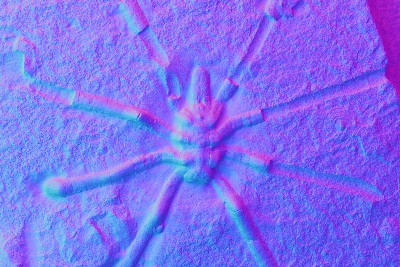
An extremely rare collection of 160-million-year-old sea spider fossils from Southern France are closely related to living species, unlike older fossils of their kind.
Financial services are an essential part of our everyday lives – from making payments, to borrowing money, taking out insurance, saving for the future and getting financial advice.
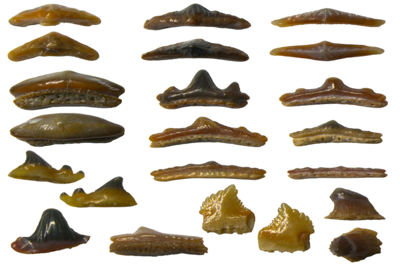
A remarkable new fossil from China reveals for the first time that a group of reptiles were already using whale-like filter feeding 250 million years ago.
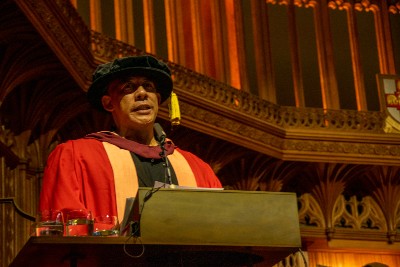
The atmosphere was out of this world as a NASA astronaut returned to her old university to receive an honorary doctorate.


















































 (2).jpg)
.jpg)


.png)
.png)







.jpg)





.jpg)


.jpg)






 (2).jpg)



















 (1).jpg)


.jpg)
.jpg)


.jpg)










.png)